


OBG and Paediatrics are among the most demanding, dynamic, and fast-growing medical specialities essential for health and well-being across the life course. BAPIO, the British Association of Physicians of Indian Origin, established in 1996, is a voluntary organisation for doctors of subcontinent origin to advance healthcare in the United Kingdom by providing training and professional development for healthcare providers to integrate into the UK’s NHS (National Health Service) to deliver sustainable and efficient healthcare solutions. The BTA (BAPIO Training Academy) offers training programmes for doctors in paediatrics and OBG, in collaboration with hospitals like Cloudnine Hospital, to pass UK Royal College exams, paving the way for UK practice and GMC registration. Here you will explore the course curriculum, duration and more.

The BAPIO course training is a structured postgraduate global medical training programme offered by the BAPIO Training Academy, UK, for doctors who want to pursue the MRCOG/ MRCPCH Sponsorship Programme in India. These are prestigious master's degrees offered by the Royal College of England and recognised in the UK and India. The programme's emphasis is on practical, speciality-specific learning within the context of a real NHS working environment. The key aspects of this course are:
%20.jpg)


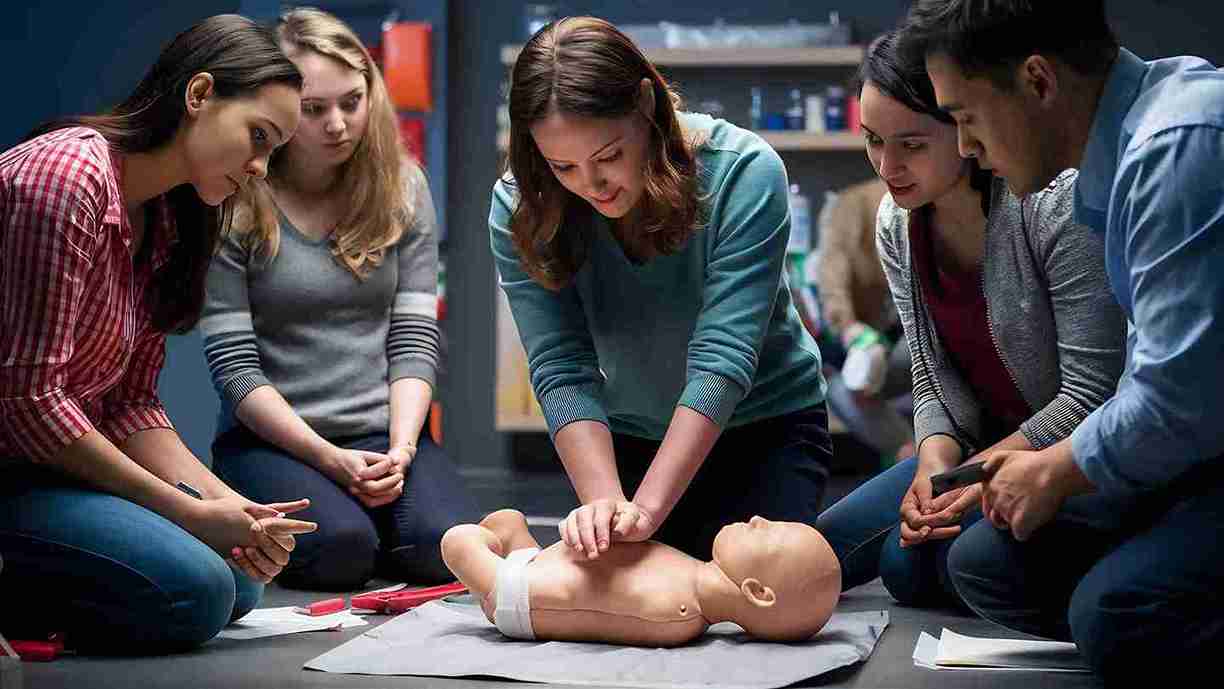
Speciality training is not only about exams. It is also about being ready for real clinical work. BAPIO courses at Cloudnine focus on practical learning and everyday NHS experience, helping doctors build confidence, improve skills, and prepare for the next steps in their career.
For OBG and Paediatric doctors, this helps build confidence, improve clinical judgment, and give clarity in their careers. The course is most useful for those who want structured training before moving to UK clinical practice. Doctors should evaluate their career goals and determine whether this training fits.

Yes. An MBBS is the main BAPIO course eligibility requirement.
No. There is no need for NEET PG to join BAPIO Courses.
The selection criteria for BAPIO depend on the specific programme and speciality. However, an MBBS/MD/MS/DNB is essential for BAPIO courses.
If you are looking to undertake the BAPIO UK medical training courses for doctors, you need an updated CV, Primary Medical Qualification and Medical Registration Certificate.





 Best Gynecologists in Bellandur Best Gynecologists in Electronic City Best Gynecologists in HRBR LayoutBest Gynecologists in Jayanagar Best Gynecologists in Kanakapura RoadBest Gynecologists in Malleswaram Best Gynecologists in Nagarbhavi Best Gynecologists in Old Airport RoadBest Gynecologists in Sahakarnagar Best Gynecologists in Sarjapur RoadBest Gynecologists in ThanisandraBest Gynecologists in Varthur RoadBest Gynecologists in Whitefield Best Gynecologists in Industrial Area Phase IIBest Gynecologists in OMRBest Gynecologists in T NagarBest Gynecologists in New Industrial TownBest Gynecologists in IndirapuramBest Gynecologists in Golf Course RoadBest Gynecologists in Sector 14Best Gynecologists in Sector 47Best Gynecologists in Banjara HillsBest Gynecologists in GachibowliBest Gynecologists in Hitech CityBest Gynecologists in KompallyBest Gynecologists in Gomti NagarBest Gynecologists in MaladBest Gynecologists in NerulBest Gynecologists in VashiBest Gynecologists in Kailash ColonyBest Gynecologists in PatparganjBest Gynecologists in Punjabi BaghBest Gynecologists in VikaspuriBest Gynecologists in Gaur CityBest Gynecologists in Pari ChowkBest Gynecologists in Sector 51Best Gynecologists in Sector 5 Swastik ViharBest Gynecologists in Kalyani NagarBest Gynecologists in SB RoadBest Gynecologists in Pimple SaudagarBest Pediatricians in BellandurBest Pediatricians in Electronic CityBest Pediatricians in HRBR LayoutBest Pediatricians in JayanagarBest Pediatricians in Kanakapura RoadBest Pediatricians in MalleswaramBest Pediatricians in NagarbhaviBest Pediatricians in Old Airport RoadBest Pediatricians in SahakarnagarBest Pediatricians in Sarjapur RoadBest Pediatricians in ThanisandraBest Pediatricians in Varthur RoadBest Pediatricians in WhitefieldBest Pediatricians in Industrial Area Phase IIBest Pediatricians in OMRBest Pediatricians in T NagarBest Pediatricians in New Industrial TownshipBest Pediatricians in IndirapuramBest Pediatricians in Golf Course RoadBest Pediatricians in Sector 14Best Pediatricians in Sector 47Best Pediatricians in Hitech CityBest Pediatricians in Banjara HillsBest Pediatricians in GachibowliBest Pediatricians in KompallyBest Pediatricians in Gomti NagarBest Pediatricians in MaladBest Pediatricians in NerulBest Pediatricians in VashiBest Pediatricians in Kailash ColonyBest Pediatricians in PatparganjBest Pediatricians in Punjabi BaghBest Pediatricians in VikaspuriBest Pediatricians in Gaur CityBest Pediatricians in Pari ChowkBest Pediatricians in Sector 51Best Pediatricians in Sector 5 Swastik ViharBest Pediatricians in Kalyani NagarBest Pediatricians in SB RoadBest Pediatricians in Pimple Saudagar


