
If you experience throbbing or cramping pain during periods, then you are likely to suffer from a medical condition called Dysmenorrhoea, also called a painful period. Many women experience discomfort or pain during their periods, while nearly 15% of them suffer from severe menstrual cramps that interfere with their daily lives. It's normal to have some discomfort during your period, but severe, debilitating pain is not something you should ignore. The kind of period pain you get depends on its cause. Primary dysmenorrhoea is that "normal" period pain that isn't caused by a specific underlying medical issue. Secondary dysmenorrhoea, on the other hand, is pain that stems from an underlying reproductive organ disorder. Here, we explore natural remedies for milder discomfort and medical interventions for more severe and persistent pain during the menstrual cycle.
.jpg)
Dysmenorrhoea, or painful periods, is cramping pain caused by uterine contraction due to the shedding of the uterine lining during menstruation. Menstrual cramps usually start a few days before menstruation and may last 2-3 days after the start of the period. The common symptoms of dysmenorrhoea are headache and dizziness. There are two types of dysmenorrhoea based on their cause:
Primary Dysmenorrhoea: This is especially seen in young women; those in their teens and 20s suffer from this type of pain due to the release of prostaglandin, triggering muscle contraction during periods, leading to painful menstrual cramps that last only for a few days. Natural remedies are highly effective in managing it.
Secondary Dysmenorrhoea: This pain lasts longer and is mainly due to an underlying condition, including endometriosis, fibroids, pelvic inflammatory disease (PID), or cysts. This type of period pain is intense, worsening over time, thereby interfering with your daily activities, and you may require medical help.
It is possible to manage pain and symptoms of dysmenorrhoea by incorporating the following natural and lifestyle treatments:
● Heat Therapy: It is an effective natural therapy to ease menstrual pain. Placing heating pads or a hot water bottle on your lower abdomen or back can help relax uterine muscles, improve blood circulation, and ease cramps during periods.
● Physical Activities: Engaging in physical activities releases endorphins, a natural painkiller that significantly helps alleviate period pain. Engaging in low-impact exercises like walking or swimming improves blood circulation, which can ease pain. Gentle yoga poses relax pelvic muscles, thereby alleviating pain during menstruation.
● Healthy Diet: Include plenty of whole grains, fruits, veggies, healthy fats, and lean meats. Avoiding processed foods, caffeinated drinks, and excessive sugar can help reduce inflammation and bloating during your period. Eat foods rich in omega-3 fatty acids, known for their anti-inflammatory properties and magnesium-rich foods that relax your abdominal muscles.
● Hydration: Drink plenty of water to reduce bloating and ease cramps.
● Herbal Tea: Research suggests that drinking fennel tea can help soothe abdominal muscles during menstrual periods. Herbal teas containing ginger or turmeric reduce prostaglandin levels, easing period pain.
● Massage: Rubbing your lower abdomen improves blood circulation and relaxes the uterine muscles, easing pain.
● Management Techniques: Effective stress management strategies such as deep breathing, meditation, connecting with nature, practising mindfulness, engaging in relaxing activities, and sufficient rest play a crucial role in managing stress and reducing dysmenorrhea-related symptoms.
● Alternative Therapies: Acupressure and acupuncture therapies are also effective in reducing pain during periods.
Consult your doctor when you experience persistent pain during menstruation. Do not delay consultation if you are not getting any relief through home remedies, experience heavy bleeding, or a sudden and sharp throbbing pain.
Medical Treatments for Managing Pain and Treating Painful Periods
Medical treatments are highly effective in easing pain and treating painful periods.
● Medications: Over-the-counter pain relievers are a go-to option. Medicines like acetaminophen or non-steroidal anti-inflammatory drugs (NSAIDs) such as ibuprofen and naproxen work by blocking the production of prostaglandins, hormone-like substances that cause your uterus to cramp.
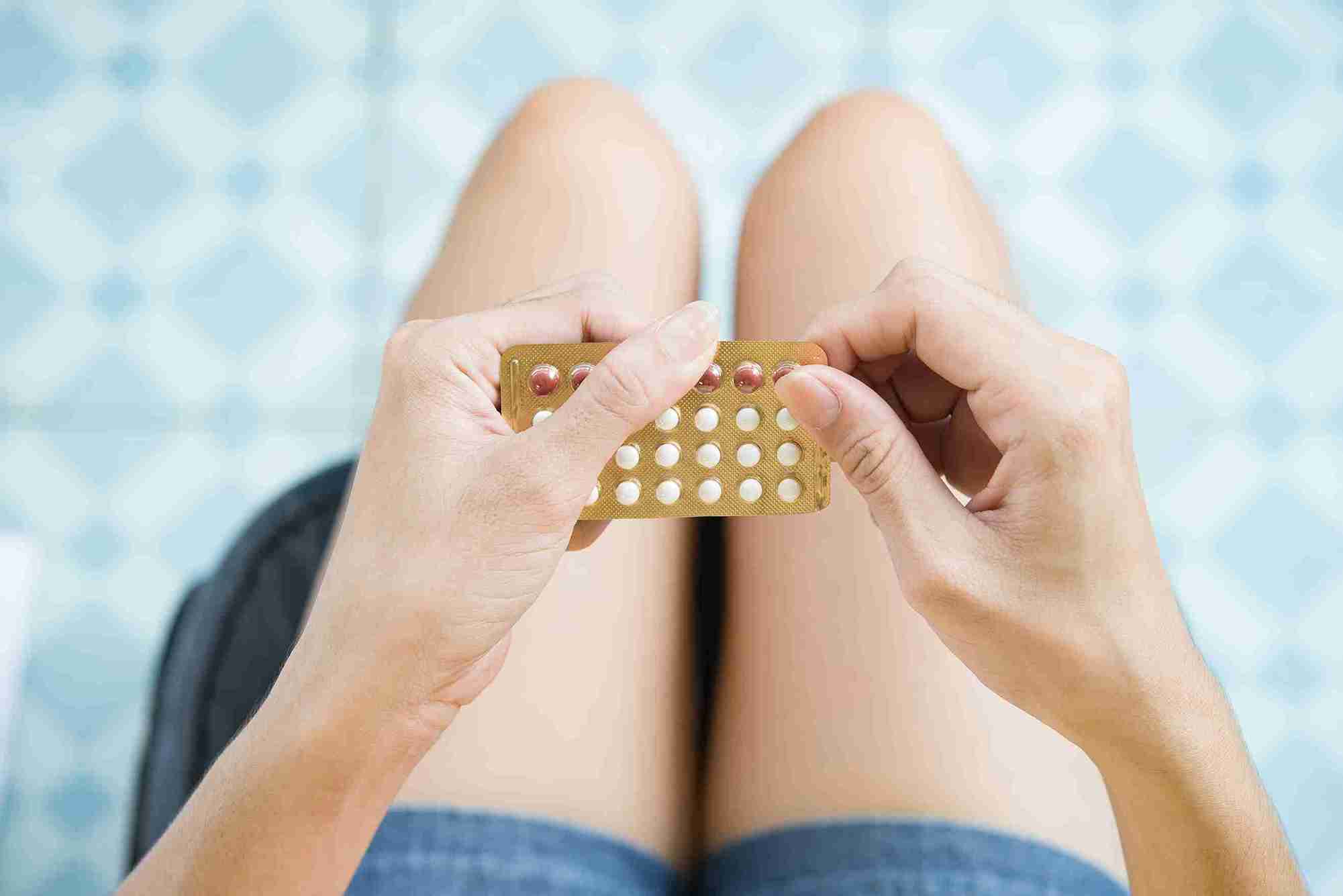
● Contraceptives: Hormonal birth control is another highly effective medical approach. Hormonal contraceptive pills or intrauterine devices (IUDs) can be recommended. These options can help reduce period pain.
● Combined oral contraceptives and progestin hormones are recommended in case of endometriosis to disrupt the growth of endometrial tissue.
● Laparoscopic surgery helps in cases of excessive endometrial growth and scar tissue.
● Uterine fibroids symptoms are managed through hormonal medications, whereas surgical procedures like myomectomy help in removing fibroids.
● In case of pelvic infections or PID, antibiotics are prescribed to treat the condition.

Although painful periods are common among women, it is essential to treat the condition, as it can affect their quality of life. Both natural and medical treatments serve as an integrated approach in managing and treating dysmenorrhoea. A medical professional can help you manage the condition based on its severity and underlying medical conditions.

Painful periods are caused mainly by uterine contractions, which are usually triggered by prostaglandins. As the uterus contracts, there is a lack of oxygen, which causes pain during menstruation. You may also suffer from a painful period due to an underlying medical condition.
Dietary choices can significantly affect the severity of menstrual cramps as they impact the functioning of prostaglandins, leading to inflammation and pain. Processed foods, sugar and caffeine can substantially increase menstrual cramps. Incorporating a nutritious and anti-inflammatory diet can help alleviate menstrual cramps by reducing prostaglandin production.
Yes, being involved in physical activities like yoga and exercise can help ease period pain. It significantly improves blood circulation and oxygen supply to the pelvic area, reducing muscle tension and spasm, easing cramps during the period.
Consult your doctor when you experience severe, persistent and unusual cramping pain during periods along with heavy bleeding. Debilitating pain that disrupts your daily activities or pain that does not ease with home remedies or over-the-counter medicines are symptoms of an underlying medical condition requiring timely medical intervention.







 Best Gynecologists in Bellandur Best Gynecologists in Electronic City Best Gynecologists in HRBR LayoutBest Gynecologists in Jayanagar Best Gynecologists in Kanakapura RoadBest Gynecologists in Malleswaram Best Gynecologists in Nagarbhavi Best Gynecologists in Old Airport RoadBest Gynecologists in Sahakarnagar Best Gynecologists in Sarjapur RoadBest Gynecologists in ThanisandraBest Gynecologists in Varthur RoadBest Gynecologists in Whitefield Best Gynecologists in Industrial Area Phase IIBest Gynecologists in OMRBest Gynecologists in T NagarBest Gynecologists in New Industrial TownBest Gynecologists in IndirapuramBest Gynecologists in Golf Course RoadBest Gynecologists in Sector 14Best Gynecologists in Sector 47Best Gynecologists in Banjara HillsBest Gynecologists in GachibowliBest Gynecologists in Hitech CityBest Gynecologists in KompallyBest Gynecologists in Gomti NagarBest Gynecologists in MaladBest Gynecologists in NerulBest Gynecologists in VashiBest Gynecologists in Kailash ColonyBest Gynecologists in PatparganjBest Gynecologists in Punjabi BaghBest Gynecologists in VikaspuriBest Gynecologists in Gaur CityBest Gynecologists in Pari ChowkBest Gynecologists in Sector 51Best Gynecologists in Sector 5 Swastik ViharBest Gynecologists in Kalyani NagarBest Gynecologists in SB RoadBest Gynecologists in Pimple SaudagarBest Pediatricians in BellandurBest Pediatricians in Electronic CityBest Pediatricians in HRBR LayoutBest Pediatricians in JayanagarBest Pediatricians in Kanakapura RoadBest Pediatricians in MalleswaramBest Pediatricians in NagarbhaviBest Pediatricians in Old Airport RoadBest Pediatricians in SahakarnagarBest Pediatricians in Sarjapur RoadBest Pediatricians in ThanisandraBest Pediatricians in Varthur RoadBest Pediatricians in WhitefieldBest Pediatricians in Industrial Area Phase IIBest Pediatricians in OMRBest Pediatricians in T NagarBest Pediatricians in New Industrial TownshipBest Pediatricians in IndirapuramBest Pediatricians in Golf Course RoadBest Pediatricians in Sector 14Best Pediatricians in Sector 47Best Pediatricians in Hitech CityBest Pediatricians in Banjara HillsBest Pediatricians in GachibowliBest Pediatricians in KompallyBest Pediatricians in Gomti NagarBest Pediatricians in MaladBest Pediatricians in NerulBest Pediatricians in VashiBest Pediatricians in Kailash ColonyBest Pediatricians in PatparganjBest Pediatricians in Punjabi BaghBest Pediatricians in VikaspuriBest Pediatricians in Gaur CityBest Pediatricians in Pari ChowkBest Pediatricians in Sector 51Best Pediatricians in Sector 5 Swastik ViharBest Pediatricians in Kalyani NagarBest Pediatricians in SB RoadBest Pediatricians in Pimple Saudagar


