


Most children love sugar in any form. Once exposed to sugary foods, children may reject foods without sugar. There is sugar in almost every food item children consume today, leading to various health issues as they grow. How can you reduce this sugar intake?
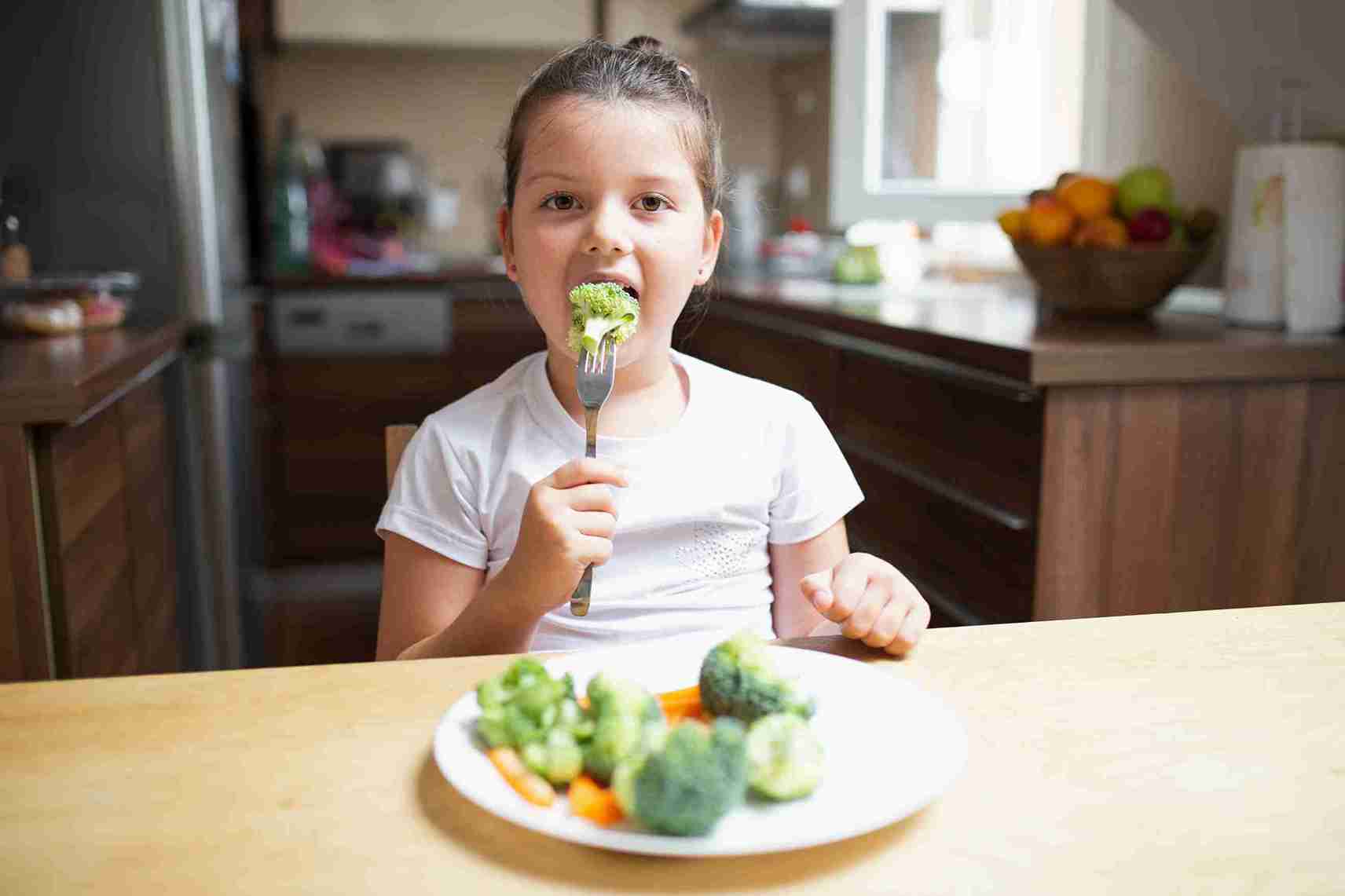
When it comes to sugar in your child’s diet, the natural sugars present in various foods are not the main concern. The real concern is added sugars, as they can have a greater negative impact on your child’s health.
Many foods, when processed, have extra sugars and syrups added to them to make them tastier and more appealing to all age groups. These may include brown sugar, corn syrup, honey, glucose, molasses, raw sugar, or sucrose.
Several studies suggest that kids are consuming more than twice the recommended daily intake of sugar. Most of these added sugars come from a variety of snacks and drinks children consume daily.
The general assumption is that diabetes affects people as they get older. So, why worry about how much sugar a child consumes? Don’t children use up all the sugar and energy in their daily activities? Why should parents try to reduce this sugar intake?
Consuming too much sugar regularly can lead to a build-up of harmful fat inside the child’s body. Since this is not visible to the eye and routine medical tests are not usually done to detect it early, the damage caused by sugar often goes unnoticed for a long time.
Regular consumption of excess sugar can lead to weight gain, type 2 diabetes, and heart disease. In some rare cases, it is believed to even cause certain types of cancers. Not to forget, a build-up of sugar can lead to tooth decay and various dental issues even in very young children.
If you are struggling to cut back on your child’s sugar consumption, here are a few tips you can try. Let’s split this into what parents can do and what they should avoid giving children.
What to Do
Get into the habit of reading the labels and ingredient lists of foods you buy for your children. Don’t go by the advertisement or the tagline claiming to be healthy options for kids. Check for added sugars or sugar alternatives. If your child will consume this item regularly, you can calculate the total sugars they may consume from this product alone.
Opt for homemade juices and milkshakes. Yes, it can be a lot of work, especially for parents who are already struggling to meet all their child’s needs and demands. When you make these drinks or snacks at home, you have control over how much sugar you add and what type of sweetener you add. You don’t have to worry about how accurate the information is or about hidden sugars.
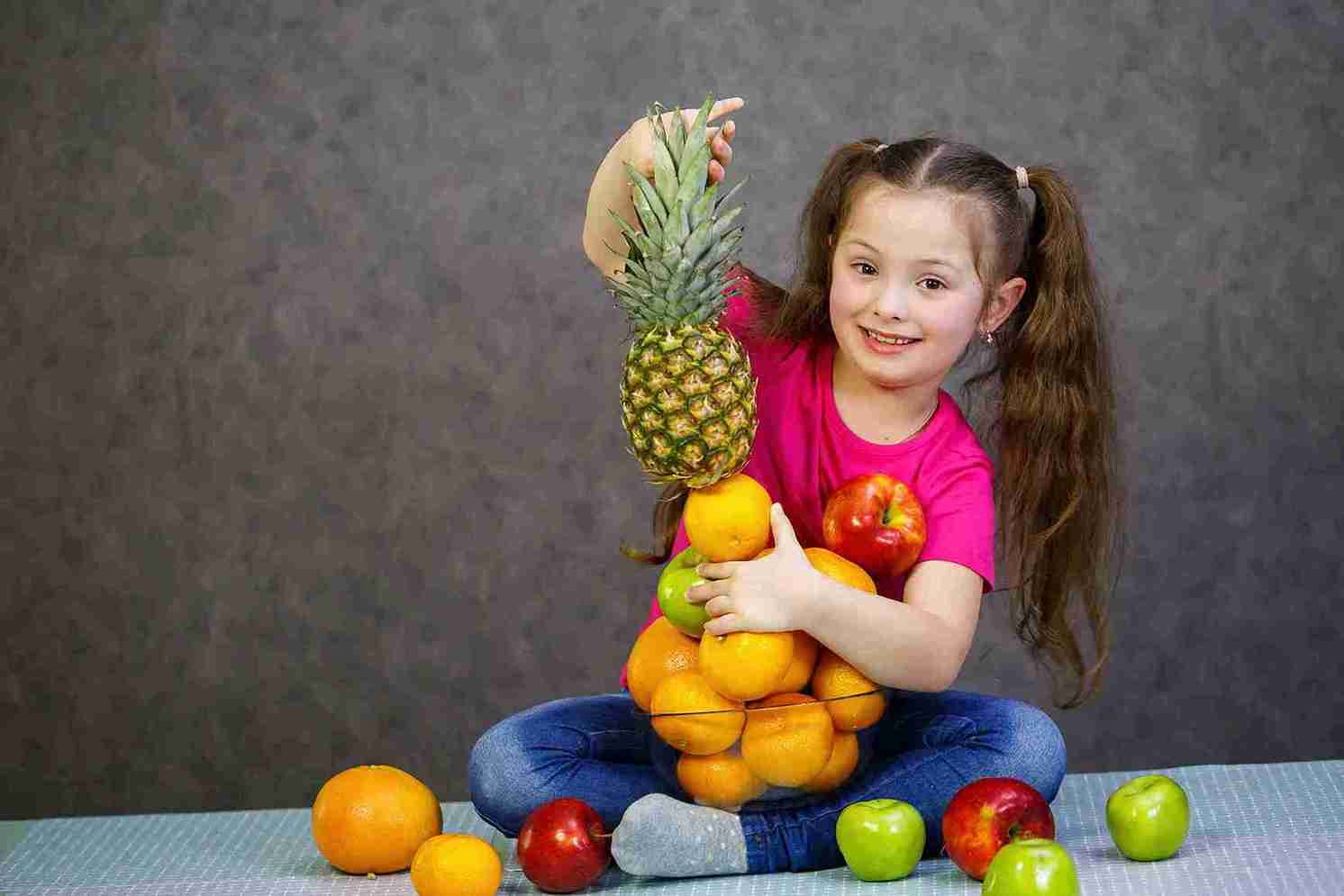
If your child is craving something sweet, you can always give them fruits. Choose two or three sweet fruits your child enjoys and give them whenever your child has cravings. If feasible, you can cut these fruits into different shapes to make them look appealing to children.
What to Avoid
Here are some common food items almost every child eats during their younger years. These items can become habit-forming and may not cross a parent’s mind as the culprit for the excess sugar the child is consuming.
Sodas are loaded with sugar and quickly become addictive for children and adults. Limit your child’s soda intake and refrain from letting them consume it regularly. Even sports drinks and flavoured teas have a lot of sugar in them. Encourage children to drink plain water instead.
It may be easier to add something to the milk and give your child. The market is rife with milk additives with very attractive packaging and advertisements. Every time you add something to your child’s milk, you are adding unnecessary sugar and reducing the health benefits milk has to offer. It is okay to let your child have some flavoured milk once in a while, but try to stick to plain milk as much as possible.
Reaching for a bottled fruit juice can be a convenient option to satisfy a child’s cravings. These packaged fruit juices have a lot of sugar and artificial flavours in them. They are not fresh fruit juices and so offer very little nutritional benefit compared to whole fruits.
A small piece of candy or chocolate as a reward for good behaviour or an achievement may seem very safe. Candies not only contain a lot of sugar but can also become very addictive. As children start expecting treats for every “good job” or good grades, the sugar consumption increases unnecessarily. Choose healthier ways to reward them instead.
Biscuits are a universal favourite snack for children. Parents find it very convenient to reach for a packet of biscuits when they are travelling or when they are in a store. Biscuits may not contain excess sugar like candies and chocolates, but they contain unhealthy fats and flour in addition to sugar. They are very addictive, spoil the child’s appetite, and thus interfere with their overall nutrition as well. Homemade biscuits with less sugar and healthier flours can be a good alternative to heavily processed biscuits sold in stores.

Completely cutting out sugar from a child’s diet is difficult, especially for school-going children who have exposure and access to a variety of sugar-loaded foods. Educating your child about the ill effects of added sugars can be an effective method to reduce sugar consumption.

It is not recommended to introduce added or artificial sugars to children under 2 years of age. For children between the ages of 2 and 18 years, limit sugar intake to 25 grams per day.
Excess consumption of sugar in children can lead to weight gain, obesity, type 2 diabetes, fatty liver, or heart disease. It can also negatively impact the immune system and increase the risk of dental issues and tooth decay.
Honey is not safe for children under 1 year old. For children over 1 year of age, honey can provide antioxidants. However, it is still sugar, and excess consumption of honey can still cause tooth decay, weight gain, similar to processed sugar.
Opt for fresh fruits over packaged juices; choose whole foods over processed or outside foods; give them plain milk instead of adding flavour additives. Give them water instead of soda and educate them on the side effects of excess sugar consumption. This can help them make informed choices and reduce sugar intake more mindfully.





 Best Gynecologists in Bellandur Best Gynecologists in Electronic City Best Gynecologists in HRBR LayoutBest Gynecologists in Jayanagar Best Gynecologists in Kanakapura RoadBest Gynecologists in Malleswaram Best Gynecologists in Nagarbhavi Best Gynecologists in Old Airport RoadBest Gynecologists in Sahakarnagar Best Gynecologists in Sarjapur RoadBest Gynecologists in ThanisandraBest Gynecologists in Varthur RoadBest Gynecologists in Whitefield Best Gynecologists in Industrial Area Phase IIBest Gynecologists in OMRBest Gynecologists in T NagarBest Gynecologists in New Industrial TownBest Gynecologists in IndirapuramBest Gynecologists in Golf Course RoadBest Gynecologists in Sector 14Best Gynecologists in Sector 47Best Gynecologists in Banjara HillsBest Gynecologists in GachibowliBest Gynecologists in Hitech CityBest Gynecologists in KompallyBest Gynecologists in Gomti NagarBest Gynecologists in MaladBest Gynecologists in NerulBest Gynecologists in VashiBest Gynecologists in Kailash ColonyBest Gynecologists in PatparganjBest Gynecologists in Punjabi BaghBest Gynecologists in VikaspuriBest Gynecologists in Gaur CityBest Gynecologists in Pari ChowkBest Gynecologists in Sector 51Best Gynecologists in Sector 5 Swastik ViharBest Gynecologists in Kalyani NagarBest Gynecologists in SB RoadBest Gynecologists in Pimple SaudagarBest Pediatricians in BellandurBest Pediatricians in Electronic CityBest Pediatricians in HRBR LayoutBest Pediatricians in JayanagarBest Pediatricians in Kanakapura RoadBest Pediatricians in MalleswaramBest Pediatricians in NagarbhaviBest Pediatricians in Old Airport RoadBest Pediatricians in SahakarnagarBest Pediatricians in Sarjapur RoadBest Pediatricians in ThanisandraBest Pediatricians in Varthur RoadBest Pediatricians in WhitefieldBest Pediatricians in Industrial Area Phase IIBest Pediatricians in OMRBest Pediatricians in T NagarBest Pediatricians in New Industrial TownshipBest Pediatricians in IndirapuramBest Pediatricians in Golf Course RoadBest Pediatricians in Sector 14Best Pediatricians in Sector 47Best Pediatricians in Hitech CityBest Pediatricians in Banjara HillsBest Pediatricians in GachibowliBest Pediatricians in KompallyBest Pediatricians in Gomti NagarBest Pediatricians in MaladBest Pediatricians in NerulBest Pediatricians in VashiBest Pediatricians in Kailash ColonyBest Pediatricians in PatparganjBest Pediatricians in Punjabi BaghBest Pediatricians in VikaspuriBest Pediatricians in Gaur CityBest Pediatricians in Pari ChowkBest Pediatricians in Sector 51Best Pediatricians in Sector 5 Swastik ViharBest Pediatricians in Kalyani NagarBest Pediatricians in SB RoadBest Pediatricians in Pimple Saudagar


