


High blood sugar during pregnancy is more common than many expectant women realise, and the good news is that such conditions are usually manageable. Some women develop gestational diabetes, which appears during pregnancy and often resolves after delivery, while others may enter pregnancy with pre-existing diabetes. In both of these cases, careful monitoring, dietary adjustments, and lifestyle changes play a crucial role in maintaining healthy blood sugar levels.
Learning how to lower blood sugar during pregnancy not only helps in keeping the mother healthy but also helps in ensuring the baby develops normally. Through this article, you will understand why blood sugar increases during pregnancy, methods of managing it naturally, diet changes, and when help should be required.
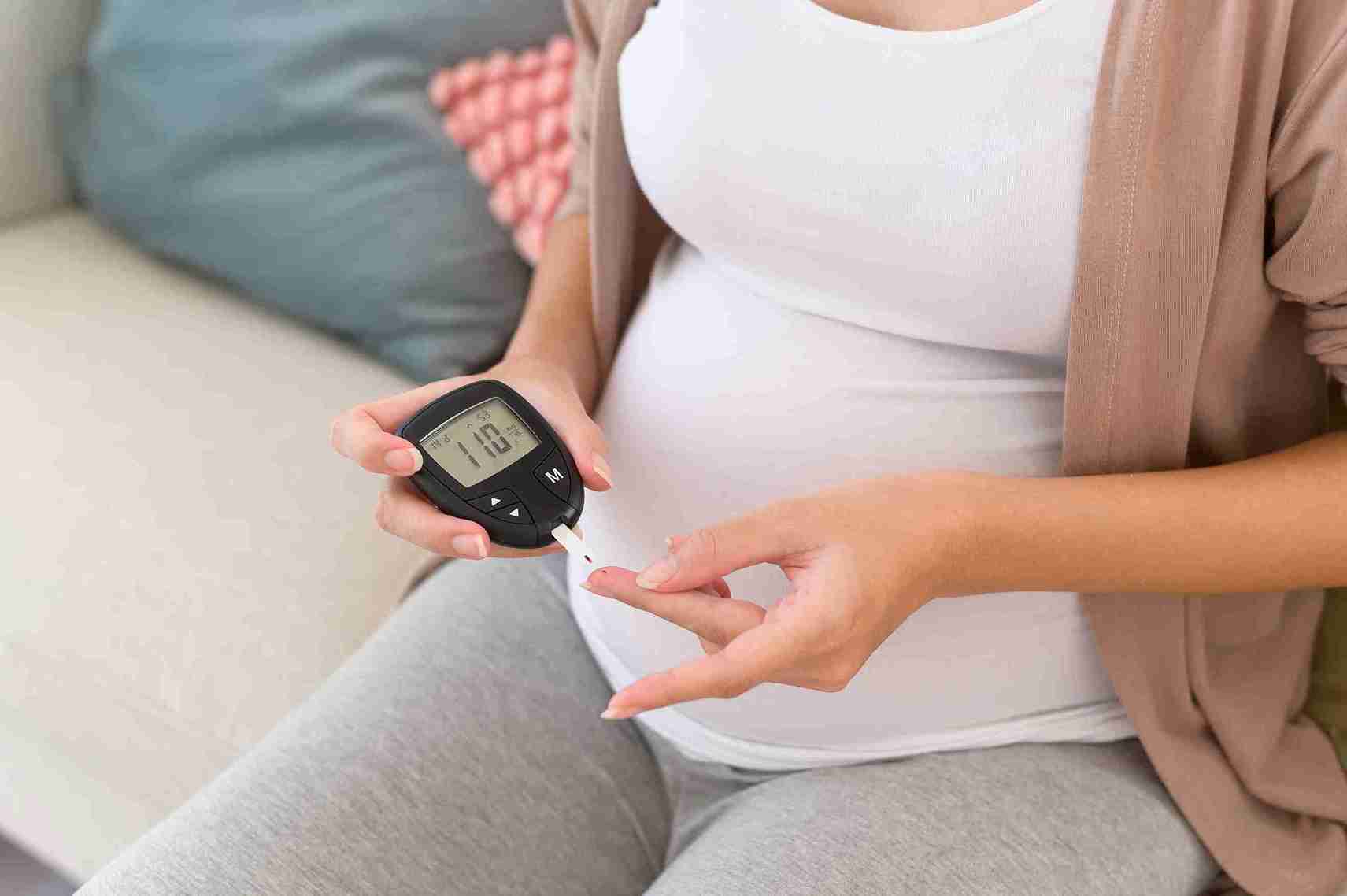
During pregnancy, the body undergoes many hormonal changes that affect insulin function. The placenta secretes many hormones that help the baby grow, but they also make the body resistant to insulin, a situation known as insulin resistance.
As pregnancy advances:
This is why blood sugar control becomes more challenging, especially in the second and third trimesters.
Learning how to control blood sugar levels in pregnancy supports both short-term comfort and long-term health.
Keeping your glucose levels healthy helps with:

A properly planned diet forms the backbone of blood sugar management. Knowing how to lower blood sugar while pregnant is first about selecting the right nutrition.
The key principles include:
Balanced meals can help prevent extreme rises and falls in the level of sugar in the blood.
Light exercise enhances insulin sensitivity and aids circulation. Safe options often include:
A structured meal plan makes daily choices easier. Below is a sample diet chart for diabetic pregnant lady, which can be personalised with a healthcare provider.

Some foods are known to help maintain a normal, steady level of glucose
These foods need to be incorporated into the diet to control the level of glucose better.
Restriction of certain foods can greatly help in managing:
Reading labels is important for controlling hidden sugars by choosing whole foods.
A consistent daily routine supports stable blood sugar.

Important steps involve:
Learning methods of how to control blood sugar levels in pregnancy is more about consistent habits than one-time changes.
How to Control Blood Sugar During Pregnancy: Fasting vs After Meals
Blood glucose levels vary throughout the day.
To regulate fasting sugar:
Awareness of how to manage blood sugar levels during pregnancy involves awareness of fasting as well as non-fasting indices.

Common pitfalls that can be avoided to enhance control include:
Small changes can result in big improvements.
Medical guidance is important if:
Professional assistance is a routine aspect of pregnancy care that enables safety and confidence.
Cloudnine delivers comprehensive, evidence-backed pregnancy care, emphasising education, early identification, and personalised treatment. Backed by seasoned obstetricians, endocrinologists, nutrition specialists, and the necessary diagnostic services, Cloudnine ensures that patients receive holistic treatment for concerns related to high or low sugar levels during pregnancy. All treatment approaches are tailored to the unique needs of each pregnant woman. Through regular assessments, expert guidance, and personalised care plans, Cloudnine ensures women feel supported, informed, and confident throughout their pregnancy.

Maintaining blood sugar levels during pregnancy is possible and effective when done the right way. With the right eating habits, physical activity, monitoring, and medical assistance if required, most women can keep their blood sugar levels in check throughout pregnancy. Cloudnine closely monitors every stage of a woman’s pregnancy journey, ensuring that both major and minor concerns are identified and addressed with care.

It is advised to opt for high fibre vegetables, lean protein, whole grains, and to avoid sugary foods.
It may raise the need for monitoring or management, though it is usually easily managed.
High levels may influence growth. This is why control of blood sugar levels is essential.
Yes. With proper medical care, regular blood sugar monitoring, and a well-managed diet and lifestyle, most women with diabetes go on to have healthy pregnancies and healthy babies.





 Best Gynecologists in Bellandur Best Gynecologists in Electronic City Best Gynecologists in HRBR LayoutBest Gynecologists in Jayanagar Best Gynecologists in Kanakapura RoadBest Gynecologists in Malleswaram Best Gynecologists in Nagarbhavi Best Gynecologists in Old Airport RoadBest Gynecologists in Sahakarnagar Best Gynecologists in Sarjapur RoadBest Gynecologists in ThanisandraBest Gynecologists in Varthur RoadBest Gynecologists in Whitefield Best Gynecologists in Industrial Area Phase IIBest Gynecologists in OMRBest Gynecologists in T NagarBest Gynecologists in New Industrial TownBest Gynecologists in IndirapuramBest Gynecologists in Golf Course RoadBest Gynecologists in Sector 14Best Gynecologists in Sector 47Best Gynecologists in Banjara HillsBest Gynecologists in GachibowliBest Gynecologists in Hitech CityBest Gynecologists in KompallyBest Gynecologists in Gomti NagarBest Gynecologists in MaladBest Gynecologists in NerulBest Gynecologists in VashiBest Gynecologists in Kailash ColonyBest Gynecologists in PatparganjBest Gynecologists in Punjabi BaghBest Gynecologists in VikaspuriBest Gynecologists in Gaur CityBest Gynecologists in Pari ChowkBest Gynecologists in Sector 51Best Gynecologists in Sector 5 Swastik ViharBest Gynecologists in Kalyani NagarBest Gynecologists in SB RoadBest Gynecologists in Pimple SaudagarBest Pediatricians in BellandurBest Pediatricians in Electronic CityBest Pediatricians in HRBR LayoutBest Pediatricians in JayanagarBest Pediatricians in Kanakapura RoadBest Pediatricians in MalleswaramBest Pediatricians in NagarbhaviBest Pediatricians in Old Airport RoadBest Pediatricians in SahakarnagarBest Pediatricians in Sarjapur RoadBest Pediatricians in ThanisandraBest Pediatricians in Varthur RoadBest Pediatricians in WhitefieldBest Pediatricians in Industrial Area Phase IIBest Pediatricians in OMRBest Pediatricians in T NagarBest Pediatricians in New Industrial TownshipBest Pediatricians in IndirapuramBest Pediatricians in Golf Course RoadBest Pediatricians in Sector 14Best Pediatricians in Sector 47Best Pediatricians in Hitech CityBest Pediatricians in Banjara HillsBest Pediatricians in GachibowliBest Pediatricians in KompallyBest Pediatricians in Gomti NagarBest Pediatricians in MaladBest Pediatricians in NerulBest Pediatricians in VashiBest Pediatricians in Kailash ColonyBest Pediatricians in PatparganjBest Pediatricians in Punjabi BaghBest Pediatricians in VikaspuriBest Pediatricians in Gaur CityBest Pediatricians in Pari ChowkBest Pediatricians in Sector 51Best Pediatricians in Sector 5 Swastik ViharBest Pediatricians in Kalyani NagarBest Pediatricians in SB RoadBest Pediatricians in Pimple Saudagar


