





If you have Polycystic Ovarian Disease, aka PCOD, and are being told that diet is an important factor in managing it, then we have good news. It’s true. Diet does play a key role in managing PCOD. But here’s the thing. Only managing what you eat alone won’t cut it. You need to combine a low glycemic diet for PCOD with regular exercise, strength training if possible and other lifestyle changes. This diet focuses on foods that do not cause your blood sugar to spike, helping you manage the hormonal imbalance and metabolic issues that come with PCOD.
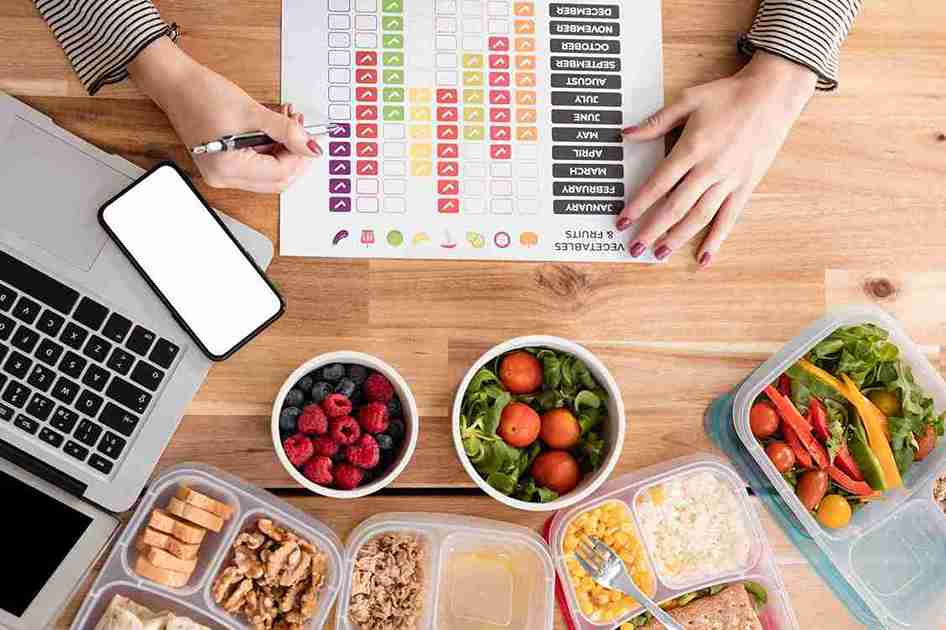
The glycaemic index (GI) ranks foods that contain carbohydrates on a scale from 0 to 100 based on how they affect your blood sugar. Some foods make you ‘spike’ or get high very fast, while others keep your energy more stable.
Largely, foods fall into three groups:
● Low GI: 1 to 55
● Medium GI: 56 to 69
● High GI: 70 and higher
Low GI foods take longer to digest, so your blood sugar rises gently and stays steady for longer.
Insulin resistance sits at the centre of PCOD for many women and can be seen in irregular periods, acne, extra facial and body hair, and fat collecting around the abdomen. More than half of women with PCOD are likely to develop type 2 diabetes by their 40s, so looking after blood sugar early really matters.
For PCOD, low GI foods can work wonders. If you happen to eat high-GI foods like white bread or even sweets, your blood sugar climbs quickly and then drops just as fast. A diet built around low GI foods can improve blood sugar levels and make your body more sensitive to insulin again. When blood sugar rises more gradually, your body needs less insulin, which gives your body a chance to respond properly. In the long run, it also helps settle hormone levels.
For PCOS, low glycaemic index eating patterns tend to support hormone balance. When blood sugar and insulin levels stay more stable, it can ease symptoms like acne, unwanted hair growth, and irregular periods.
Foods that have more fibre and a low GI tend to keep you full for longer. In the long run, being consistent with dietary changes and exercise would ideally lead to weight loss. Even a weight loss of about 10% of your body weight can make periods more regular and reduce PCOD symptoms. Low GI choices give steady energy and make it easier to handle cravings.
Changing to a low-GI way of eating, along with other lifestyle steps, can lower your chances of developing type 2 diabetes, heart disease, high blood pressure, sleep apnoea, anxiety, and depression. Because women with PCOD are more likely to face these issues, food choices become a powerful tool.

Vegetables, especially those with higher fibre content, tend to support digestion. This keeps blood sugar steady and gives you important vitamins and minerals.
● Green leafy vegetables (spinach, broccoli)
● Raw carrots
● Bell peppers
● Other non-starchy vegetables
Fruits add natural sweetness along with fibre, which slows how quickly sugar enters your blood. Keep in mind, though, that not all fruits have a low-GI. Here are a few that do:
● Apples
● Berries (strawberries, blueberries)
● Cherries
● Pears
Legumes tend to have protein and slow-digesting carbohydrates, which help keep blood sugar more stable.
● Kidney beans
● Chickpeas
● Lentils
● All types of dals
Whole grains give longer-lasting energy than refined grains and contain fibre that slows digestion.
● Oat breakfast cereals
● Multigrain bread
● Whole grain wheat
● Brown rice
Protein helps you feel full faster and supports muscle mass, which is useful when you are trying to lose weight or maintain it.
● Fish
● Poultry
● Eggs
● Lean meats
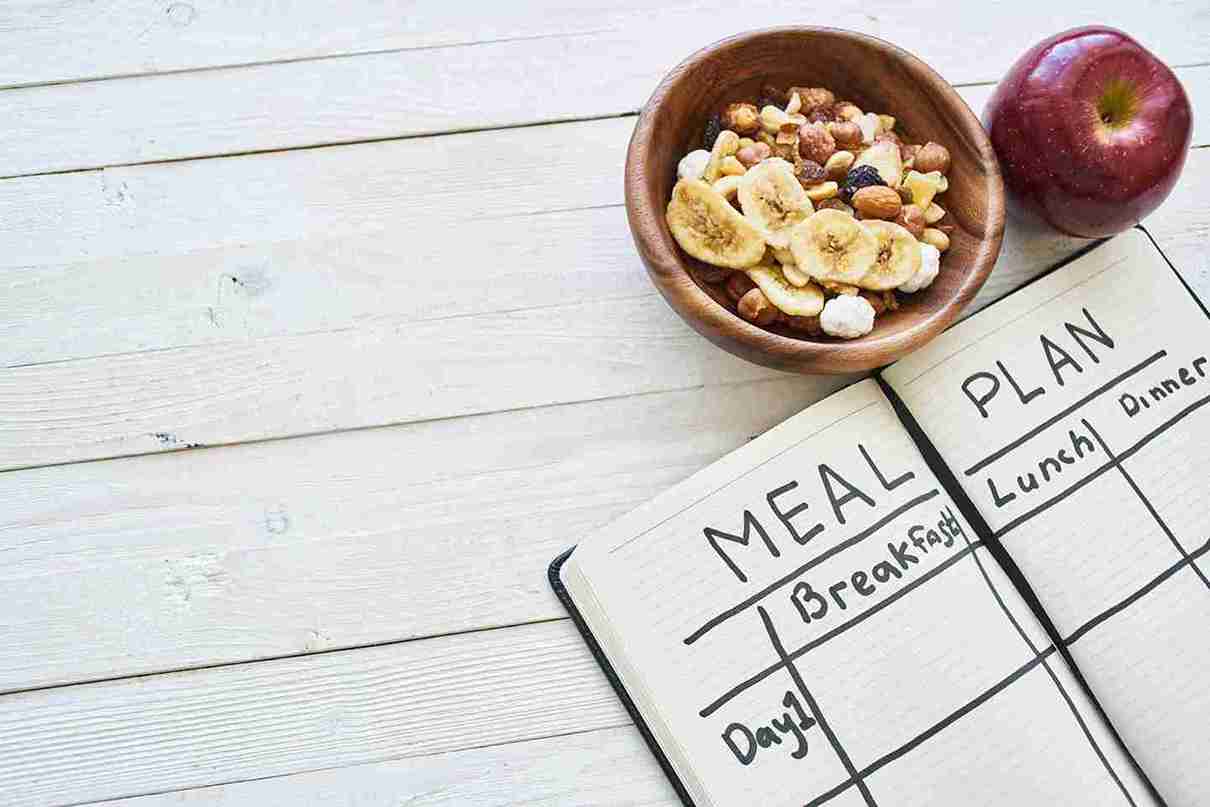
Healthy fats calm inflammation, support hormone production, and help meals feel more satisfying.
● Avocados
● Nuts (almonds, walnuts)
● Olive oil
● Canola oil
Try to limit these foods because they tend to cause sharp spikes in blood sugar and often add very little from a nutritional perspective:
● White rice
● White bread
● White potatoes
● Carbonated drinks and packaged juices
● Highly processed snacks and fast food
● Biscuits and sweets
The best foods for PCOD are simple, real foods rather than heavily packaged products. When you include carbohydrates in a meal, add some protein and healthy fat so that sugar enters the blood more slowly. Eating meals and snacks at regular times also helps your body maintain consistent insulin levels.
Fibre-rich foods slow digestion, so glucose moves into your blood bit by bit instead of all at once. It basically helps your body use insulin properly.

Managing PCOD through food is about making smart choices and sticking to them as often as possible. A regular low-GI eating pattern can make a real difference in energy levels, weight, and regular period cycles, especially when you pair it with regular movement, quality sleep, and stress control.
Over time, this way of eating can lower your chances of developing diabetes, heart disease, and high blood pressure, while helping you feel more in control of day-to-day PCOD symptoms. Diet alone does not cure PCOD, but it gives you a strong base to support treatment and lifestyle changes. A dietician or nutritionist can help you turn these ideas into a plan that fits your routine, taste and budget.

A low glycaemic diet focuses on foods ranking 1 to 55 on the GI scale that have a gentler effect on blood sugar. It helps PCOD by preventing sharp rises in insulin and supporting better hormone balance.
High blood sugar makes the pancreas release extra insulin, which can raise testosterone levels and worsen symptoms like irregular periods and acne. Women with PCOD are also more likely to develop type 2 diabetes over time.
Helpful choices include green leafy vegetables, legumes such as kidney beans and chickpeas, fruits like apples and berries, whole grains, lean proteins, and healthy fats from nuts, seeds, and avocados.
Low GI foods digest slowly, so blood sugar rises more gently and the body needs less insulin. With time, cells can respond to insulin more effectively, which supports better metabolic health in PCOD.


 Best Gynecologists in Bellandur Best Gynecologists in Electronic City Best Gynecologists in HRBR LayoutBest Gynecologists in Jayanagar Best Gynecologists in Kanakapura RoadBest Gynecologists in Malleswaram Best Gynecologists in Nagarbhavi Best Gynecologists in Old Airport RoadBest Gynecologists in Sahakarnagar Best Gynecologists in Sarjapur RoadBest Gynecologists in ThanisandraBest Gynecologists in Varthur RoadBest Gynecologists in Whitefield Best Gynecologists in Industrial Area Phase IIBest Gynecologists in OMRBest Gynecologists in T NagarBest Gynecologists in New Industrial TownBest Gynecologists in IndirapuramBest Gynecologists in Golf Course RoadBest Gynecologists in Sector 14Best Gynecologists in Sector 47Best Gynecologists in Banjara HillsBest Gynecologists in GachibowliBest Gynecologists in Hitech CityBest Gynecologists in KompallyBest Gynecologists in Gomti NagarBest Gynecologists in MaladBest Gynecologists in NerulBest Gynecologists in VashiBest Gynecologists in Kailash ColonyBest Gynecologists in PatparganjBest Gynecologists in Punjabi BaghBest Gynecologists in VikaspuriBest Gynecologists in Gaur CityBest Gynecologists in Pari ChowkBest Gynecologists in Sector 51Best Gynecologists in Sector 5 Swastik ViharBest Gynecologists in Kalyani NagarBest Gynecologists in SB RoadBest Gynecologists in Pimple SaudagarBest Pediatricians in BellandurBest Pediatricians in Electronic CityBest Pediatricians in HRBR LayoutBest Pediatricians in JayanagarBest Pediatricians in Kanakapura RoadBest Pediatricians in MalleswaramBest Pediatricians in NagarbhaviBest Pediatricians in Old Airport RoadBest Pediatricians in SahakarnagarBest Pediatricians in Sarjapur RoadBest Pediatricians in ThanisandraBest Pediatricians in Varthur RoadBest Pediatricians in WhitefieldBest Pediatricians in Industrial Area Phase IIBest Pediatricians in OMRBest Pediatricians in T NagarBest Pediatricians in New Industrial TownshipBest Pediatricians in IndirapuramBest Pediatricians in Golf Course RoadBest Pediatricians in Sector 14Best Pediatricians in Sector 47Best Pediatricians in Hitech CityBest Pediatricians in Banjara HillsBest Pediatricians in GachibowliBest Pediatricians in KompallyBest Pediatricians in Gomti NagarBest Pediatricians in MaladBest Pediatricians in NerulBest Pediatricians in VashiBest Pediatricians in Kailash ColonyBest Pediatricians in PatparganjBest Pediatricians in Punjabi BaghBest Pediatricians in VikaspuriBest Pediatricians in Gaur CityBest Pediatricians in Pari ChowkBest Pediatricians in Sector 51Best Pediatricians in Sector 5 Swastik ViharBest Pediatricians in Kalyani NagarBest Pediatricians in SB RoadBest Pediatricians in Pimple Saudagar


