





Throughout the pregnancy, the baby keeps moving around inside the tummy. As the baby grows, the space to move around decreases, so the movements will also decrease. Up until the last month of pregnancy, the baby will have enough room to twist, turn, and roll. In some pregnancies, these movements can lead to a true knot.

Knots in the umbilical cord are very common, and most women will not even know they are there until the doctor spots them on an ultrasound. In some cases, the knot may be discovered only during the delivery. Most of the time, these knots are small and will unknot on their own.
A true knot of the umbilical cord occurs when the knot becomes tight and affects the flow of oxygen and nutrients to the baby. A true knot is a very rare complication in pregnancy, but most babies are born healthy despite this complication.
No, true knots in pregnancy are very rare. The umbilical cord is covered in a substance called Wharton’s jelly, which prevents the small knots from becoming too tight. The knots usually come off on their own. In very rare cases, this knot can become so tight as to form a true knot.
The exact cause of such true knots, the factors that increase risk, or the steps that can decrease risk are all unknown. The fetus is constantly moving around throughout the pregnancy. The umbilical cord is very long and joins the fetus to the mother. Owing to the length of the umbilical cord and the space in the uterus, the baby can move around a lot, leading to multiple knots. However, most of these knots come off on their own, without causing any complications.

The exact cause of true knots in the umbilical cord is unclear, so determining risk factors is challenging. According to some sources, the knots that form during pregnancy due to the baby’s movements can become tight due to the pressure during labour or delivery. Some doctors believe the following factors can increase the risk of such knots –
In most cases, the true knot does not cause any harm. The Wharton’s jelly protects the umbilical cord and prevents the knot from becoming too tight. However, if the knot becomes too tight, oxygen and blood flow to the placenta can be obstructed, leading to complications.
If the knot becomes too tight before the delivery, the baby may not get enough oxygen and nutrients, leading to the following complications –
In very rare cases, where the true knot or the symptoms are not identified in time, it can lead to a stillbirth if the oxygen supply to the baby is obstructed.
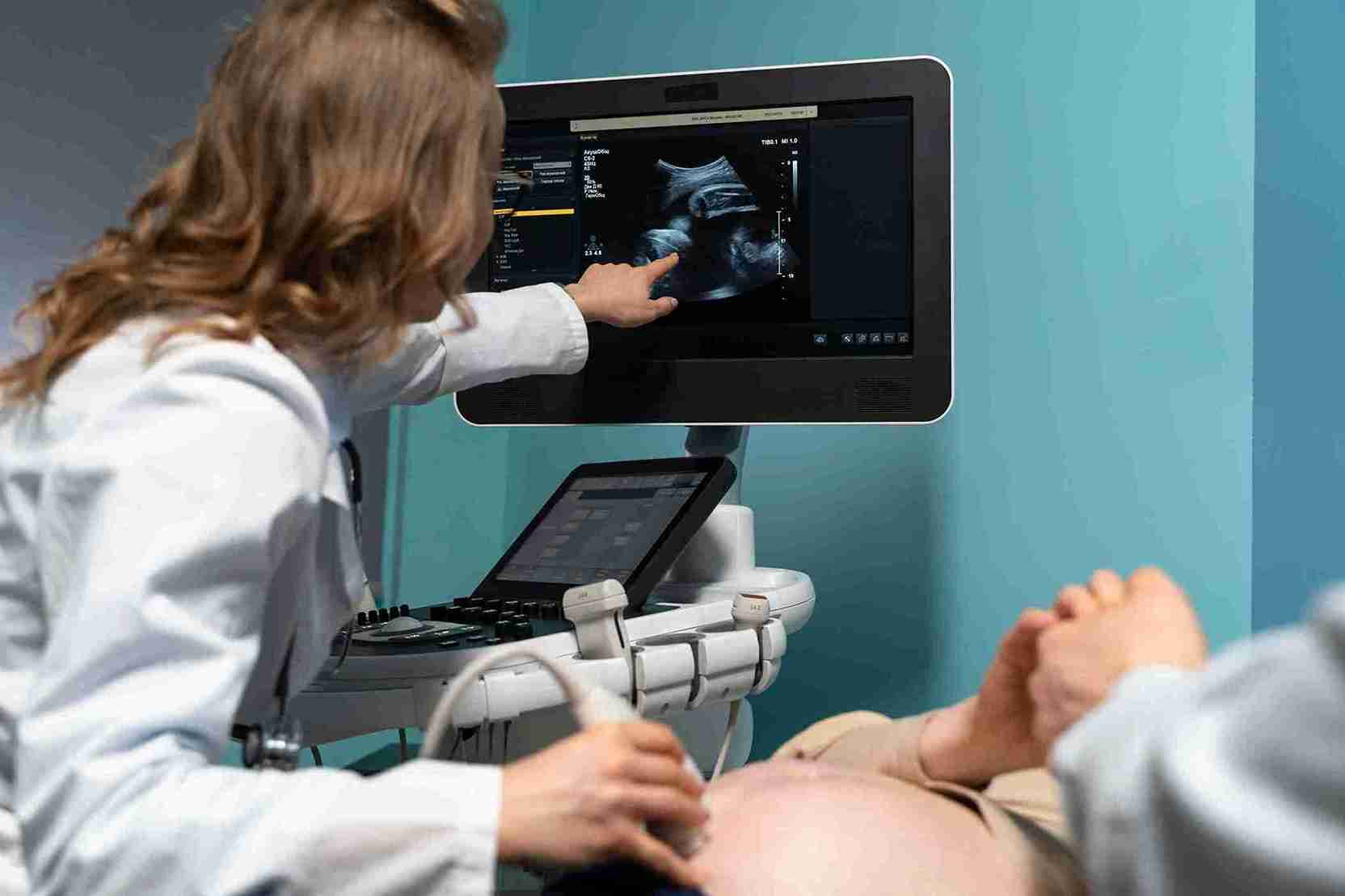
In the majority of cases, the true knot is not identified until the delivery. The doctor or midwife can notice the true knot just when the baby is being delivered, and it can lead to a sudden change in the baby’s heart rate, too. At such times, a quick decision by the health care provider is necessary.
For a routine ultrasound to detect a true knot is very rare, as the knot can be difficult to see on the screen. Till the delivery time, the baby keeps moving, and the umbilical cord will be twisted in various places. So spotting a knot is not easy.
A decrease in fetal movement or heart rate indicates a complication with the fetus, and a true knot can be a reason. This is why it is important to keep your doctor informed if you notice a decrease in fetal movements. The health care provider will perform an ultrasound and specifically look for a true knot among other possible causes of the change in movement.
In most cases, the existence of a true knot of the umbilical cord is not known until the baby is being delivered. If the true knot is noticed earlier, the healthcare provider cannot do anything to untie it. The only solution is close monitoring. Expectant parents should be briefed on the risks involved and what to watch for.
Additional ultrasounds, Doppler studies, and more frequent prenatal visits can help keep a close watch on the baby’s heart rate and movements.
A true knot of the umbilical cord during pregnancy is not common, but it is not unheard of either. It is a very rare occurrence and will mostly resolve on its own. Sometimes medical intervention is required if the knot is obstructing the oxygen flow to the baby. If the knot is discovered during delivery, a swift decision by the doctor is essential to ensure the baby’s safety.


A true knot is a complication in pregnancy where a knot in the umbilical cord becomes very tight. If not attended to immediately, it can affect the oxygen and nutrient flow to the baby, leading to serious complications, which can even turn fatal.
A true knot in the umbilical cord is a very rare complication in pregnancy. It occurs in less than 1% of pregnancies. Knots in the umbilical cord are very common, but these knots will undo themselves due to a gel-like substance on the umbilical cord. In very rare cases, this knot can become tight, leading to complications that become a medical emergency.
The exact cause of a true knot in pregnancy is not known. The fetus keeps moving and rolling around throughout the pregnancy. The umbilical cord is long and can wrap or knot itself around the baby. Most of these knots undo themselves without causing any complications. In very rare cases, a knot becomes a true knot and can obstruct the oxygen and nutrient supply to the fetus.
A true knot can be detected in a routine ultrasound test. The usual 3D, 4D imaging and colour Doppler during an ultrasound can confirm whether it is just a knot or a true knot. In the case of a true knot, the supply of nutrients and oxygen can be impacted.


 Best Gynecologists in Bellandur Best Gynecologists in Electronic City Best Gynecologists in HRBR LayoutBest Gynecologists in Jayanagar Best Gynecologists in Kanakapura RoadBest Gynecologists in Malleswaram Best Gynecologists in Nagarbhavi Best Gynecologists in Old Airport RoadBest Gynecologists in Sahakarnagar Best Gynecologists in Sarjapur RoadBest Gynecologists in ThanisandraBest Gynecologists in Varthur RoadBest Gynecologists in Whitefield Best Gynecologists in Industrial Area Phase IIBest Gynecologists in OMRBest Gynecologists in T NagarBest Gynecologists in New Industrial TownBest Gynecologists in IndirapuramBest Gynecologists in Golf Course RoadBest Gynecologists in Sector 14Best Gynecologists in Sector 47Best Gynecologists in Banjara HillsBest Gynecologists in GachibowliBest Gynecologists in Hitech CityBest Gynecologists in KompallyBest Gynecologists in Gomti NagarBest Gynecologists in MaladBest Gynecologists in NerulBest Gynecologists in VashiBest Gynecologists in Kailash ColonyBest Gynecologists in PatparganjBest Gynecologists in Punjabi BaghBest Gynecologists in VikaspuriBest Gynecologists in Gaur CityBest Gynecologists in Pari ChowkBest Gynecologists in Sector 51Best Gynecologists in Sector 5 Swastik ViharBest Gynecologists in Kalyani NagarBest Gynecologists in SB RoadBest Gynecologists in Pimple SaudagarBest Pediatricians in BellandurBest Pediatricians in Electronic CityBest Pediatricians in HRBR LayoutBest Pediatricians in JayanagarBest Pediatricians in Kanakapura RoadBest Pediatricians in MalleswaramBest Pediatricians in NagarbhaviBest Pediatricians in Old Airport RoadBest Pediatricians in SahakarnagarBest Pediatricians in Sarjapur RoadBest Pediatricians in ThanisandraBest Pediatricians in Varthur RoadBest Pediatricians in WhitefieldBest Pediatricians in Industrial Area Phase IIBest Pediatricians in OMRBest Pediatricians in T NagarBest Pediatricians in New Industrial TownshipBest Pediatricians in IndirapuramBest Pediatricians in Golf Course RoadBest Pediatricians in Sector 14Best Pediatricians in Sector 47Best Pediatricians in Hitech CityBest Pediatricians in Banjara HillsBest Pediatricians in GachibowliBest Pediatricians in KompallyBest Pediatricians in Gomti NagarBest Pediatricians in MaladBest Pediatricians in NerulBest Pediatricians in VashiBest Pediatricians in Kailash ColonyBest Pediatricians in PatparganjBest Pediatricians in Punjabi BaghBest Pediatricians in VikaspuriBest Pediatricians in Gaur CityBest Pediatricians in Pari ChowkBest Pediatricians in Sector 51Best Pediatricians in Sector 5 Swastik ViharBest Pediatricians in Kalyani NagarBest Pediatricians in SB RoadBest Pediatricians in Pimple Saudagar


