


As a parent, you expect common childhood illnesses and everyday health worries. Some illnesses, however, demand faster attention and informed action. Encephalitis in children is one such condition. It affects the brain and moves quickly. The stakes stay high, especially in young bodies still growing and developing. Many parents overlook early warning signs due to a lack of awareness.
Awareness matters. Timing matters. Knowing when to act can shape outcomes. This article explains why encephalitis warrants caution, close monitoring and prompt medical care. When it comes to the brain, a delay in treatment can be detrimental and have lifelong consequences.
Encephalitis, also called brain fever, is a rare but life-threatening condition characterised by inflammation and swelling of the brain. It arises either from infections caused by bacteria, viruses, fungi, or parasites, or from autoimmune diseases that cause the immune system to mistakenly target brain tissue. Certain drugs also contribute to the onset.
Regardless of the trigger, the condition carries a high risk of life-threatening complications and long-term neurological effects. Young children, elderly people, and people with compromised immune systems are among the groups most at risk. Children are especially at risk because they are too young to accurately describe their symptoms. This increases the difficulty of identifying early warning signs, making it more important for parents to be watchful.
Encephalitis can be classified into two main types.
Infectious encephalitis develops when an infection directly affects the brain. It is most often linked to viral infections, which account for the majority of cases. Many viruses can cause encephalitis, including herpes viruses, enteroviruses, and mosquito- or tick-borne viruses. However, not everyone infected with these viruses develops encephalitis. Because viruses spread through insects such as mosquitoes and ticks, this type of encephalitis is more common in people who spend significant time outdoors, especially near standing water. Bacterial infections are another recognised cause. Certain bacteria can also cause brain inflammation, though this is less common than viral infection. In some cases, encephalitis results from fungal or parasitic infections. Infectious encephalitis often develops rapidly and can be severe. Viral encephalitis in toddlers and kids is serious and needs immediate medical attention.
2. Autoimmune Encephalitis
Autoimmune encephalitis in children develops when the immune system mistakenly attacks the brain. In this type, certain proteins produced within the brain trigger inflammation. The exact reason why some children develop these proteins remains unclear. Unlike infectious encephalitis, this form usually progresses slowly. It is also less common. Changes often occur gradually and affect how the brain functions, disrupting a child’s thinking, memory, and awareness. Because these changes may be subtle at first, they are easy to overlook in children. Several conditions are linked to autoimmune encephalitis in children, including:
• Acute disseminated encephalomyelitis, ADEM
• Anti-NMDA receptor encephalitis
• Hashimoto’s encephalopathy
• LGI1 or CASPR2 antibody encephalitis
• Limbic encephalitis
• Rasmussen’s encephalitis
Encephalitis affects the brain, so symptoms often appear as changes in awareness, behaviour, or movement. The signs of brain fever in kids vary by type and may worsen over time. In young children and babies, early signs are harder to recognise, which makes careful observation essential.
This type often begins suddenly and may progress over hours or days.
• Fever and headache at the start
• Growing confusion or unusual drowsiness
• Changes in behaviour or alertness
• Reduced level of consciousness
• Seizures
• Sensitivity to bright light
• Trouble speaking or controlling movement
• Sensory changes
• Neck stiffness
• Uncharacteristic behaviour

This type of brain inflammation symptoms in kids usually develops more gradually and may evolve over weeks.
• Confusion or slowed thinking
• Noticeable personality or behaviour changes
• Severe mental or psychiatric changes
• Uncontrolled movements
• Clumsiness or difficulty walking
• Seizures
• Hallucinations
• Memory problems
• Sleep disturbances
Early signs are often subtle and non-specific.
• Poor feeding
• Lethargy or low responsiveness
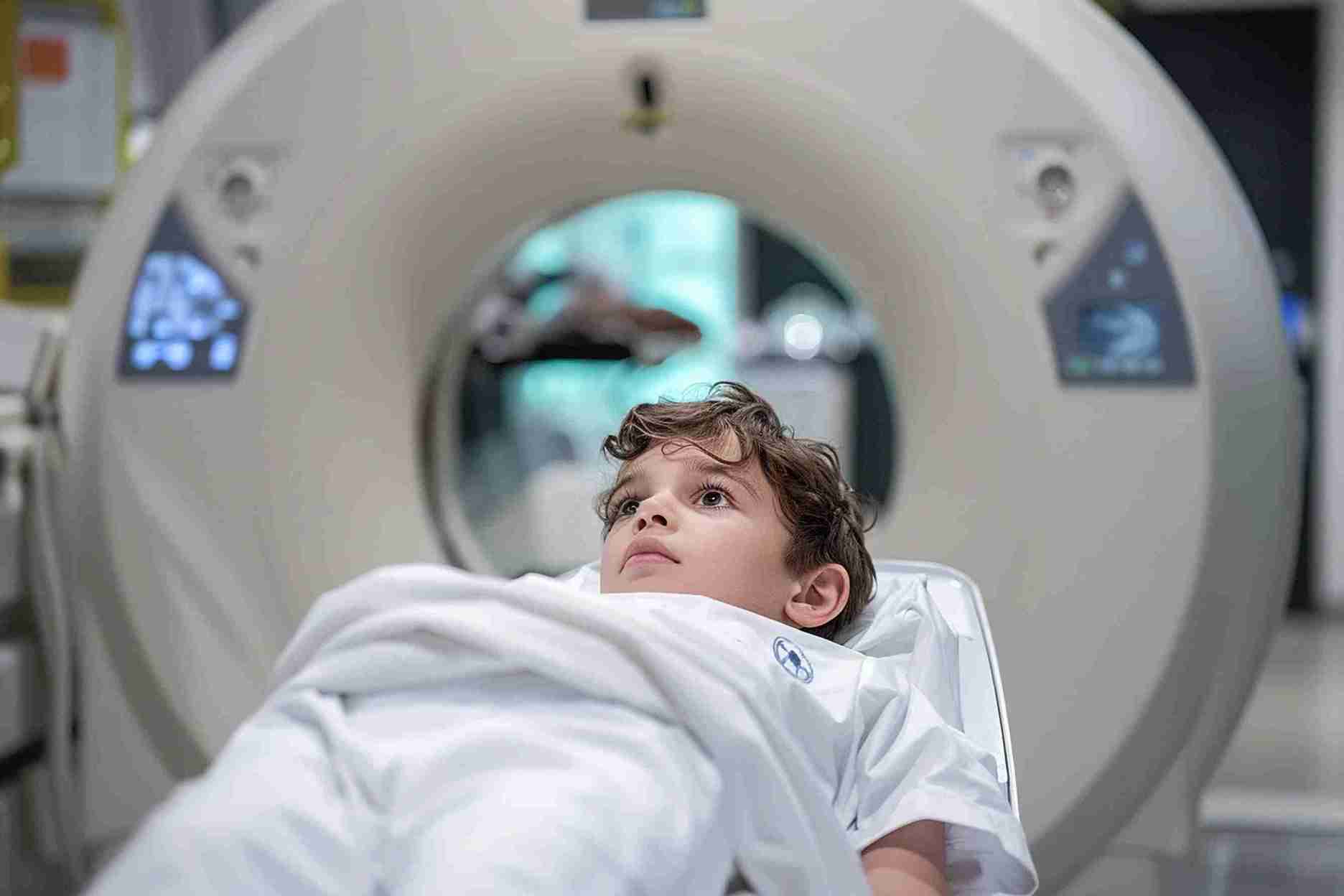
A number of medical tests are used to diagnose brain inflammation and determine the cause of encephalitis in children.
A lumbar puncture, also called a spinal tap, collects cerebrospinal fluid from around the brain and spinal cord to test for infections or immune activity. It is done early unless there is a clear medical reason to delay it.
Brain imaging tests can detect areas of brain swelling and help rule out conditions such as strokes or brain tumours.
The child’s blood may be tested to detect signs of infection, immune responses, and other illnesses that can affect brain function.
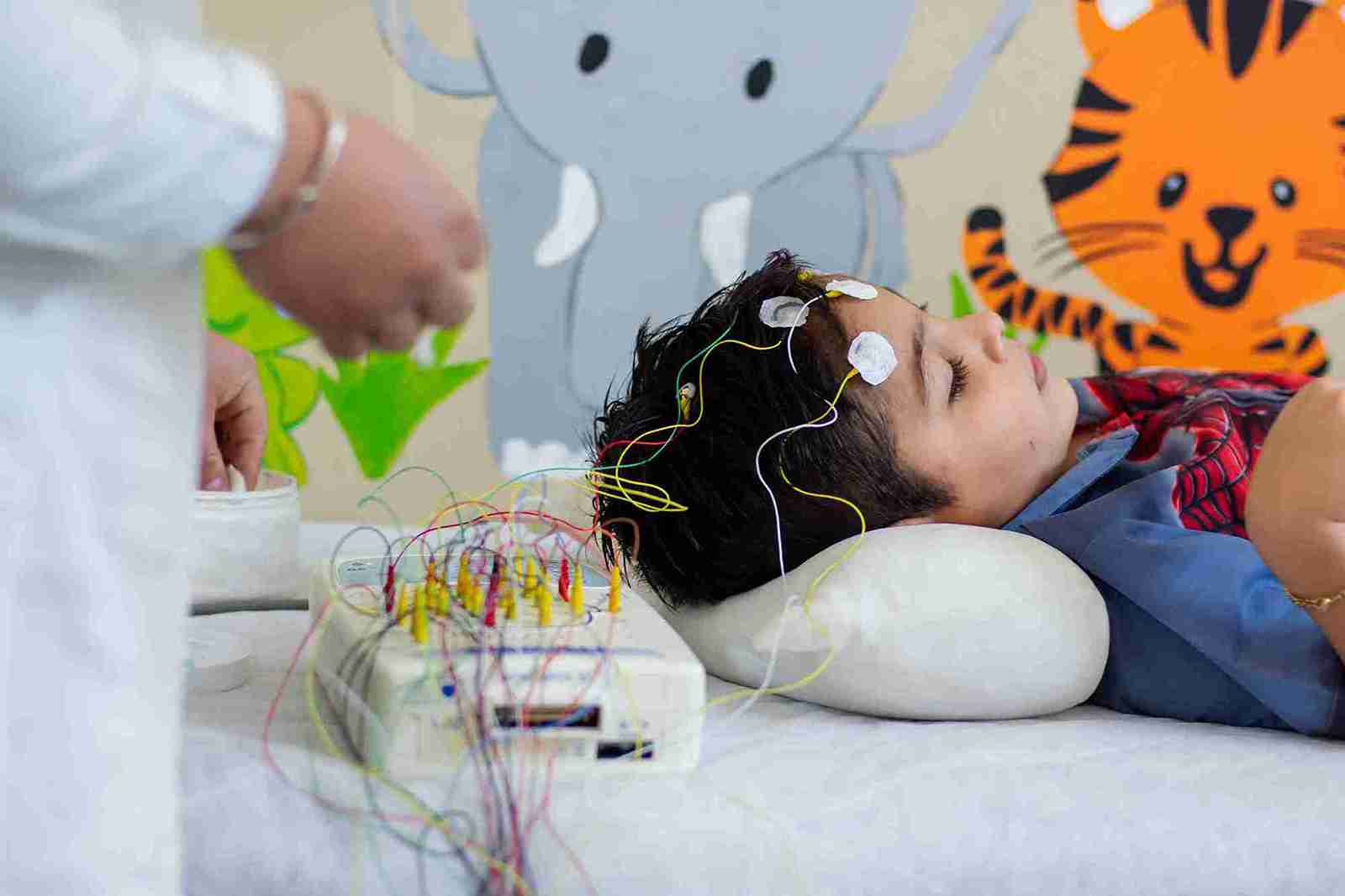
An EEG is a test that captures brain activity. It helps identify abnormal electrical patterns and seizure activity associated with encephalitis.
These tests together help doctors make an accurate and timely diagnosis.
Encephalitis needs to be treated right away. Children are treated in hospitals so that medical professionals can closely monitor their health and respond quickly to any changes. Treatment depends on a child’s age, overall health, symptoms, and the severity of the illness. The main goal is to reduce brain swelling and prevent complications. Medicines help control infection, fever, and seizures. For infectious encephalitis, doctors will begin treatment immediately. They will prescribe antiviral, antibiotic or antifungal medicines. These treatments often begin before the exact cause is confirmed, and multiple medicines may be used together. When doctors believe encephalitis is an autoimmune disease, treatment aims to regulate the immune system and reduce its attack on the brain. This may involve anti-inflammatory medicines, immune therapies given through a vein, or treatments that remove harmful antibodies from the blood. In severe cases, breathing support may be required.
Recovery often continues after hospital care. To regain their strength and communication abilities, some kids will require speech, occupational or physical therapy. Follow-up appointments will help monitor recovery and guide home care.
Encephalitis is a life-threatening condition that demands urgent medical attention. Early recognition supports quicker diagnosis and timely treatment, which can change outcomes. In children, this remains especially challenging, as they often struggle to explain what they feel. This makes parental awareness and vigilance critical at every stage.


Encephalitis is a life-threatening disease that causes inflammation and swelling of the affected child’s brain.
Fever, headaches, memory lapses, behavioural changes, seizures, stiff neck, light sensitivity, etc., are some of the early warning signs of encephalitis in children.
When the child begins to exhibit symptoms, parents need to seek immediate medical help.
Blood tests, MRIs, CT scans, lumbar puncture/spinal tap and EEG are used to form a diagnosis.





 Best Gynecologists in Bellandur Best Gynecologists in Electronic City Best Gynecologists in HRBR LayoutBest Gynecologists in Jayanagar Best Gynecologists in Kanakapura RoadBest Gynecologists in Malleswaram Best Gynecologists in Nagarbhavi Best Gynecologists in Old Airport RoadBest Gynecologists in Sahakarnagar Best Gynecologists in Sarjapur RoadBest Gynecologists in ThanisandraBest Gynecologists in Varthur RoadBest Gynecologists in Whitefield Best Gynecologists in Industrial Area Phase IIBest Gynecologists in OMRBest Gynecologists in T NagarBest Gynecologists in New Industrial TownBest Gynecologists in IndirapuramBest Gynecologists in Golf Course RoadBest Gynecologists in Sector 14Best Gynecologists in Sector 47Best Gynecologists in Banjara HillsBest Gynecologists in GachibowliBest Gynecologists in Hitech CityBest Gynecologists in KompallyBest Gynecologists in Gomti NagarBest Gynecologists in MaladBest Gynecologists in NerulBest Gynecologists in VashiBest Gynecologists in Kailash ColonyBest Gynecologists in PatparganjBest Gynecologists in Punjabi BaghBest Gynecologists in VikaspuriBest Gynecologists in Gaur CityBest Gynecologists in Pari ChowkBest Gynecologists in Sector 51Best Gynecologists in Sector 5 Swastik ViharBest Gynecologists in Kalyani NagarBest Gynecologists in SB RoadBest Gynecologists in Pimple SaudagarBest Pediatricians in BellandurBest Pediatricians in Electronic CityBest Pediatricians in HRBR LayoutBest Pediatricians in JayanagarBest Pediatricians in Kanakapura RoadBest Pediatricians in MalleswaramBest Pediatricians in NagarbhaviBest Pediatricians in Old Airport RoadBest Pediatricians in SahakarnagarBest Pediatricians in Sarjapur RoadBest Pediatricians in ThanisandraBest Pediatricians in Varthur RoadBest Pediatricians in WhitefieldBest Pediatricians in Industrial Area Phase IIBest Pediatricians in OMRBest Pediatricians in T NagarBest Pediatricians in New Industrial TownshipBest Pediatricians in IndirapuramBest Pediatricians in Golf Course RoadBest Pediatricians in Sector 14Best Pediatricians in Sector 47Best Pediatricians in Hitech CityBest Pediatricians in Banjara HillsBest Pediatricians in GachibowliBest Pediatricians in KompallyBest Pediatricians in Gomti NagarBest Pediatricians in MaladBest Pediatricians in NerulBest Pediatricians in VashiBest Pediatricians in Kailash ColonyBest Pediatricians in PatparganjBest Pediatricians in Punjabi BaghBest Pediatricians in VikaspuriBest Pediatricians in Gaur CityBest Pediatricians in Pari ChowkBest Pediatricians in Sector 51Best Pediatricians in Sector 5 Swastik ViharBest Pediatricians in Kalyani NagarBest Pediatricians in SB RoadBest Pediatricians in Pimple Saudagar


