


Cervical cancer is among the most common types of cancers that affect women all over the world. Fortunately, it’s also among the easily preventable ones! Yes, in most cases, cervical cancer can be prevented just by following simple measures, like getting vaccinated against certain strains of the human papillomavirus (HPV). We'll talk about the connection between HPV and cervical cancer in this article because raising awareness is the first step towards keeping women safe from this deadly disease.
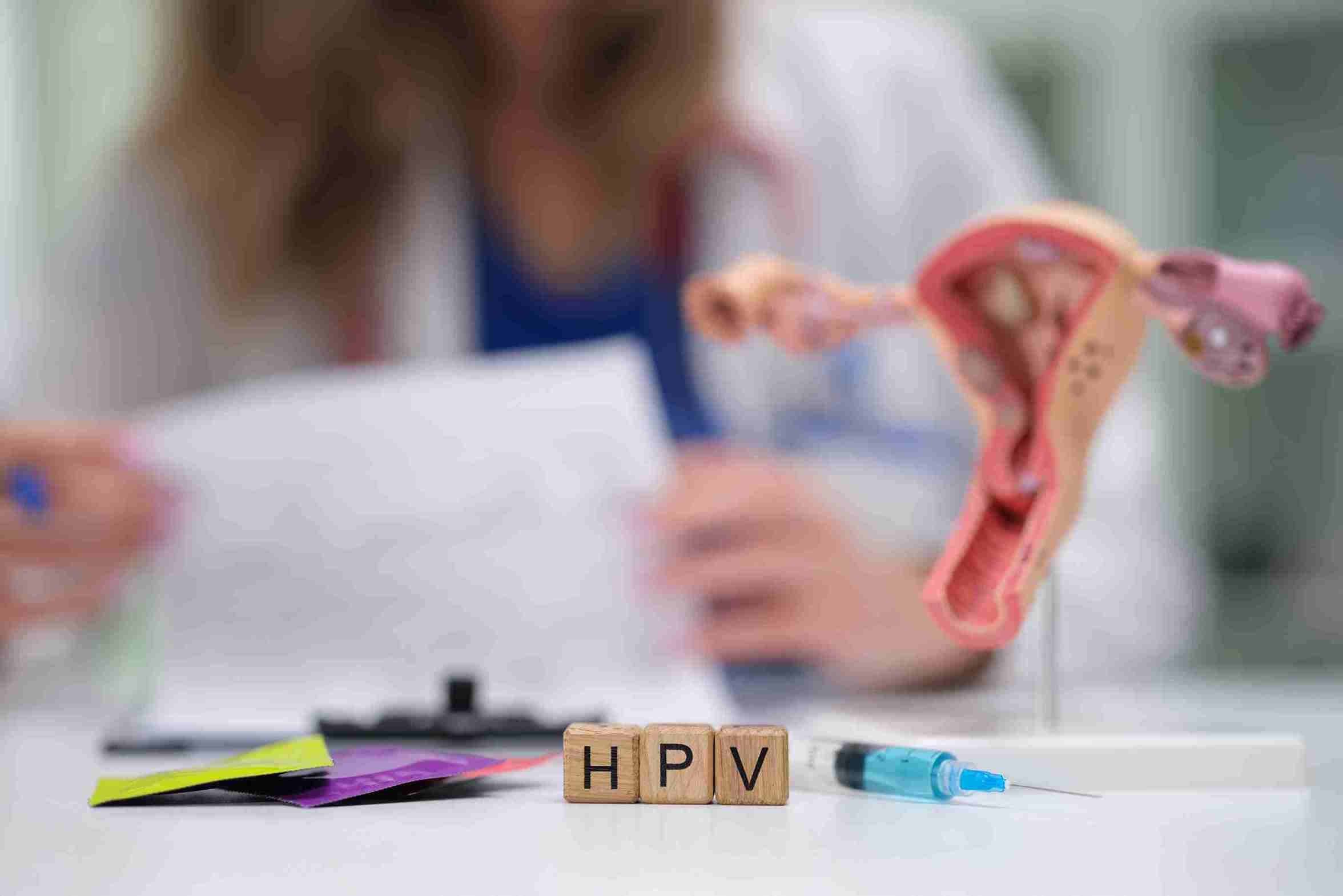
Before we examine the link between cervical cancer and HPV, we’ll need to understand what is HPV infection.
The human papillomavirus, or HPV, contains more than a hundred strains and is among the most common sexually transmitted infections (STIs). It affects many people during their lifetime, including both women and men. It spreads through vaginal, oral or anal sex. There are more than 100 strains/types of HPV, and these can be classified mainly into two groups. Low-risk strains cause warts. High-risk types damage cells over time and can develop into cancer. HPV 16 and HPV 18 are the most aggressive and are linked to most HPV-related cancers.
Let’s now take a quick look at the HPV causes and symptoms.
The most common symptom of an HPV infection is the appearance of warts. However, the HPV infections/strains linked to cervical cancer rarely show symptoms in the preliminary stages. In fact, the high-risk strains that lead to cervical cancer do not cause warts, so the infection often goes unnoticed.
Symptoms of cervical cancer-causing HPV usually appear only after the virus starts damaging cervical cells. Warning signs include:
● Abnormal bleeding between menstrual cycles or after sexual intercourse
● Light or heavy bleeding after menopause
● Pain during sexual intercourse
● Unusual vaginal discharge
● Pelvic pain
These symptoms develop when the infection progresses toward cervical cancer, which is why regular cervical screening with pap smear tests is important even when you feel healthy.
HPV spreads through direct skin-to-skin contact during sexual activity. Vaginal, oral or anal sex increases the risk of infection. The virus passes even when there are no visible symptoms. Starting sexual activity at a younger age, having multiple partners, or having a partner with multiple partners raises exposure. A weak immune system makes it harder for the body to clear the virus.
Now that we have vital insight about HPV, let’s examine what cervical cancer is. Cervical cancer has often been called a “silent killer”. This is because the symptoms associated with this deadly type of cancer usually occur during advanced stages, especially when the cancer has become malignant and begun to spread.
Cervical cancer occurs due to the formation of abnormal cells in the cervix. As previously stated, there are usually little to no symptoms in the initial stages of the disease. However, in a few cases, the following symptoms may be evident:
● Abnormal vaginal discharge, usually with a foul smell. It may contain traces of blood.
● Abnormal vaginal bleeding. This could even be spotting in between periods or after menopause.
● Pain during or after sexual intercourse.
● Pelvic discomfort and pain.
● Pain while urinating. There may be traces of blood in the urine.
● Swelling in the legs.
● Backache.
● Unusual tiredness.
● Loss of weight and appetite.
It is important to see a doctor as soon as any of these symptoms appear, as early diagnosis can lead to early treatment and prevent the disease from becoming fatal.

Doctors will conduct a few tests to check if the symptoms are caused by cervical cancer. Of these, the most common and vital one is the Pap smear test. This test involves taking a small sample of cervical cells during a pelvic exam and testing them for the presence of cancerous cells.
If the Pap smear test results show abnormal cells, the doctor may recommend further testing. Usually, a biopsy may be performed to get a tissue sample from the cervix.
A Closer Look at the Link Between HPV and Cervical Cancer
In this section, the HPV link to cervical cancer is explained in detail.
High-risk HPV strains play a direct role in causing cervical cancer. For many years, these strains remain in the cervix and gradually harm healthy cells. If the body does not clear the virus, these cell changes can become serious.
If the body does not clear the virus, these cell changes can become serious.
Among them, HPV types 16 and 18 have been shown to cause a disorder known as cervical dysplasia. Cervical dysplasia occurs when there are abnormal changes or mutations in the cells within the cervix. These changes are usually not sudden. They often take place over an extended period. If these abnormalities are not detected early or if treatment is delayed, there is a high chance of the cervix developing extremely dangerous cancerous cells.
Preventing HPV-related cervical cancer starts with reducing the risk of infection and detecting changes in the cervix early.
● The most effective and safest protection is the HPV vaccine. It targets the high-risk strains that cause most cervical cancer cases, including HPV 16 and HPV 18. Vaccination is recommended before becoming sexually active, but adults who are already sexually active can also take it after consulting a medical professional.
● Safe sexual practices lower exposure to HPV. Using condoms during sexual intercourse can actually prevent the spread of the disease to a great extent. Having fewer sexual partners also lowers the risk of transmission.
● An important part of prevention is routine cervical screening. Pap smear tests and HPV tests can easily help identify abnormal cervical cells very early, long before they become cancerous. Women should follow their doctor’s advice on when and how often to test.
● A healthy immune system can help the body clear up HPV infections naturally. It's always best to avoid bad habits like smoking tobacco and drinking alcohol, and adopt a healthy lifestyle that focuses on regular exercise and a nutritious diet. This will enhance the immune response to abnormal cervical cells created by dangerous HPV strains.
Most cases of cervical cancer are preventable with HPV vaccinations, safer sexual habits and routine cervical screening.

Prevention is only made possible by awareness. Therefore, understanding the connection between two seemingly unrelated problems, HPV and cervical cancer, is actually quite essential. Most cervical cancer cases can be prevented with routine screening and HPV vaccinations. Paying attention to changes in the body and seeking medical advice when something feels off gives the best chance for early care and better health outcomes.

HPV stands for human papillomavirus. It’s a very common sexually transmitted disease. The disease is usually transmitted via skin-to-skin contact during sexual intercourse.
High-risk strains or types of HPV, such as HPV types 16 and 18, can lead to a condition called cervical dysplasia that causes the development of abnormal cervical cells. If left untreated, these could turn into cancerous cells.
Regular Pap smear tests can be very useful for the early detection of cervical cancer.
Experts believe that the HPV vaccine should be given to both boys and girls from the ages of 9 to 26.


 Best Gynecologists in Bellandur Best Gynecologists in Electronic City Best Gynecologists in HRBR LayoutBest Gynecologists in Jayanagar Best Gynecologists in Kanakapura RoadBest Gynecologists in Malleswaram Best Gynecologists in Nagarbhavi Best Gynecologists in Old Airport RoadBest Gynecologists in Sahakarnagar Best Gynecologists in Sarjapur RoadBest Gynecologists in ThanisandraBest Gynecologists in Varthur RoadBest Gynecologists in Whitefield Best Gynecologists in Industrial Area Phase IIBest Gynecologists in OMRBest Gynecologists in T NagarBest Gynecologists in New Industrial TownBest Gynecologists in IndirapuramBest Gynecologists in Golf Course RoadBest Gynecologists in Sector 14Best Gynecologists in Sector 47Best Gynecologists in Banjara HillsBest Gynecologists in GachibowliBest Gynecologists in Hitech CityBest Gynecologists in KompallyBest Gynecologists in Gomti NagarBest Gynecologists in MaladBest Gynecologists in NerulBest Gynecologists in VashiBest Gynecologists in Kailash ColonyBest Gynecologists in PatparganjBest Gynecologists in Punjabi BaghBest Gynecologists in VikaspuriBest Gynecologists in Gaur CityBest Gynecologists in Pari ChowkBest Gynecologists in Sector 51Best Gynecologists in Sector 5 Swastik ViharBest Gynecologists in Kalyani NagarBest Gynecologists in SB RoadBest Gynecologists in Pimple SaudagarBest Pediatricians in BellandurBest Pediatricians in Electronic CityBest Pediatricians in HRBR LayoutBest Pediatricians in JayanagarBest Pediatricians in Kanakapura RoadBest Pediatricians in MalleswaramBest Pediatricians in NagarbhaviBest Pediatricians in Old Airport RoadBest Pediatricians in SahakarnagarBest Pediatricians in Sarjapur RoadBest Pediatricians in ThanisandraBest Pediatricians in Varthur RoadBest Pediatricians in WhitefieldBest Pediatricians in Industrial Area Phase IIBest Pediatricians in OMRBest Pediatricians in T NagarBest Pediatricians in New Industrial TownshipBest Pediatricians in IndirapuramBest Pediatricians in Golf Course RoadBest Pediatricians in Sector 14Best Pediatricians in Sector 47Best Pediatricians in Hitech CityBest Pediatricians in Banjara HillsBest Pediatricians in GachibowliBest Pediatricians in KompallyBest Pediatricians in Gomti NagarBest Pediatricians in MaladBest Pediatricians in NerulBest Pediatricians in VashiBest Pediatricians in Kailash ColonyBest Pediatricians in PatparganjBest Pediatricians in Punjabi BaghBest Pediatricians in VikaspuriBest Pediatricians in Gaur CityBest Pediatricians in Pari ChowkBest Pediatricians in Sector 51Best Pediatricians in Sector 5 Swastik ViharBest Pediatricians in Kalyani NagarBest Pediatricians in SB RoadBest Pediatricians in Pimple Saudagar