
Tonsillitis is a common issue that affects children. The symptoms are very similar to a common cold, thus making it difficult to identify until the symptoms are severe or the child is in a lot of discomfort. Is tonsillitis very different from a regular sore throat? What are the signs, causes and treatment for this condition? Read on to know all about it.
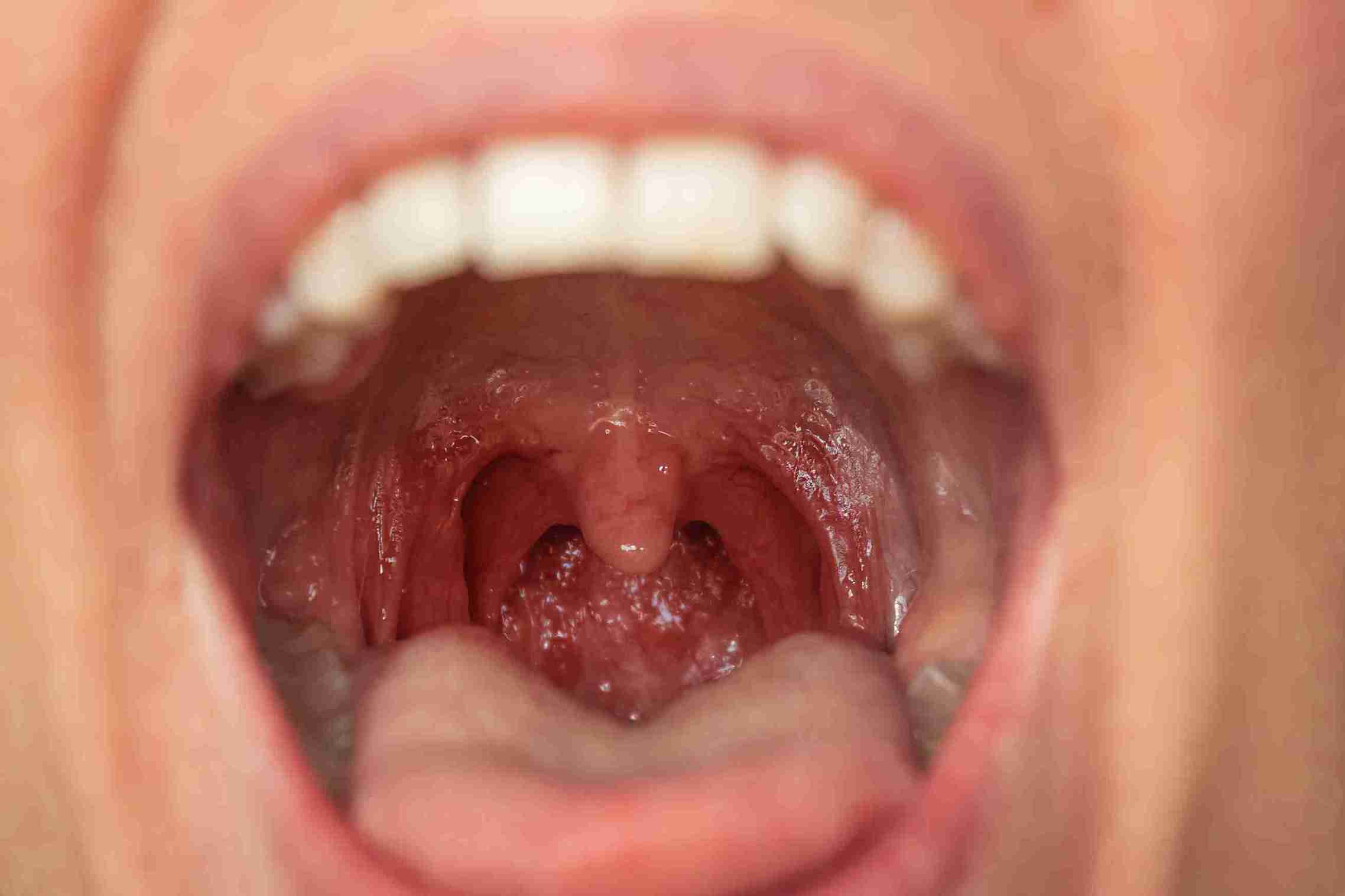
Tonsils are the two tissue masses at the back of your throat. These tissue masses are the filters that trap germs and protect your airways from infection. An infection of these tonsils is known as tonsillitis. It causes the tonsils to swell in size and become red and sore. Tonsillitis is common among children aged 5 to 15. As the tonsils reduce in size after puberty, tonsillitis in adults is quite rare.
Tonsillitis can be classified into three types –
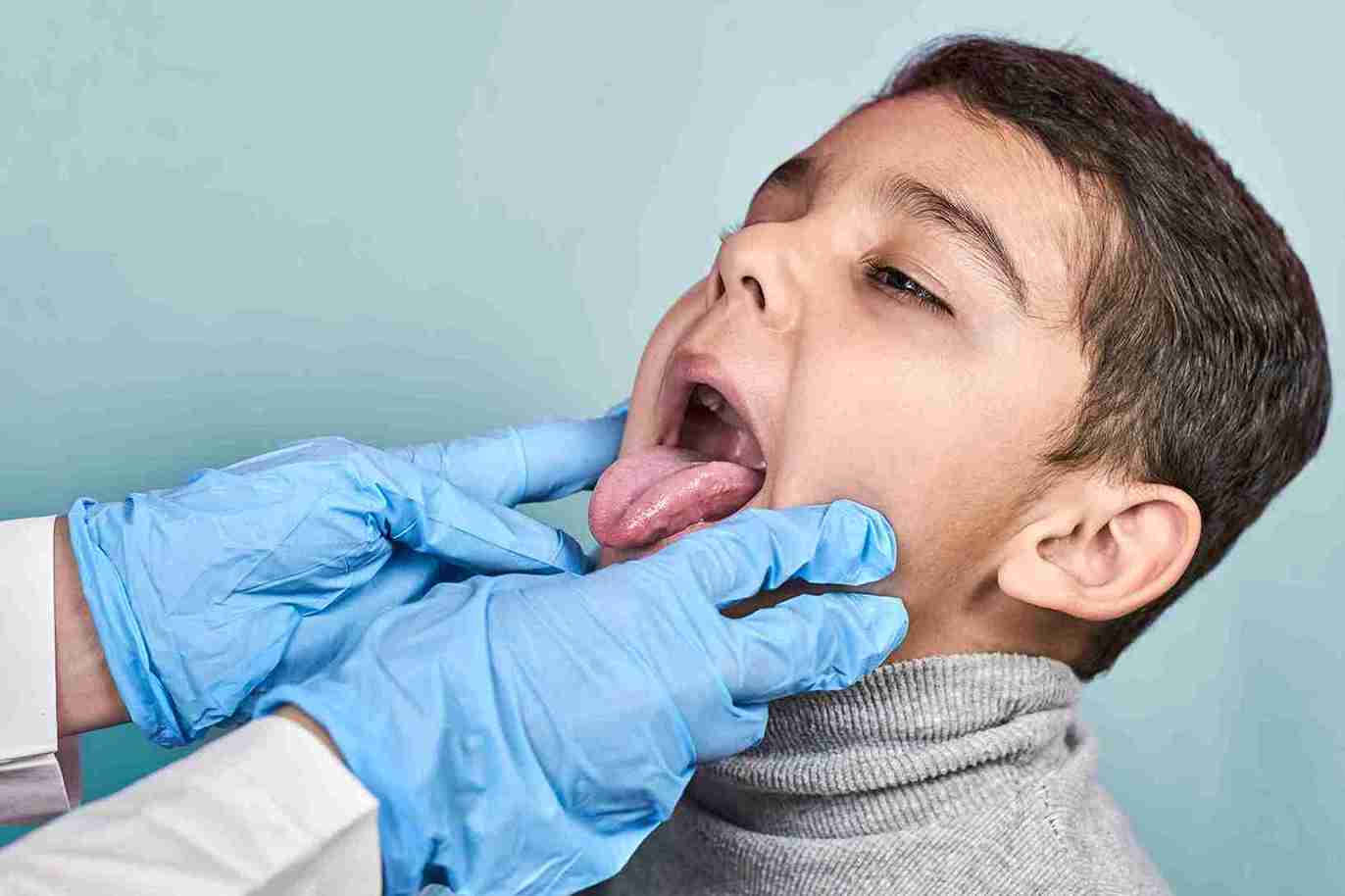
As mentioned earlier, tonsillitis is the inflammation of the tonsils. Inflammation in the body happens when that body part is attacked, and it starts fighting the infection to protect itself. Tonsillitis in children can be caused by bacterial or viral infection.
Bacterial tonsillitis is mostly caused by the Group A Streptococcus bacteria, which also causes strep throat. It is very contagious and can be transferred easily through close contact or through respiratory droplets that are released when coughing or sneezing. In rare cases, bacterial tonsillitis can lead to quinsy – a complication where an abscess forms near the tonsil, thus pushing it to the centre of the throat, making it very painful and difficult to breathe freely.
Viral tonsillitis is caused by various viruses and is less severe than bacterial tonsillitis. Viruses such as adenoviruses, influenza viruses, Epstein-Barr virus, Parainfluenza viruses, Enteroviruses, Herpes simplex virus, and HIV can cause inflammation of the tonsils, leading to tonsillitis.
Tonsillitis symptoms are very similar to those of a cold and can be missed easily. Here are some symptoms to monitor if you suspect tonsillitis.
The risk of tonsillitis is higher for –
So, how do you treat your child’s tonsillitis? Can you prevent it from recurring?
Tonsillitis is quite common among children of school-going age. The proximity to other infected children and the weak immune systems increase the risk for children between 5 and 15 years of age. If symptoms persist, it is always advisable to get checked rather than ignore them as just a sore throat.


The most common signs and symptoms of tonsillitis in kids are a scratchy throat, sore throat, and pain or discomfort while swallowing. Closer inspection of the tonsils can reveal red or swollen tonsils, possibly with white or yellow spots on them.
Sore throat and other cold-related symptoms are regularly seen in young children. If they experience a sore throat, pain when swallowing, and swollen or red tonsils, it indicates an issue with the tonsils. The doctor will take a swab test to determine if it is a viral or bacterial tonsillitis and recommend treatment accordingly.
If your child presents the classic symptoms of tonsillitis, like a sore or scratchy throat, inflamed and red tonsils, spots on the tonsils, or difficulty in swallowing, you should consult a doctor immediately. Viral tonsillitis can go away on its own, but bacterial tonsillitis can worsen quickly and requires antibiotics for a full recovery.
Recurrent tonsillitis, persistent or worsening symptoms, causing too much pain for the child, requires a tonsillectomy - a surgery to remove the infected tonsils. Recurrent episodes of tonsillitis along with pus formation, fever, or swollen lymph nodes can cause breathing problems and other complications. Removing the infected tonsil is the only viable option.







 Best Gynecologists in Bellandur Best Gynecologists in Electronic City Best Gynecologists in HRBR LayoutBest Gynecologists in Jayanagar Best Gynecologists in Kanakapura RoadBest Gynecologists in Malleswaram Best Gynecologists in Nagarbhavi Best Gynecologists in Old Airport RoadBest Gynecologists in Sahakarnagar Best Gynecologists in Sarjapur RoadBest Gynecologists in ThanisandraBest Gynecologists in Varthur RoadBest Gynecologists in Whitefield Best Gynecologists in Industrial Area Phase IIBest Gynecologists in OMRBest Gynecologists in T NagarBest Gynecologists in New Industrial TownBest Gynecologists in IndirapuramBest Gynecologists in Golf Course RoadBest Gynecologists in Sector 14Best Gynecologists in Sector 47Best Gynecologists in Banjara HillsBest Gynecologists in GachibowliBest Gynecologists in Hitech CityBest Gynecologists in KompallyBest Gynecologists in Gomti NagarBest Gynecologists in MaladBest Gynecologists in NerulBest Gynecologists in VashiBest Gynecologists in Kailash ColonyBest Gynecologists in PatparganjBest Gynecologists in Punjabi BaghBest Gynecologists in VikaspuriBest Gynecologists in Gaur CityBest Gynecologists in Pari ChowkBest Gynecologists in Sector 51Best Gynecologists in Sector 5 Swastik ViharBest Gynecologists in Kalyani NagarBest Gynecologists in SB RoadBest Gynecologists in Pimple SaudagarBest Pediatricians in BellandurBest Pediatricians in Electronic CityBest Pediatricians in HRBR LayoutBest Pediatricians in JayanagarBest Pediatricians in Kanakapura RoadBest Pediatricians in MalleswaramBest Pediatricians in NagarbhaviBest Pediatricians in Old Airport RoadBest Pediatricians in SahakarnagarBest Pediatricians in Sarjapur RoadBest Pediatricians in ThanisandraBest Pediatricians in Varthur RoadBest Pediatricians in WhitefieldBest Pediatricians in Industrial Area Phase IIBest Pediatricians in OMRBest Pediatricians in T NagarBest Pediatricians in New Industrial TownshipBest Pediatricians in IndirapuramBest Pediatricians in Golf Course RoadBest Pediatricians in Sector 14Best Pediatricians in Sector 47Best Pediatricians in Hitech CityBest Pediatricians in Banjara HillsBest Pediatricians in GachibowliBest Pediatricians in KompallyBest Pediatricians in Gomti NagarBest Pediatricians in MaladBest Pediatricians in NerulBest Pediatricians in VashiBest Pediatricians in Kailash ColonyBest Pediatricians in PatparganjBest Pediatricians in Punjabi BaghBest Pediatricians in VikaspuriBest Pediatricians in Gaur CityBest Pediatricians in Pari ChowkBest Pediatricians in Sector 51Best Pediatricians in Sector 5 Swastik ViharBest Pediatricians in Kalyani NagarBest Pediatricians in SB RoadBest Pediatricians in Pimple Saudagar


