
The first weeks with a newborn bring many questions. One of the most common appears during diaper changes. The poop does not look like what many parents expect. Colours shift, textures vary, and the smell changes from day to day. This often leads to worry, especially for first-time parents.
Newborn poop gives important clues about digestion and feeding. Most colours are normal and part of healthy development.
This article will help you understand what normal newborn stool colours are, how a newborn's digestion develops, what bowel movements usually look like, signs of constipation, and answer common questions parents ask.
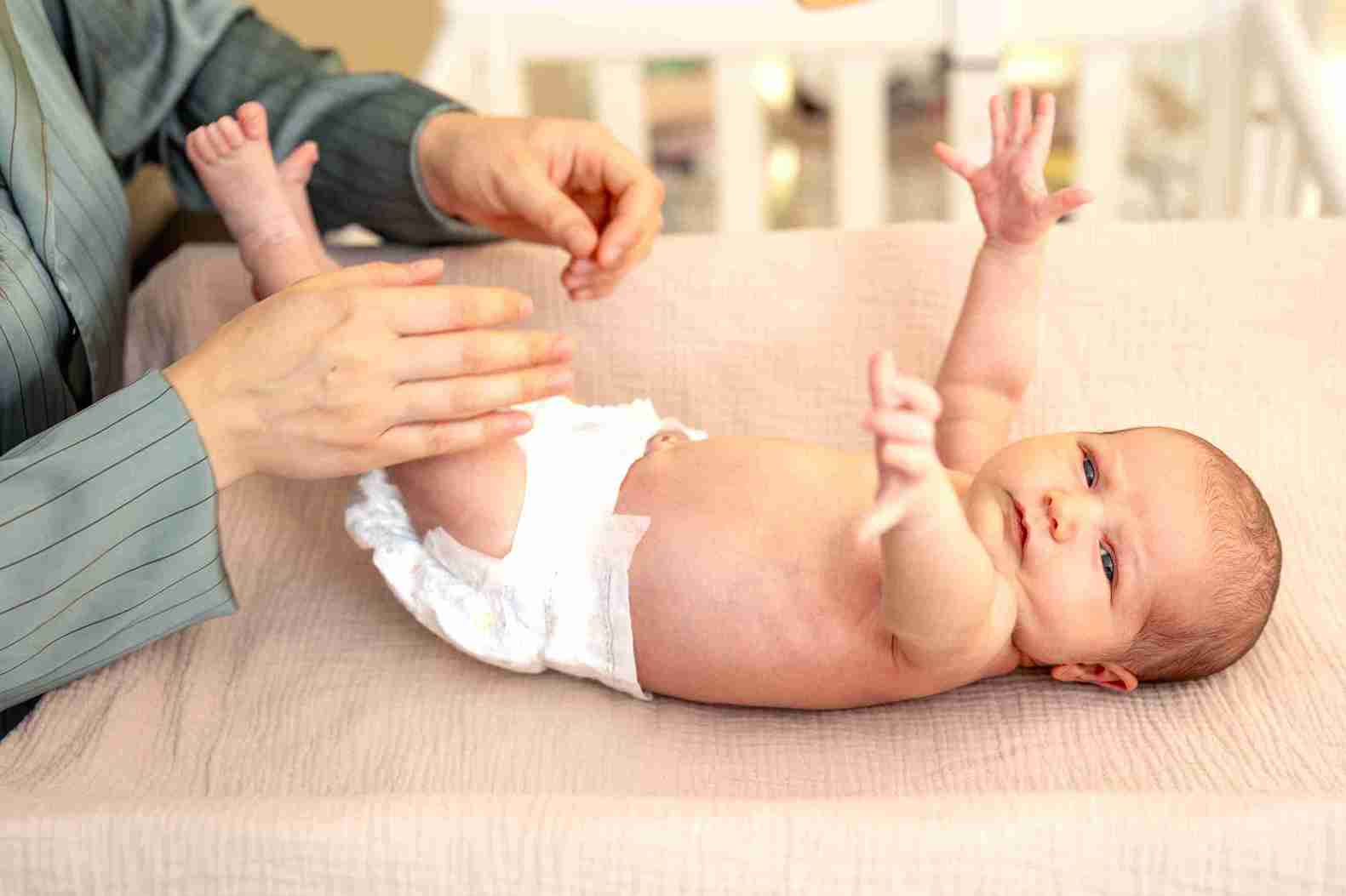
A newborn’s digestive system is still developing. Before birth, the baby does not digest milk. After birth, the gut starts working for the first time.
Milk type, feeding frequency, and how fast food moves through the gut all affect stool colour. That is why poop changes quickly in the first weeks. Frequent changes usually mean your baby’s digestion is learning to function.
Newborn digestion works differently from older babies. Milk moves quickly through the gut. This affects stool colour and frequency.
Breast milk digests faster than formula. That is why breastfed babies poop more often and have looser stools. The formula takes longer to digest, leading to firmer stools and fewer bowel movements.
Swallowed air, growth spurts, and feeding changes also affect poop. These shifts are common and rarely harmful.
Newborn poop follows a clear pattern in most babies. Each stage tells you something about digestion.
This is called meconium. It appears in the first 24 to 48 hours after birth. This stool stage is normal even though the poop looks thick, sticky and tar-like. Meconium forms during pregnancy and contains fluid, skin cells and bile. It shows your baby’s bowels are working. Meconium usually passes within the first two days.
This is a transitional stool. It appears after meconium, usually around the third or fourth day after birth. The poop becomes softer and less sticky. The colour shifts as your baby starts digesting milk.
Yellow poop is common in breastfed babies. It often looks mustard-yellow and may have small, seed-like bits. The texture is loose or slightly runny. The smell is mild. This stool colour shows healthy digestion of breast milk. Frequent yellow stools are normal in breastfed babies.
Formula-fed babies often have light brown or tan stools. The texture is thicker, like peanut butter. The smell is stronger than breastfed poop. This colour stays more consistent once feeding patterns settle.
Don’t worry! Green poop is normal, and it appears in both breastfed and formula-fed babies. It often relates to iron in the formula or minor feeding changes. If your baby feeds well and seems comfortable, green poop is usually normal.
Some stool colours are abnormal and need prompt attention.
It is not normal for a newborn infant's stool to be white or pale grey. It may signal a problem with bile flow or liver function.
Small red streaks may come from tiny tears caused by hard stools. Large amounts of blood or dark red stools need urgent care.
Black stool after the meconium stage may indicate bleeding in the digestive tract. This needs prompt medical review.
Many parents worry about how often their newborn poops, but there is a wide range of what is normal. During the first week, babies have bowel movements many times a day, and some may poop after every feed. As weeks pass, breastfed babies may start to poop less often. Some may go once every few days, which is normal as long as the stool stays soft and the baby feeds well. Formula-fed babies usually poop at least once a day, and their pattern is often more regular. It is more helpful to look at how soft the stool is and whether your baby seems comfortable, rather than counting the number of diapers.
Newborn constipation is less common than many parents think. A newborn is considered constipated only when the poop is hard, dry, and difficult to pass. The number of bowel movements alone does not indicate whether the baby is constipated.
Breastfed babies rarely get constipated because breast milk is easy to digest. Formula-fed babies may have firmer stools, but this does not always mean constipation. Many newborns strain, grunt, or turn red while pooping. This happens because their muscles are still learning how to work together and is usually normal.
Signs of constipation include hard or pellet-like stools, clear discomfort while passing stool, or a swollen belly. If your baby passes soft stools, even after a few days without pooping, constipation is unlikely.

Understanding newborn poop can ease a lot of early parenting worries. Changes in colour, texture, and frequency are usually part of normal digestion as your baby adjusts to feeding and growth. A baby who feeds well, gains weight, and seems comfortable is often doing just fine. Paying attention to stool softness and overall behaviour matters more than counting diapers. When something looks unusual or causes concern, reaching out to a doctor is always the right choice. With time, these diaper changes will feel more familiar, helping you care for your newborn with greater confidence and calm.

Green poop is normal. It is often associated with factors such as the presence of iron in the formula or minor changes in feeding. If your baby feeds well, gains weight and seems comfortable, green poop is usually not a cause for concern.
In the first days, black or dark green is normal. After that, yellow, brown, or green are common. Colour depends on age and feeding type.
No, it is not. White, pale, or chalky poop is never considered normal. In fact, it needs urgent medical attention.
Breastfed poop is yellow, loose, and mild-smelling. Formula-fed poop is thicker, brown or tan, and smells stronger. Both patterns are normal.







 Best Gynecologists in Bellandur Best Gynecologists in Electronic City Best Gynecologists in HRBR LayoutBest Gynecologists in Jayanagar Best Gynecologists in Kanakapura RoadBest Gynecologists in Malleswaram Best Gynecologists in Nagarbhavi Best Gynecologists in Old Airport RoadBest Gynecologists in Sahakarnagar Best Gynecologists in Sarjapur RoadBest Gynecologists in ThanisandraBest Gynecologists in Varthur RoadBest Gynecologists in Whitefield Best Gynecologists in Industrial Area Phase IIBest Gynecologists in OMRBest Gynecologists in T NagarBest Gynecologists in New Industrial TownBest Gynecologists in IndirapuramBest Gynecologists in Golf Course RoadBest Gynecologists in Sector 14Best Gynecologists in Sector 47Best Gynecologists in Banjara HillsBest Gynecologists in GachibowliBest Gynecologists in Hitech CityBest Gynecologists in KompallyBest Gynecologists in Gomti NagarBest Gynecologists in MaladBest Gynecologists in NerulBest Gynecologists in VashiBest Gynecologists in Kailash ColonyBest Gynecologists in PatparganjBest Gynecologists in Punjabi BaghBest Gynecologists in VikaspuriBest Gynecologists in Gaur CityBest Gynecologists in Pari ChowkBest Gynecologists in Sector 51Best Gynecologists in Sector 5 Swastik ViharBest Gynecologists in Kalyani NagarBest Gynecologists in SB RoadBest Gynecologists in Pimple SaudagarBest Pediatricians in BellandurBest Pediatricians in Electronic CityBest Pediatricians in HRBR LayoutBest Pediatricians in JayanagarBest Pediatricians in Kanakapura RoadBest Pediatricians in MalleswaramBest Pediatricians in NagarbhaviBest Pediatricians in Old Airport RoadBest Pediatricians in SahakarnagarBest Pediatricians in Sarjapur RoadBest Pediatricians in ThanisandraBest Pediatricians in Varthur RoadBest Pediatricians in WhitefieldBest Pediatricians in Industrial Area Phase IIBest Pediatricians in OMRBest Pediatricians in T NagarBest Pediatricians in New Industrial TownshipBest Pediatricians in IndirapuramBest Pediatricians in Golf Course RoadBest Pediatricians in Sector 14Best Pediatricians in Sector 47Best Pediatricians in Hitech CityBest Pediatricians in Banjara HillsBest Pediatricians in GachibowliBest Pediatricians in KompallyBest Pediatricians in Gomti NagarBest Pediatricians in MaladBest Pediatricians in NerulBest Pediatricians in VashiBest Pediatricians in Kailash ColonyBest Pediatricians in PatparganjBest Pediatricians in Punjabi BaghBest Pediatricians in VikaspuriBest Pediatricians in Gaur CityBest Pediatricians in Pari ChowkBest Pediatricians in Sector 51Best Pediatricians in Sector 5 Swastik ViharBest Pediatricians in Kalyani NagarBest Pediatricians in SB RoadBest Pediatricians in Pimple Saudagar


