


Many couples struggle to conceive naturally or within the first couple of attempts. For some, it could be just the wrong dates or timing, but for some, it could be more than that. Many men and women don’t realise they have fertility issues until they start trying for a pregnancy. Silent fertility issues go unnoticed until you take a clinical test and see the results. Read on to know more about such silent conditions that affect fertility.
Fertility is the ability to reproduce. Fertility issues affect both men and women. Fertility in women is the ability to conceive, and in men, it refers to a man’s ability to impregnate his female partner. Being fertile does not guarantee a successful pregnancy. Despite being fertile and conceiving naturally, without any assistance, couples struggle through complications during pregnancy or childbirth. Various factors play a role in the entire process of pregnancy (from conception to childbirth).
Fertility issues refer to conditions that interfere with the ability of one or both partners to conceive. In women, it can refer to the availability, or quality of eggs, how her body supports the entire process of ovulation and conception, etc. In men, fertility issues refer to the quantity and quality of their sperm, and the sperm’s ability to travel and fertilise the egg.
Some common fertility issues that many are aware of and are easy to notice are –
Not all health conditions lead to infertility or fertility problems. Some issues may not be connected to fertility at all but may indirectly impact it over time. Here are a few such conditions –
_11zon.jpg)
Stress is a part of everyone’s everyday life. We all experience stress about something or other almost every single day. Can this affect fertility? Maybe not. The impact of this stress depends on how much you get stressed and how long you feel stressed for. Short bursts or regular stress will not have such a lasting impact on your fertility, but chronic stress will.
Stress causes hormonal imbalance in both men and women. When the hormonal balance is disturbed, and the body goes into a survival mode, it can affect the sperm quality and motility in men and interfere with ovulation in women. Excess stress, be it emotional or physical, like very strenuous workouts or extreme diets, can even cause women to skip ovulation and menstrual periods.
Chronic stress can affect one’s libido or sex drive. It can lead to a decrease in the frequency of intercourse or interfere with ejaculation and lead to infertility.
Oxidative stress refers to an imbalance in the body when there are too many free radicals and very few antioxidants to neutralise them. When left unchecked, this can damage the DNA, lipids, and proteins, and increase the risk of cancer, heart diseases, as well as speed up the ageing process.
Oxidative stress can affect sperm motility and cause damage to the DNA in men. In women, it can impair the oocyte function, thus negatively impacting the development and release of a mature egg for fertilisation. It can also cause DNA damage to the egg and increase complications like PCOS< endometriosis, recurrent miscarriages, and primary ovarian insufficiency.
Endometriosis is a condition where tissue similar to the uterine lining grows outside the uterus – on the ovaries or fallopian tubes. This will cause inflammation and scarring in the reproductive system and hinder the entire reproduction process, thus leading to fertility issues or infertility.
Endometriosis is a very common reason for infertility in women, but it is often left unnoticed for too long. Many women are misdiagnosed, and the endometriosis pain is dismissed as regular menstrual cramps and pain. Until it starts affecting their pregnancy attempts, many women don’t even take a test to check if there could be a problem.
Silent endometriosis also causes infertility. In this type of endometriosis, the woman does not experience very heavy bleeding or excess pain or discomfort during her menstruation. With endometriosis, even if a woman manages to conceive naturally without much delay, the risk of a miscarriage is very high.
Fibroids are small benign growths in the uterus that can interfere with fertility. It can prevent the egg from implanting properly or disturb the egg that has successfully implanted as well. Fibroids in the fallopian tubes can prevent the sperm from reaching the egg or stop the egg from descending, thus impacting ovulation.
Even after a successful conception, fibroids can also affect the blood flow to the uterus, thus negatively impacting embryo development. Reduced blood flow can lead to a miscarriage or developmental issues in the baby.
In some cases, fibroids can affect the hormonal balance and make the uterus less receptive to the embryo during implantation. It can also alter uterine contractions.
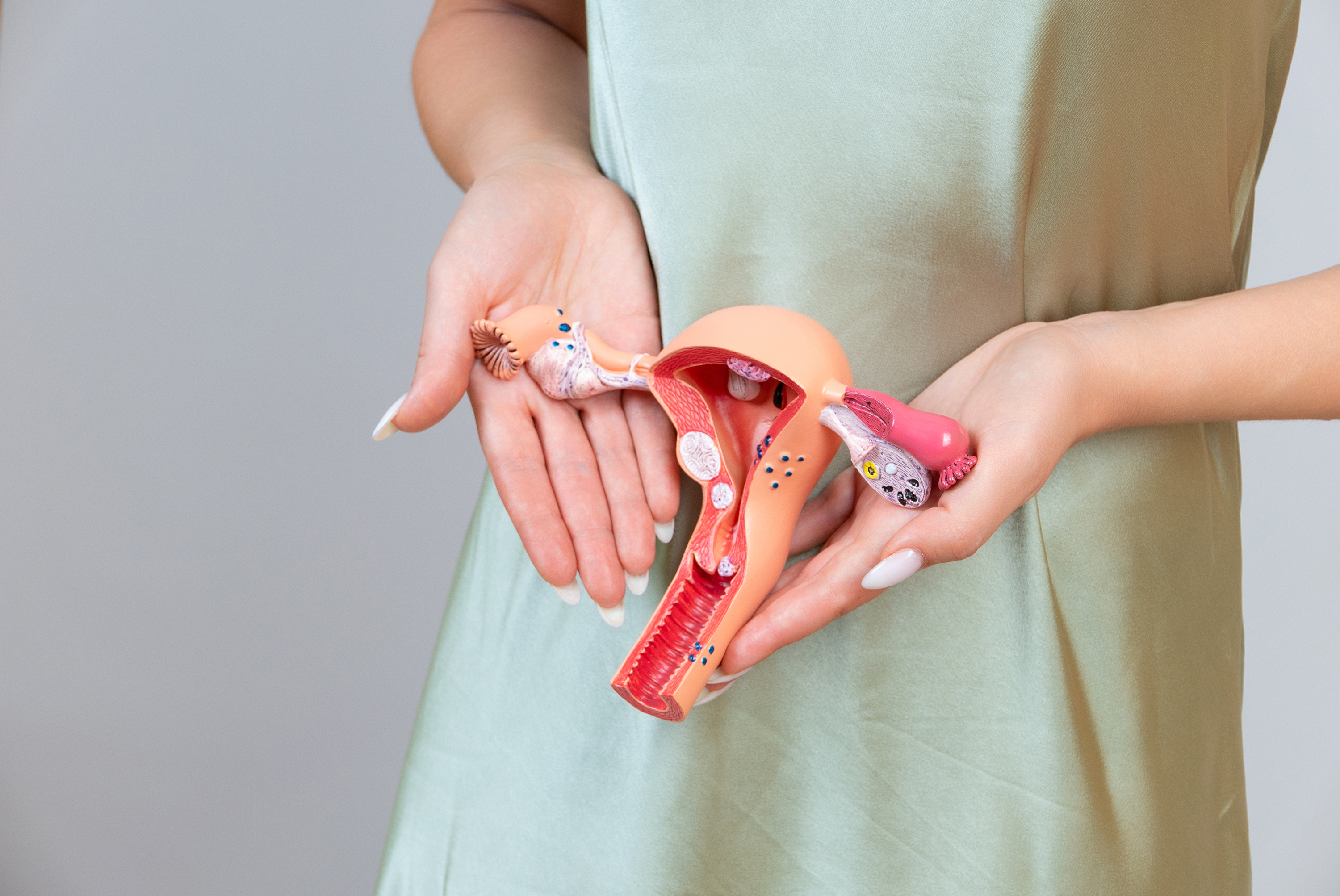
The general assumption and understanding is that a woman’s fertility starts declining once she enters her 30s. The decline is sharp once she reaches 35, and this is when women start checking their egg reserve, tracking ovulation dates, and taking supplements to boost their chances, if they are trying to get pregnant.
Some women’s egg reserve depletes sooner and faster. They may have a poor reserve even earlier, and this could be one of the reasons for their failed attempts at pregnancy. Many couples don’t consult a fertility specialist until the woman is in her mid-30s or until it has been many years of failed pregnancy attempts.
Every female is born with a fixed egg reserve. The rate at which this reserve depletes varies from woman to woman. For some women, it can be much faster than the average, thus reducing their egg reserve much earlier than 35 years of age.
Chromosomal abnormalities can affect both the eggs and the sperm and result in failed pregnancy attempts. As a woman ages, her egg quality comes down. This, in turn, can increase the risk of chromosomal damage in the egg, increasing the risk of miscarriage.
In men, chromosomal abnormalities like structural issues with the sperm, extra or missing chromosomes, can cause errors in cell division when the embryo is forming, thus resulting in infertility. Such conditions can be present genetically and be worsened by lifestyle choices.
Genes have a big impact on men’s overall health, including fertility. If one or both partners have fertility issues in the family, the defective gene can be passed on to them, resulting in infertility or fertility issues. Such genetic transmissions will not have any obvious symptoms, thus remaining unknown until one tries for pregnancy.
DNA fragmentation and genetic defects can cause fertility issues. While both may not directly cause infertility, they can reduce the quality of the forming embryo, increase the risk of a miscarriage, or interfere with implantation.

Fertility issues are not uncommon. However, not all fertility issues are easy to identify. Some may take time to diagnose, and some couples can suffer from unexplained fertility issues, where all tests are normal. A fertility specialist can guide you in the right direction and help you take the necessary tests and steps to identify and combat fertility issues, if any.

Silent conditions affecting a woman’s fertility are PCOS, endometriosis, blocked fallopian tubes, DNA fragmentation, undetected STIs, and hormonal imbalances. Silent conditions affecting a man’s fertility include poor sperm quality or motility, DNA fragmentation, ejaculatory dysfunction, hormonal imbalances, and exposure to heat or toxins.
Endometriosis is generally very painful. Most women suffering from endometriosis complain of very painful periods most months. However, some women suffer from silent endometriosis, where the usual pain or discomfort associated with endometriosis is not experienced. These women do not realise they have endometriosis until they try to conceive and take fertility tests when conception does not happen.
If you and your partner have been trying to conceive for a year, it is time to test both partners’ fertility to understand where the issue could be. If you are over 35 years old and are just planning for pregnancy, it is advisable to consult a fertility specialist first. Even if you are young and healthy, you should test for fertility if you have suffered any UTIs, undergone surgeries in the pelvic area, or had a miscarriage earlier.
Simple tests like a blood test (AMH, FSH), semen analysis, and a pelvic ultrasound can help detect fertility issues, if any. If these turn out negative, you can go on to more advanced tests like a laparoscopy, hysteroscopy, or a test for DNA fragmentation to check if there could be some silent fertility issues. You can also check for genetic issues with karyotyping and ERA testing to assess uterine receptivity.







 Best Gynecologists in Bellandur Best Gynecologists in Electronic City Best Gynecologists in HRBR LayoutBest Gynecologists in Jayanagar Best Gynecologists in Kanakapura RoadBest Gynecologists in Malleswaram Best Gynecologists in Nagarbhavi Best Gynecologists in Old Airport RoadBest Gynecologists in Sahakarnagar Best Gynecologists in Sarjapur RoadBest Gynecologists in ThanisandraBest Gynecologists in Varthur RoadBest Gynecologists in Whitefield Best Gynecologists in Industrial Area Phase IIBest Gynecologists in OMRBest Gynecologists in T NagarBest Gynecologists in New Industrial TownBest Gynecologists in IndirapuramBest Gynecologists in Golf Course RoadBest Gynecologists in Sector 14Best Gynecologists in Sector 47Best Gynecologists in Banjara HillsBest Gynecologists in GachibowliBest Gynecologists in Hitech CityBest Gynecologists in KompallyBest Gynecologists in Gomti NagarBest Gynecologists in MaladBest Gynecologists in NerulBest Gynecologists in VashiBest Gynecologists in Kailash ColonyBest Gynecologists in PatparganjBest Gynecologists in Punjabi BaghBest Gynecologists in VikaspuriBest Gynecologists in Gaur CityBest Gynecologists in Pari ChowkBest Gynecologists in Sector 51Best Gynecologists in Sector 5 Swastik ViharBest Gynecologists in Kalyani NagarBest Gynecologists in SB RoadBest Gynecologists in Pimple SaudagarBest Pediatricians in BellandurBest Pediatricians in Electronic CityBest Pediatricians in HRBR LayoutBest Pediatricians in JayanagarBest Pediatricians in Kanakapura RoadBest Pediatricians in MalleswaramBest Pediatricians in NagarbhaviBest Pediatricians in Old Airport RoadBest Pediatricians in SahakarnagarBest Pediatricians in Sarjapur RoadBest Pediatricians in ThanisandraBest Pediatricians in Varthur RoadBest Pediatricians in WhitefieldBest Pediatricians in Industrial Area Phase IIBest Pediatricians in OMRBest Pediatricians in T NagarBest Pediatricians in New Industrial TownshipBest Pediatricians in IndirapuramBest Pediatricians in Golf Course RoadBest Pediatricians in Sector 14Best Pediatricians in Sector 47Best Pediatricians in Hitech CityBest Pediatricians in Banjara HillsBest Pediatricians in GachibowliBest Pediatricians in KompallyBest Pediatricians in Gomti NagarBest Pediatricians in MaladBest Pediatricians in NerulBest Pediatricians in VashiBest Pediatricians in Kailash ColonyBest Pediatricians in PatparganjBest Pediatricians in Punjabi BaghBest Pediatricians in VikaspuriBest Pediatricians in Gaur CityBest Pediatricians in Pari ChowkBest Pediatricians in Sector 51Best Pediatricians in Sector 5 Swastik ViharBest Pediatricians in Kalyani NagarBest Pediatricians in SB RoadBest Pediatricians in Pimple Saudagar


