





Gestational diabetes is a very common complication that most pregnant women struggle with. In most cases, diabetes during pregnancy is temporary and will resolve itself in a few months after the delivery. Read on to understand more about diabetes during pregnancy.
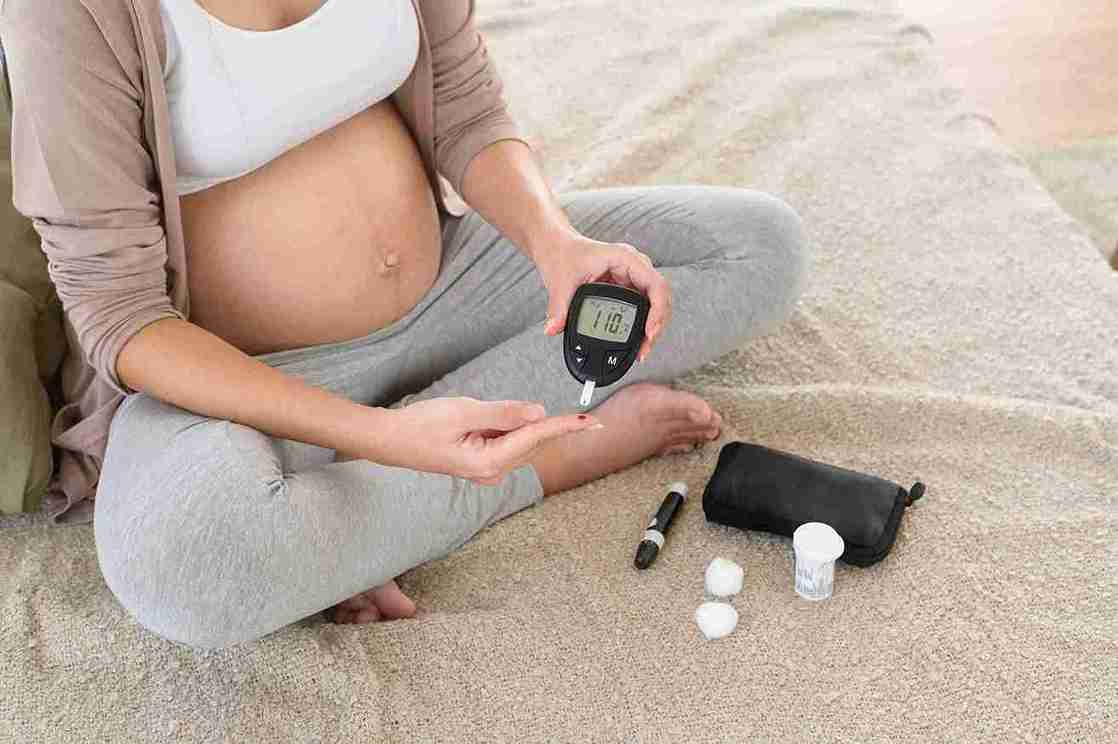
Diabetes is a condition where the blood glucose levels are high, and the insulin produced by the body is not sufficient to keep within a safe range. Diabetes can be classified into three types –
All three types of diabetes mentioned above can affect pregnancy.
In all three cases, the pregnant woman needs close monitoring throughout her pregnancy to ensure her blood glucose levels are within a safe range. If glucose levels are not controlled, it can lead to complications during pregnancy and affect the health of the developing baby.

Pregnancy causes many changes in the body. It can be difficult to keep track of symptoms and changes that may lead to a specific health concern like diabetes.
Some common symptoms of diabetes are excessive thirst, frequent urination, fatigue, and nausea, all of which are common symptoms of pregnancy as well. Hence, it is quite easy to miss these symptoms of diabetes. Most doctors prescribe regular blood tests, at least once every trimester, to monitor blood glucose and iron levels in the expectant mother.
Blood sugar is tested in the second trimester to assess the risk of developing gestational diabetes. Apart from a regular blood test to check the blood glucose, a glucose challenge and tolerance test will also be taken to assess how the body processes sugar soon after consumption or when the body is in a fasted state. If the expecting mother is at risk of diabetes, she may be asked to take more frequent blood tests.
Diabetes during pregnancy increases the risk of a C-section delivery, high blood pressure, or preeclampsia in the mother.
In babies, it can lead to increased birth weight, breathing issues at birth, premature birth, or fluctuations in blood glucose levels. After the delivery, the newborn can suffer from low blood sugar or hypoglycemia, which can lead to seizures. Uncontrolled diabetes during pregnancy also increases the risk of the baby developing type 2 diabetes later in life.
Managing Diabetes in Pregnancy
Managing blood glucose levels during pregnancy is very important, as very high or very low sugar levels can lead to severe consequences. A combination of tests and dietary changes can help effectively manage diabetes in pregnancy. A doctor will monitor pregnancy in the following ways –

Struggling with diabetes during pregnancy? Be it type 1, type 2, or gestational, the following tips can help pregnant women manage their diabetes effectively –
Diabetes in pregnancy is not an uncommon health complication anymore. Many women suffering from severe diabetes go on to have healthy children with the right medications and close monitoring to ensure the glucose levels are within a safe limit. If you are worried about diabetes during pregnancy, discuss it in detail with your doctor and understand the risks, complications, and management methods for a healthy and happy pregnancy.


Diabetes in pregnancy refers to gestational diabetes, where a healthy woman develops diabetes or high blood glucose levels during pregnancy. This condition usually starts around the 2nd trimester and will subside within weeks after the delivery. In very few cases, the gestational diabetes can convert to type 2 diabetes if the glucose levels do not subside to safe limits even weeks after the delivery.
There are three types of diabetes that can occur during pregnancy: Gestational Diabetes Mellitus (GDM): Diabetes that develops only during pregnancy and usually resolves after delivery. Type 1 Diabetes in Pregnancy: A pre-existing condition where the woman has type 1 diabetes before conception. Type 2 Diabetes in Pregnancy: A pre-existing condition where the woman has type 2 diabetes before becoming pregnant. Women with type 1 or type 2 diabetes are described as having diabetes in pregnancy, not gestational diabetes.
Pregnancy causes hormonal fluctuations and also alters the way many parts of the body function. When the insulin production is insufficient, or the pregnancy hormones interfere with the insulin production, it can lead to high glucose or low insulin levels and also impact the way insulin works, making it less effective.
Women with heart diseases, high blood pressure, obesity or weight issues, and PCOS are at a higher risk of developing diabetes in pregnancy. If she has a history of gestational diabetes or type 2 diabetes in the family, she can develop diabetes in pregnancy, especially if she is over 35 years old.


 Best Gynecologists in Bellandur Best Gynecologists in Electronic City Best Gynecologists in HRBR LayoutBest Gynecologists in Jayanagar Best Gynecologists in Kanakapura RoadBest Gynecologists in Malleswaram Best Gynecologists in Nagarbhavi Best Gynecologists in Old Airport RoadBest Gynecologists in Sahakarnagar Best Gynecologists in Sarjapur RoadBest Gynecologists in ThanisandraBest Gynecologists in Varthur RoadBest Gynecologists in Whitefield Best Gynecologists in Industrial Area Phase IIBest Gynecologists in OMRBest Gynecologists in T NagarBest Gynecologists in New Industrial TownBest Gynecologists in IndirapuramBest Gynecologists in Golf Course RoadBest Gynecologists in Sector 14Best Gynecologists in Sector 47Best Gynecologists in Banjara HillsBest Gynecologists in GachibowliBest Gynecologists in Hitech CityBest Gynecologists in KompallyBest Gynecologists in Gomti NagarBest Gynecologists in MaladBest Gynecologists in NerulBest Gynecologists in VashiBest Gynecologists in Kailash ColonyBest Gynecologists in PatparganjBest Gynecologists in Punjabi BaghBest Gynecologists in VikaspuriBest Gynecologists in Gaur CityBest Gynecologists in Pari ChowkBest Gynecologists in Sector 51Best Gynecologists in Sector 5 Swastik ViharBest Gynecologists in Kalyani NagarBest Gynecologists in SB RoadBest Gynecologists in Pimple SaudagarBest Pediatricians in BellandurBest Pediatricians in Electronic CityBest Pediatricians in HRBR LayoutBest Pediatricians in JayanagarBest Pediatricians in Kanakapura RoadBest Pediatricians in MalleswaramBest Pediatricians in NagarbhaviBest Pediatricians in Old Airport RoadBest Pediatricians in SahakarnagarBest Pediatricians in Sarjapur RoadBest Pediatricians in ThanisandraBest Pediatricians in Varthur RoadBest Pediatricians in WhitefieldBest Pediatricians in Industrial Area Phase IIBest Pediatricians in OMRBest Pediatricians in T NagarBest Pediatricians in New Industrial TownshipBest Pediatricians in IndirapuramBest Pediatricians in Golf Course RoadBest Pediatricians in Sector 14Best Pediatricians in Sector 47Best Pediatricians in Hitech CityBest Pediatricians in Banjara HillsBest Pediatricians in GachibowliBest Pediatricians in KompallyBest Pediatricians in Gomti NagarBest Pediatricians in MaladBest Pediatricians in NerulBest Pediatricians in VashiBest Pediatricians in Kailash ColonyBest Pediatricians in PatparganjBest Pediatricians in Punjabi BaghBest Pediatricians in VikaspuriBest Pediatricians in Gaur CityBest Pediatricians in Pari ChowkBest Pediatricians in Sector 51Best Pediatricians in Sector 5 Swastik ViharBest Pediatricians in Kalyani NagarBest Pediatricians in SB RoadBest Pediatricians in Pimple Saudagar


