
You notice swelling down there. It is uncomfortable. Maybe it hurts. You are worried but too embarrassed to talk about it. You are not alone. Vaginal inflammation and swelling happen to most women at some point. It is one of the most common reasons women see a gynaecologist.
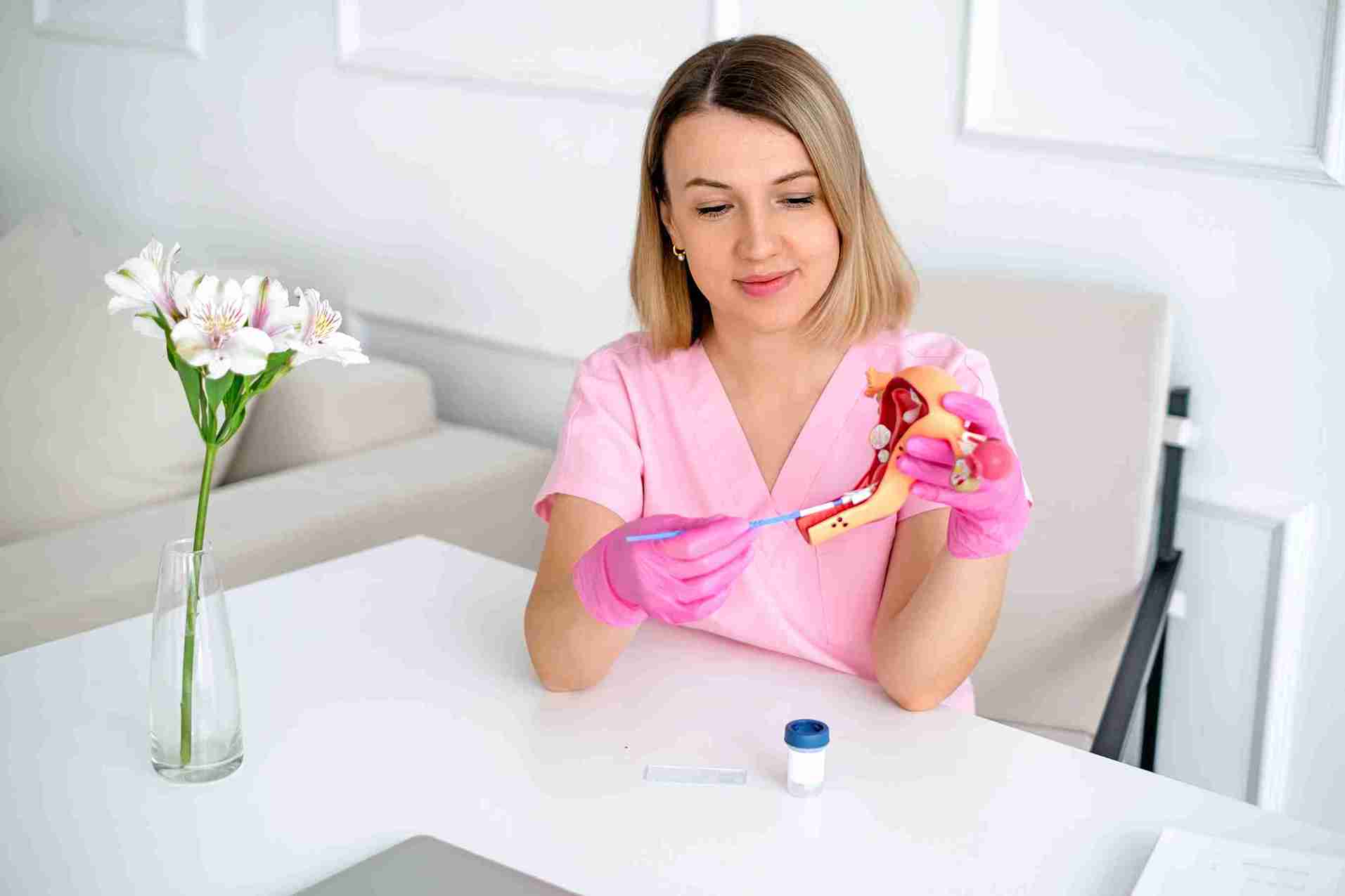
First, let us get clear on what we are talking about. Your vulva is the outside part, the lips (labia), clitoris, and the opening to your vagina. Your vagina is the inside part, the canal leading to your cervix and uterus. Swelling can happen in either area. Sometimes the outside looks puffy. Sometimes it feels swollen inside. Sometimes both. The swelling might be accompanied by itching, burning, pain, unusual discharge, or redness. Or it might just be swelling with no other symptoms.
Understanding common causes of swelling helps you figure out what is going on and what to do about it.
Infections are the leading cause of swelling. There are three types of infections:
Yeast Infections: About 75% of women get at least one. The Candida fungus causes it. You will notice thick white discharge, intense itching, burning when you urinate, and swelling. Hot, humid weather makes it worse.
Bacterial Vaginosis: When bad bacteria take over, you get bacterial vaginosis or BV. Signs include greyish discharge with a fishy smell and, sometimes, swelling.
STIs: Sexually transmitted infections (STIs) can cause swelling along with painful sores, unusual discharge, and burning.
Your vagina is sensitive. Products that touch it can cause swelling:
Scented soaps, body washes.
Detergents that are used to wash underwear.
Scented sanitary pads or tampons.
Latex condoms.
Lubricants.
Douches or feminine hygiene sprays.
Bartholin's Cyst
You have two pea-sized glands on either side of your vaginal opening. They make fluid for lubrication. If the glands get blocked, a cyst forms. If it gets infected, it becomes an abscess - painful, swollen, and hot when you touch.
Sex without enough lubrication, rough sex, or using tampons or menstrual cups incorrectly can cause tiny tears and swelling. Cycling, horse riding, or wearing too-tight jeans for hours can also irritate the area.
Increased blood flow to your genitals during pregnancy can cause swelling. It is normal, but it can be uncomfortable. Some pregnant women develop vulvar varicosities, which are swollen veins in the vulva that look and feel like bumps.
Your hormones change throughout your cycle. Some women notice swelling and bloating before their period. The area might feel fuller and more sensitive.
Conditions like eczema, lichen sclerosus, or contact dermatitis can affect your vulva just like they affect other parts of your skin, causing redness, itching, and swelling.
Let us talk about vaginal swelling infection causes since infections are so common.
Infections cause swelling because your body is fighting back. White blood cells rush in, causing inflammation. Common infection sources are not changing pads often enough, wiping back to front, wearing wet or sweaty clothes for hours, tight synthetic underwear, unprotected sex, and diabetes, making you prone to yeast infections. Public toilets, shared towels at gyms or swimming pools can also spread infections.
Vaginal or vulvar swelling treatment depends on what is causing it. Here is what helps:
Cold Compress: Wrap ice in a clean cloth and hold it against the swollen area for 10 minutes.
Sitz Bath: Sit in shallow warm water for 10-15 minutes, 2-3 times daily. Add salt if you want.
Wear Cotton Underwear: Cotton breathes. Change daily, twice if you sweat a lot.
Skip Tight Clothes: Give those tight jeans a break. Wear loose clothes.
Stop Using Irritants: If you suspect a product is causing the problem, stop using it.
Keep it Dry: After bathing, gently pat the area dry.
For Yeast Infections: Antifungal creams or tablets. You can get some over the counter at chemists, like Candid cream or Fluconazole tablets. But see a doctor if it is your first time or if it keeps coming back.
For Bacterial Infections: Your doctor may prescribe antibiotics such as metronidazole or similar medications.
For STIs: Specific antibiotics or antiviral medications can treat this. It depends on which infection you have.
For Bartholin's Cyst: If small, a warm compress may help it drain. If it is large or infected, the doctor may need to drain it or prescribe antibiotics.
For Allergic Reactions: Stop the irritant. Ask your doctor for a cream to reduce inflammation.

Wipe Front to Back: Always. This stops any stool bacteria from spreading to your vaginal area.
Clean Properly: Use plain water or mild soap. Your vagina cleans itself; don't apply soap inside of it.
Change Pads or Tampons Regularly: Usually every 4-6 hours, or earlier if they are full.
Pass Urine After Sex and Wash Up: Do this every single time, as it can flush out bacteria.
Safe Sex: Use condoms to protect yourself from STIs.
Breathable Fabrics: Cotton underwear, loose clothes.
Stay Dry: Change out of wet or sweaty clothes quickly.
Healthy Diet: Eating curd helps maintain good bacteria. Cutting sugar can prevent yeast infections.
Most vaginal swelling is not dangerous. But some situations need urgent care:
Sudden severe pain and swelling
High fever with swelling
Unable to urinate
Pregnant and experiencing swelling with other symptoms
Don't wait. Go to a hospital or gynaecologist immediately.
Women often feel too embarrassed to discuss down-there problems. We suffer silently, use random home remedies, or ask the chemist for medicines without a proper diagnosis.
This needs to stop. Your vaginal health is part of your overall health. There is nothing shameful about getting medical help. Gynaecologists see these problems every single day. They do not judge you. They want to help you feel better.

Swelling down there is common. It is usually not serious. Most of the time, simple treatments work. Pay attention to your body. If something feels off, don't ignore it. Home remedies are fine for mild symptoms, but see a doctor if things aren't improving or getting worse. Your vagina does a lot for you, like menstruation, sex, and childbirth. Take care of it.

Yes, some swelling and fullness before and during periods is normal. Hormonal changes increase blood flow to your pelvic area, making the tissues slightly swollen. Many women notice their vulva feels fuller or more sensitive. This usually is not painful; it is just different. However, if the swelling is severe, very painful, or accompanied by unusual discharge, it might be an infection, not just your period, and it is time to see a doctor.
Absolutely. Allergic reactions to products are a common cause of vulvar swelling. Culprits are scented soaps, detergents, fabric softeners, sanitary pads, tampons, condoms, lubricants, or even toilet paper. The reaction causes redness, itching, and swelling. To fix it, stop using the product that is causing trouble. The swelling usually goes down in a few days. If it does not, see a doctor; they might prescribe steroid cream to reduce inflammation.
Yes, pregnancy often causes vaginal and vulvar swelling. Increased blood volume and flow to your pelvic area during pregnancy can cause tissues to swell. Some women develop vulvar varicosities, which are swollen veins in the vulva that usually appear in the second trimester. These look like bumps and can be uncomfortable, but are not dangerous. They usually disappear 4-6 weeks after delivery. However, tell your doctor about any swelling during pregnancy to rule out infections or other problems.
It depends on the cause. Swelling from friction or mild irritation may resolve in 1-2 days with rest and home treatment. Allergic reactions usually resolve within 3-5 days of stopping the irritant. Yeast infections generally resolve within a week with proper treatment. Bacterial infections need antibiotics and improve in a few days. Bartholin's cysts might take 1-2 weeks to resolve. If swelling lasts more than a week or gets worse, see a doctor.







 Best Gynecologists in Bellandur Best Gynecologists in Electronic City Best Gynecologists in HRBR LayoutBest Gynecologists in Jayanagar Best Gynecologists in Kanakapura RoadBest Gynecologists in Malleswaram Best Gynecologists in Nagarbhavi Best Gynecologists in Old Airport RoadBest Gynecologists in Sahakarnagar Best Gynecologists in Sarjapur RoadBest Gynecologists in ThanisandraBest Gynecologists in Varthur RoadBest Gynecologists in Whitefield Best Gynecologists in Industrial Area Phase IIBest Gynecologists in OMRBest Gynecologists in T NagarBest Gynecologists in New Industrial TownBest Gynecologists in IndirapuramBest Gynecologists in Golf Course RoadBest Gynecologists in Sector 14Best Gynecologists in Sector 47Best Gynecologists in Banjara HillsBest Gynecologists in GachibowliBest Gynecologists in Hitech CityBest Gynecologists in KompallyBest Gynecologists in Gomti NagarBest Gynecologists in MaladBest Gynecologists in NerulBest Gynecologists in VashiBest Gynecologists in Kailash ColonyBest Gynecologists in PatparganjBest Gynecologists in Punjabi BaghBest Gynecologists in VikaspuriBest Gynecologists in Gaur CityBest Gynecologists in Pari ChowkBest Gynecologists in Sector 51Best Gynecologists in Sector 5 Swastik ViharBest Gynecologists in Kalyani NagarBest Gynecologists in SB RoadBest Gynecologists in Pimple SaudagarBest Pediatricians in BellandurBest Pediatricians in Electronic CityBest Pediatricians in HRBR LayoutBest Pediatricians in JayanagarBest Pediatricians in Kanakapura RoadBest Pediatricians in MalleswaramBest Pediatricians in NagarbhaviBest Pediatricians in Old Airport RoadBest Pediatricians in SahakarnagarBest Pediatricians in Sarjapur RoadBest Pediatricians in ThanisandraBest Pediatricians in Varthur RoadBest Pediatricians in WhitefieldBest Pediatricians in Industrial Area Phase IIBest Pediatricians in OMRBest Pediatricians in T NagarBest Pediatricians in New Industrial TownshipBest Pediatricians in IndirapuramBest Pediatricians in Golf Course RoadBest Pediatricians in Sector 14Best Pediatricians in Sector 47Best Pediatricians in Hitech CityBest Pediatricians in Banjara HillsBest Pediatricians in GachibowliBest Pediatricians in KompallyBest Pediatricians in Gomti NagarBest Pediatricians in MaladBest Pediatricians in NerulBest Pediatricians in VashiBest Pediatricians in Kailash ColonyBest Pediatricians in PatparganjBest Pediatricians in Punjabi BaghBest Pediatricians in VikaspuriBest Pediatricians in Gaur CityBest Pediatricians in Pari ChowkBest Pediatricians in Sector 51Best Pediatricians in Sector 5 Swastik ViharBest Pediatricians in Kalyani NagarBest Pediatricians in SB RoadBest Pediatricians in Pimple Saudagar


