
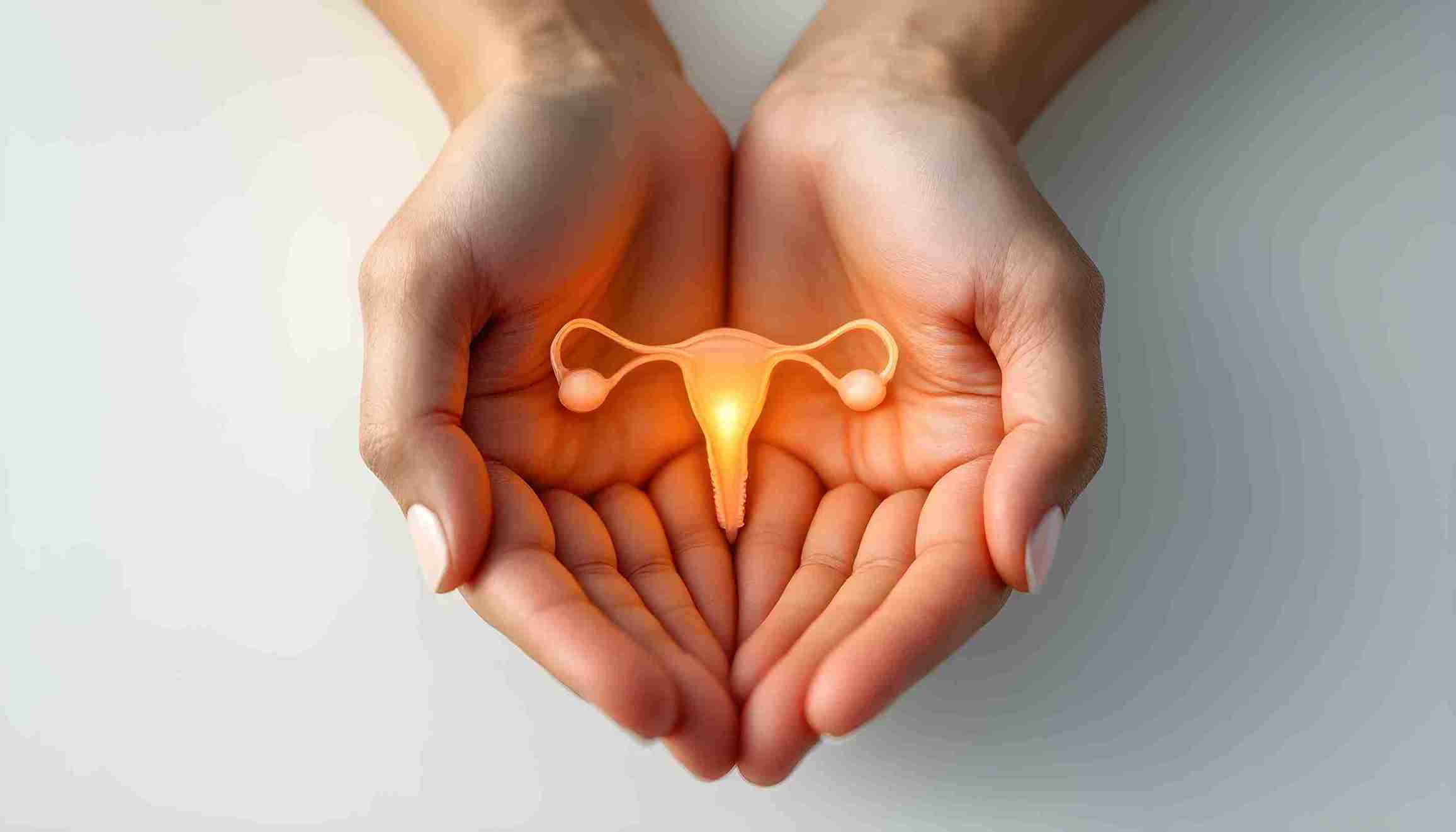
Ovaries are small, oval-shaped reproductive organs situated on either side of the uterus. They are a crucial part of the menstrual cycle, as they release eggs and produce essential hormones like estrogen and progesterone. These hormones are responsible for regulating menstrual cycles, bone health, metabolism, and many other functions in the body. During a routine gynaecological checkup or a pelvic ultrasound, a doctor may measure the size of the ovary to determine the overall reproductive health of a woman. Ovarian measurement can help identify cysts, hormonal imbalances, or anatomical abnormalities. Doctors often compare findings with expected ranges, such as right and left ovary normal size in mm, to evaluate whether the ovaries fall within the usual healthy range.

Ovaries can be measured using ultrasound imaging, which is the most accurate and commonly used diagnostic technique. When imaging is performed, the following measurements are taken by doctors:
Ovary size is measured in centimetres (cm) or millimetres (mm). It is crucial to note that “normal ovary size” is not a specific value but a range of values. Ovary size can naturally differ depending on age, menstrual cycle phase, hormonal composition, and individual differences in the body.
When talking about the right and left ovary normal size in cm, most medical sources state that the average size of the ovaries in women of childbearing age is as follows:
These measurements are commonly used in ultrasound-based gynaecological examinations.
When talking about the normal size of the right and left ovary in terms of millimetres, the same measurements apply:
Ovarian volume in reproductive-age women typically ranges around 3 – 10 mL, with many clinical references commonly observing about 4 – 8 mL.
These measurements may vary slightly depending on:

In most women, both ovaries are usually of similar size. But minor variations are extremely common and normal.
The most important clinical knowledge includes:
Some research indicates that one ovary may be slightly larger than the other, but this is not usually significant in a healthy woman.
When referring to the left ovary normal size in mm, the expected range is the same as the normal ovary size in women:
When measurements are slightly higher or lower than the expected range, doctors do not usually consider them abnormal immediately. They assess:
Doctors usually assess variations over time because ovarian size may vary naturally throughout the menstrual cycle.
.jpg)
Ovary size is important as it assists doctors in:
However, it is crucial to note that ovary size does not dictate fertility. Fertility is influenced by several factors, including:
Studies have also indicated that ovarian volume varies with life stages and is greatly affected by age.
Myth 1: Larger ovaries mean greater fertility
Fact: Not really. Fertility is influenced by egg quality, hormones, and reproductive health.
Myth 2: Smaller ovaries always indicate infertility
Fact: Not at all. Women with smaller ovaries still get pregnant.
Myth 3: Both ovaries must be of equal size
Fact: Not really. Symmetry is not necessary for normal function.
Myth 4: Ovary size remains constant
Fact: Not really. Ovary size varies with age, hormonal changes, and phases of the menstrual cycle
Cloudnine stands out with its integrated women’s health system, which combines the latest diagnostic technology, experienced gynaecologists, and evidence-based treatment strategies. The aim is to provide comprehensive ultrasound scans, early detection of gynaecological problems, and personalised treatment strategies. Cloudnine integrates endocrinology, fertility specialists, and imaging experts to prioritise accurate diagnoses over broad, generic solutions. Along with treatment, they also impart patient education, ensuring that patients can clearly understand their results, measurements, and follow-up plans. This helps alleviate concerns regarding specific findings, such as differences in ovary size.
The normal size of the ovary varies within a normal range and may vary slightly from one side to the other without any indication of a problem. The size of the ovary, as measured by ultrasound in centimetres or millimetres, must be interpreted in the context of symptoms, hormonal status, and overall clinical context. Being aware of the normal size of the right and left ovaries in centimetres and millimetres can alleviate unnecessary anxiety when interpreting the results of an ultrasound scan. If you are concerned about the size of your ovaries or associated symptoms, it is best to seek advice from an experienced gynaecologist.

Want to consult the best gynecologists in India? Please find the links below.

If abnormal size is accompanied by symptoms such as stabbing pelvic pain, irregular menstrual cycle, or constant bloating, it is recommended to consult a physician.
This is normally the case. Sometimes, there may be temporary swelling due to ovulation or follicular development.
No. Fertility is not directly related to the size of the ovary. Fertility is related to ovarian reserve, hormones, egg quality, and overall reproductive function.
These may include pelvic pain, a sensation of fullness in the abdomen, irregular menstrual cycle, pain during intercourse, although many women with an enlarged ovary do not present with symptoms.







 Best Gynecologists in Bellandur Best Gynecologists in Electronic City Best Gynecologists in HRBR LayoutBest Gynecologists in Jayanagar Best Gynecologists in Kanakapura RoadBest Gynecologists in Malleswaram Best Gynecologists in Nagarbhavi Best Gynecologists in Old Airport RoadBest Gynecologists in Sahakarnagar Best Gynecologists in Sarjapur RoadBest Gynecologists in ThanisandraBest Gynecologists in Varthur RoadBest Gynecologists in Whitefield Best Gynecologists in Industrial Area Phase IIBest Gynecologists in OMRBest Gynecologists in T NagarBest Gynecologists in New Industrial TownBest Gynecologists in IndirapuramBest Gynecologists in Golf Course RoadBest Gynecologists in Sector 14Best Gynecologists in Sector 47Best Gynecologists in Banjara HillsBest Gynecologists in GachibowliBest Gynecologists in Hitech CityBest Gynecologists in KompallyBest Gynecologists in Gomti NagarBest Gynecologists in MaladBest Gynecologists in NerulBest Gynecologists in VashiBest Gynecologists in Kailash ColonyBest Gynecologists in PatparganjBest Gynecologists in Punjabi BaghBest Gynecologists in VikaspuriBest Gynecologists in Gaur CityBest Gynecologists in Pari ChowkBest Gynecologists in Sector 51Best Gynecologists in Sector 5 Swastik ViharBest Gynecologists in Kalyani NagarBest Gynecologists in SB RoadBest Gynecologists in Pimple SaudagarBest Pediatricians in BellandurBest Pediatricians in Electronic CityBest Pediatricians in HRBR LayoutBest Pediatricians in JayanagarBest Pediatricians in Kanakapura RoadBest Pediatricians in MalleswaramBest Pediatricians in NagarbhaviBest Pediatricians in Old Airport RoadBest Pediatricians in SahakarnagarBest Pediatricians in Sarjapur RoadBest Pediatricians in ThanisandraBest Pediatricians in Varthur RoadBest Pediatricians in WhitefieldBest Pediatricians in Industrial Area Phase IIBest Pediatricians in OMRBest Pediatricians in T NagarBest Pediatricians in New Industrial TownshipBest Pediatricians in IndirapuramBest Pediatricians in Golf Course RoadBest Pediatricians in Sector 14Best Pediatricians in Sector 47Best Pediatricians in Hitech CityBest Pediatricians in Banjara HillsBest Pediatricians in GachibowliBest Pediatricians in KompallyBest Pediatricians in Gomti NagarBest Pediatricians in MaladBest Pediatricians in NerulBest Pediatricians in VashiBest Pediatricians in Kailash ColonyBest Pediatricians in PatparganjBest Pediatricians in Punjabi BaghBest Pediatricians in VikaspuriBest Pediatricians in Gaur CityBest Pediatricians in Pari ChowkBest Pediatricians in Sector 51Best Pediatricians in Sector 5 Swastik ViharBest Pediatricians in Kalyani NagarBest Pediatricians in SB RoadBest Pediatricians in Pimple Saudagar


