
Planning a family vacation can be exciting, and parents who plan it want to ensure their kids are healthy enough to enjoy it. Whether travelling domestically or internationally, learning health tips and planning ahead will help ensure your family vacation is safe and enjoyable. Children may face specific struggles while travelling, such as motion sickness on long car rides or other forms of transportation. This guide covers everything parents need to know about their children's health during travel.
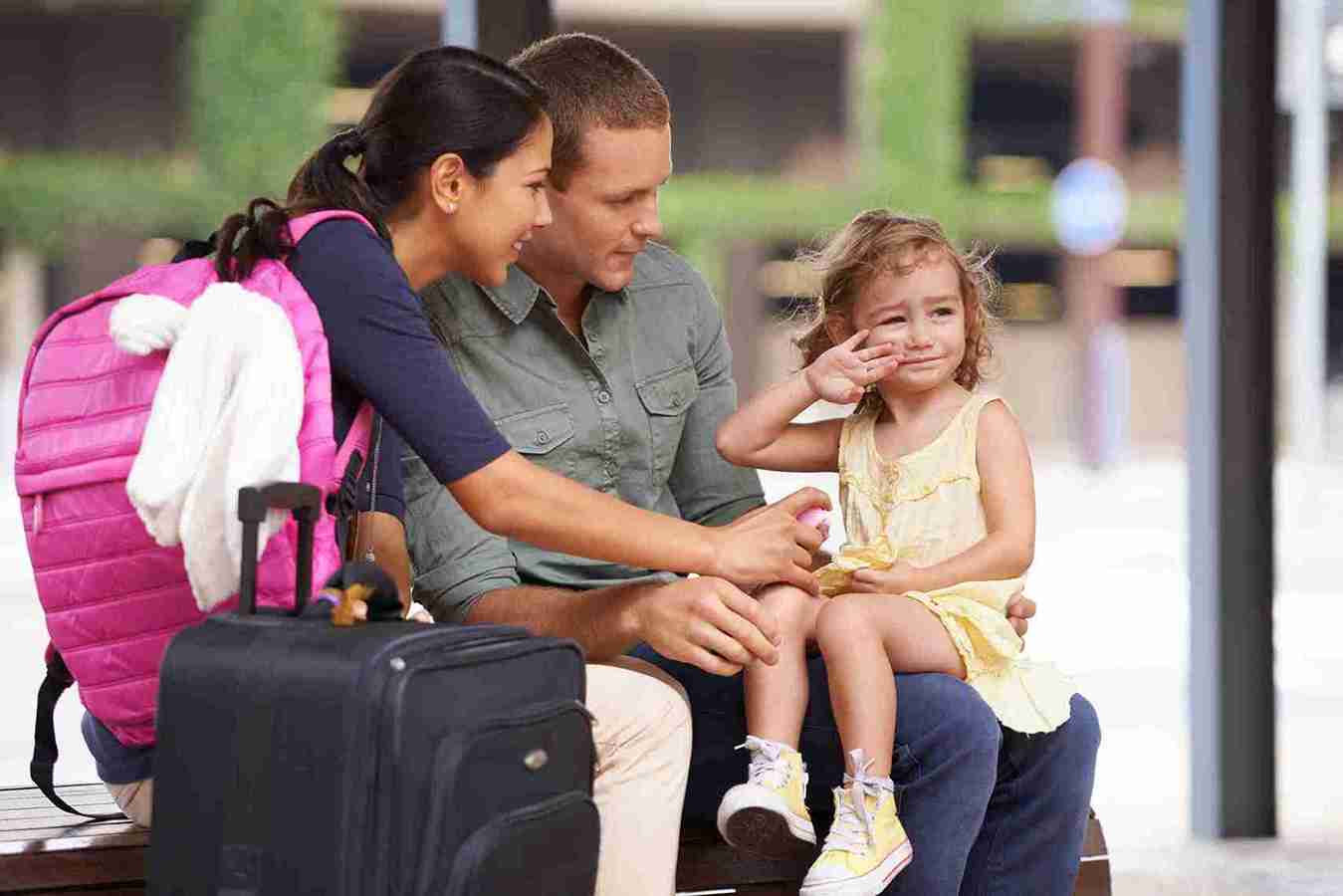
One of the most important parts of any travel health guide is ensuring your child's shots are up to date. Schedule an appointment with your child's doctor at least four to six weeks before departure. This timeline allows vaccines to take effect and accommodates multi-dose schedules if needed.
When travelling abroad, children might need special vaccines depending on the destination. Common vaccines for kids before travel include hepatitis A and typhoid.
Some vaccines can be given earlier than usual for travel purposes. For example, babies as young as six months can receive the measles, mumps, and rubella vaccine if travelling internationally, even though it's normally given at 12 months.
Certain countries are very particular and require specific vaccines in order to enter. Yellow fever vaccination is mandatory if you need to travel to certain parts of Africa and South America. You need to have a meningococcal vaccination to travel to Saudi Arabia. Check the vaccination requirements for your destination well in advance and plan accordingly.
Children travelling to malaria-prone areas need preventive medication. Consult a healthcare provider well in advance to determine the appropriate antimalarial drug and dosage for your child—store medicines in childproof containers. Medication helps lower the risk of malaria, but it's still important to use insect repellent and protective clothing to prevent mosquito bites.
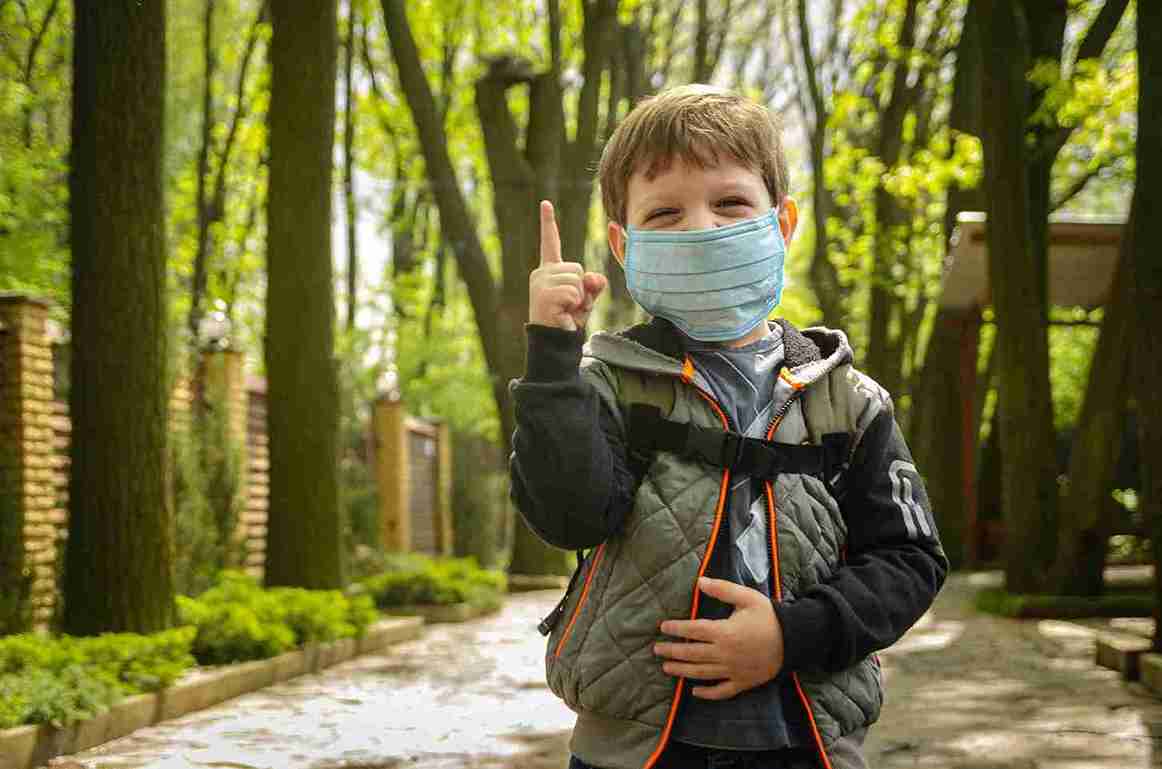
Kids' travel safety includes managing motion sickness, which affects children more than adults. The constant movement of cars, planes, trains, and boats can make kids feel queasy. Understanding how to prevent and treat motion sickness makes trips more pleasant for everyone.
Try giving your child a light snack about 30 minutes before you leave. An empty stomach can make nausea worse, but heavy or greasy foods can too — so keep it small and simple. During the journey, have them look at something steady in the distance, and let in some fresh air if possible.
On flights, the area over the wings tends to feel more stable. In cars, the front seat usually offers less movement than the back seat, but for safety reasons, children should always sit in the back in a proper car seat or booster seat suited to their age and size. When travelling by boat, being on deck can help, as the fresh air and view of the horizon often reduce discomfort.
For longer journeys, plan a few breaks so children can get out, stretch, and move around. Pack simple distractions like music or audiobooks, but avoid reading or screen time, as these can worsen symptoms. Travel sickness medication may help some children, but it’s best to speak with your doctor about the safest and most suitable option.
Tummy upsets are quite common while travelling, and children tend to catch them more easily. Their bodies haven’t yet built up protection against many of the germs found in new places. Being careful about what they eat and drink can reduce the risk. If your child develops diarrhoea, the main thing to watch for is dehydration, so keep offering fluids, including oral rehydration solutions. Babies should continue with their usual breastfeeds or formula. Get medical help straight away if the diarrhoea is severe, lasts for more than 2 days, or comes with fever or blood.
Give children bottled, canned, or boiled water. Don’t use tap water for drinking, brushing teeth, or making ice cubes. If bottled water isn't available, boil water until it reaches a rolling boil (1–3 minutes, depending on altitude)
When it comes to food, here are some tips:
● Stick to fully cooked foods, served hot.
● Avoid raw fresh fruits and vegetables, unless they are peeled by you.
● Serve children only pasteurised milk and dairy products.
● Breastfeeding babies is the safest option while travelling.
Handwashing is one of the simplest ways to prevent infections. Make sure children wash their hands before meals and after using the toilet. If soap and water aren’t available, use an alcohol-based hand sanitiser.

Flying with babies requires extra planning. Changes in air pressure can cause ear pain in infants. Use a pacifier during takeoff and landing to equalise pressure. Pack enough diapers, wipes, and formula for the flight plus extras. Bring a change of clothes for both you and the baby. Many airlines offer early boarding for families.
Every family should have a basic health kit. Here is a list of what to include in it:
● Essential Medications
● Any prescription medications your child uses regularly
● Children’s pain reliever and fever reducer (acetaminophen or ibuprofen)
● Thermometer
● Oral Rehydration Solution (ORS) packets
● First Aid Items
● Adhesive Bandages
● Antiseptic
● Anti-itch cream for bug bites
● Sun and Bug Protection
● Sunscreens with High SPF
● Insect repellent suitable for your child’s age group
Bring medications in original containers, keeping them safely out of children's reach. Keep your child’s immunisation records and any documents about their medical conditions, such as chronic illnesses, easily accessible when you travel.
Once you arrive, please continue good health habits. Establish regular sleep schedules, as sick and/or overtired children are more likely to become sick. Change your clocks and watches to your local standard time as soon as you arrive.
When outside, children need to be protected from the sun with high SPF sunscreen and clothing. It is best to avoid the sun when it is high overhead at midday. Heat stroke and dehydration can be major dangers in a hot climate.
Supervise children when they’re near animals. Remind children to avoid touching or petting animals, even if they seem friendly. If a child is bitten, scratched, or licked by any animal, wash the area immediately and seek prompt medical help.
If your child feels sick, seek medical attention locally. Carry your insurance details with you so you can quickly find and access the nearest hospital if needed. If a child has a fever after travelling to an area with malaria, get medical help immediately.

Travelling with children is easier when you think ahead. Schedule vaccinations in advance and take some time to understand any health risks at your destination. Pack a simple medical kit and remain vigilant with food and water. A bit of planning can help your family relax and enjoy the journey instead of stressing about illness.

Offer kids light snacks half an hour to one hour before travel, and avoid heavy food. Plan their seating in areas with the least movement, like over the wings of the plane or the front of a boat. Encourage looking at distant, fixed objects outside rather than reading or using screens. Open windows slightly for fresh air. Make frequent stops on long trips to stretch and walk. Consider age-appropriate motion sickness medication after consulting your doctor. These strategies work together to significantly reduce symptoms.
Have infants nurse, drink from a bottle, or use a pacifier during takeoff and landing to help equalise ear pressure. Pack extra diapers, formula, and changes of clothes in carry-on luggage. Bring your baby's car seat if you purchased a separate seat, as it's the safest option during a flight. Many airlines offer early boarding for families. Choose less crowded flights when possible to increase chances of having extra space. Continue regular feeding schedules to keep babies comfortable.
Schedule a doctor's appointment four to six weeks before your trip. This timing allows vaccines to become fully effective and accommodates multiple doses if needed. Some vaccines require several weeks to take effect, while others require boosters. If your trip is coming up soon, it’s still worth making an appointment—partial protection is better than none. Discuss your specific destination with your doctor, as different countries have different vaccine requirements and recommendations for children.
Only give bottled, boiled, or purified water for drinking and brushing teeth. Avoid tap water and ice cubes. Stick to freshly cooked, hot foods and peel fruits and vegetables yourself. Avoid street food and unpasteurised dairy. Encourage regular handwashing or use a sanitiser when needed. Breastfeeding babies is a safe option, and carrying oral rehydration solutions is wise in case diarrhoea occurs. These simple steps can help reduce the risk of stomach infections while travelling.







 Best Gynecologists in Bellandur Best Gynecologists in Electronic City Best Gynecologists in HRBR LayoutBest Gynecologists in Jayanagar Best Gynecologists in Kanakapura RoadBest Gynecologists in Malleswaram Best Gynecologists in Nagarbhavi Best Gynecologists in Old Airport RoadBest Gynecologists in Sahakarnagar Best Gynecologists in Sarjapur RoadBest Gynecologists in ThanisandraBest Gynecologists in Varthur RoadBest Gynecologists in Whitefield Best Gynecologists in Industrial Area Phase IIBest Gynecologists in OMRBest Gynecologists in T NagarBest Gynecologists in New Industrial TownBest Gynecologists in IndirapuramBest Gynecologists in Golf Course RoadBest Gynecologists in Sector 14Best Gynecologists in Sector 47Best Gynecologists in Banjara HillsBest Gynecologists in GachibowliBest Gynecologists in Hitech CityBest Gynecologists in KompallyBest Gynecologists in Gomti NagarBest Gynecologists in MaladBest Gynecologists in NerulBest Gynecologists in VashiBest Gynecologists in Kailash ColonyBest Gynecologists in PatparganjBest Gynecologists in Punjabi BaghBest Gynecologists in VikaspuriBest Gynecologists in Gaur CityBest Gynecologists in Pari ChowkBest Gynecologists in Sector 51Best Gynecologists in Sector 5 Swastik ViharBest Gynecologists in Kalyani NagarBest Gynecologists in SB RoadBest Gynecologists in Pimple SaudagarBest Pediatricians in BellandurBest Pediatricians in Electronic CityBest Pediatricians in HRBR LayoutBest Pediatricians in JayanagarBest Pediatricians in Kanakapura RoadBest Pediatricians in MalleswaramBest Pediatricians in NagarbhaviBest Pediatricians in Old Airport RoadBest Pediatricians in SahakarnagarBest Pediatricians in Sarjapur RoadBest Pediatricians in ThanisandraBest Pediatricians in Varthur RoadBest Pediatricians in WhitefieldBest Pediatricians in Industrial Area Phase IIBest Pediatricians in OMRBest Pediatricians in T NagarBest Pediatricians in New Industrial TownshipBest Pediatricians in IndirapuramBest Pediatricians in Golf Course RoadBest Pediatricians in Sector 14Best Pediatricians in Sector 47Best Pediatricians in Hitech CityBest Pediatricians in Banjara HillsBest Pediatricians in GachibowliBest Pediatricians in KompallyBest Pediatricians in Gomti NagarBest Pediatricians in MaladBest Pediatricians in NerulBest Pediatricians in VashiBest Pediatricians in Kailash ColonyBest Pediatricians in PatparganjBest Pediatricians in Punjabi BaghBest Pediatricians in VikaspuriBest Pediatricians in Gaur CityBest Pediatricians in Pari ChowkBest Pediatricians in Sector 51Best Pediatricians in Sector 5 Swastik ViharBest Pediatricians in Kalyani NagarBest Pediatricians in SB RoadBest Pediatricians in Pimple Saudagar


