


The egg follicle size for conceiving plays a crucial role in successful ovulation and pregnancy. A mature follicle typically measures around 18–24 mm before ovulation, which is considered an optimal range for releasing a healthy egg. The correct size of the egg for conception is essential because it indicates the maturity of the egg and its readiness for conception. But it is not just the size of the egg that matters in conception; the quality of the egg, hormones, sperm, and timing are also equally important.
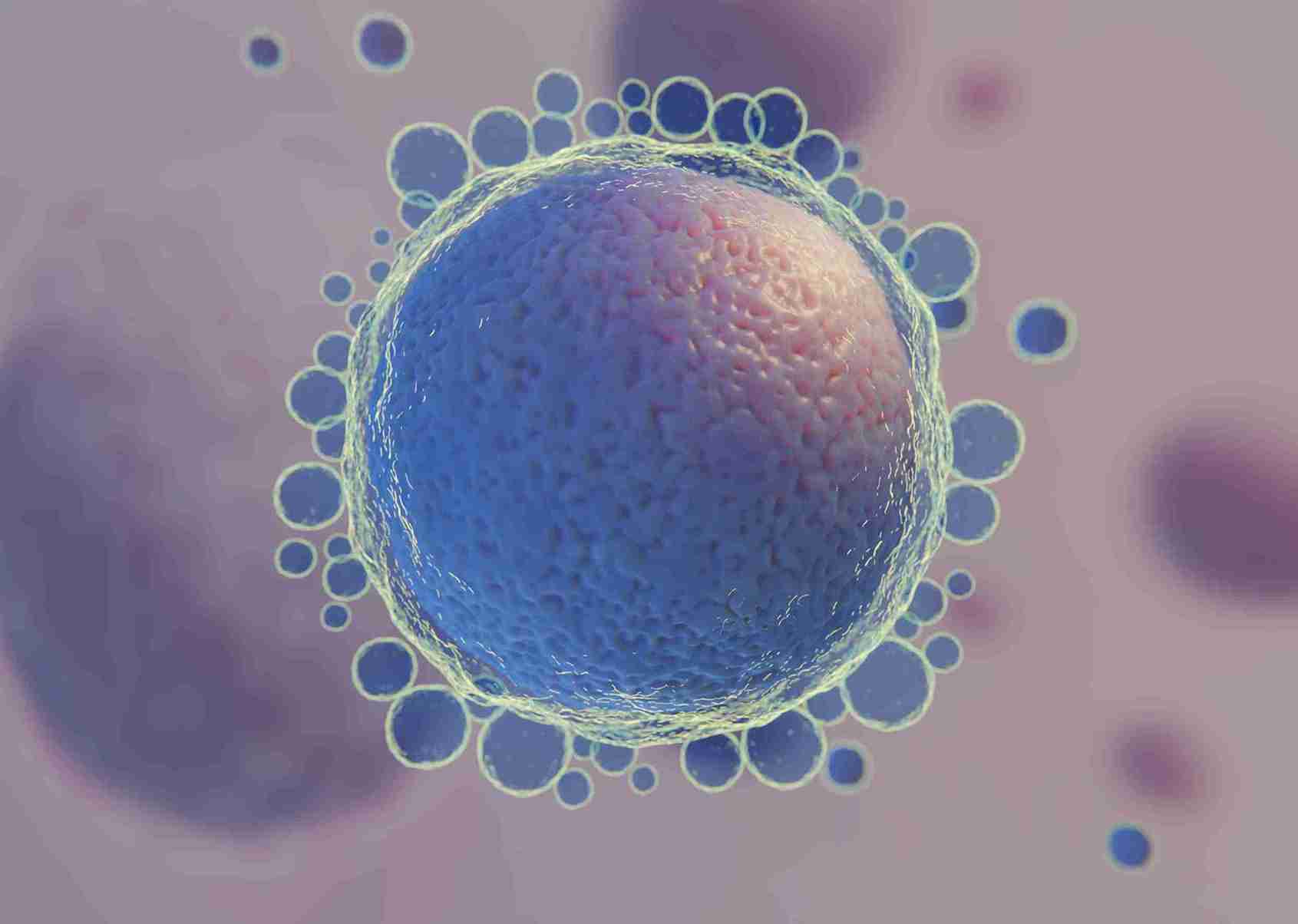
Most people believe that the larger the follicles, the better the chances of conception. But the truth is that there is a maximum size of the egg for conception, beyond which the quality of the egg starts to deteriorate. Conception is not just a matter of biology and timing; it also involves the overall reproductive health of the individual.
An ovarian follicle is a fluid-filled structure in the ovary that contains an immature egg. In every menstrual cycle, a few ovarian follicles start developing, but only one usually becomes the prominent follicle and ovulates.
It is essential to note the difference between the two:
The structure that contains and sustains the egg.
The reproductive cell that ovulates.
The follicle is measured using ultrasound during fertility treatment cycles.

The ideal egg follicle size for conceiving is slightly different for everyone, but the general range is as follows:
The follicle is usually mature and ready to ovulate when it reaches a size of 18-22 mm.
Research has also indicated that ovulation normally occurs when the follicle has reached a size of 18-24 mm, which is the best size for conception to occur. However, conception may also occur when the follicle size is slightly smaller (16-18 mm), depending on the maturity of the egg and the hormonal levels.
The minimum egg size to conceive is about 18 mm or larger, as this is normally an indication that the egg is fully mature.
General guidelines:
Maturity is more important than size. A slightly smaller follicle may still ovulate if the hormonal stimulation is strong.
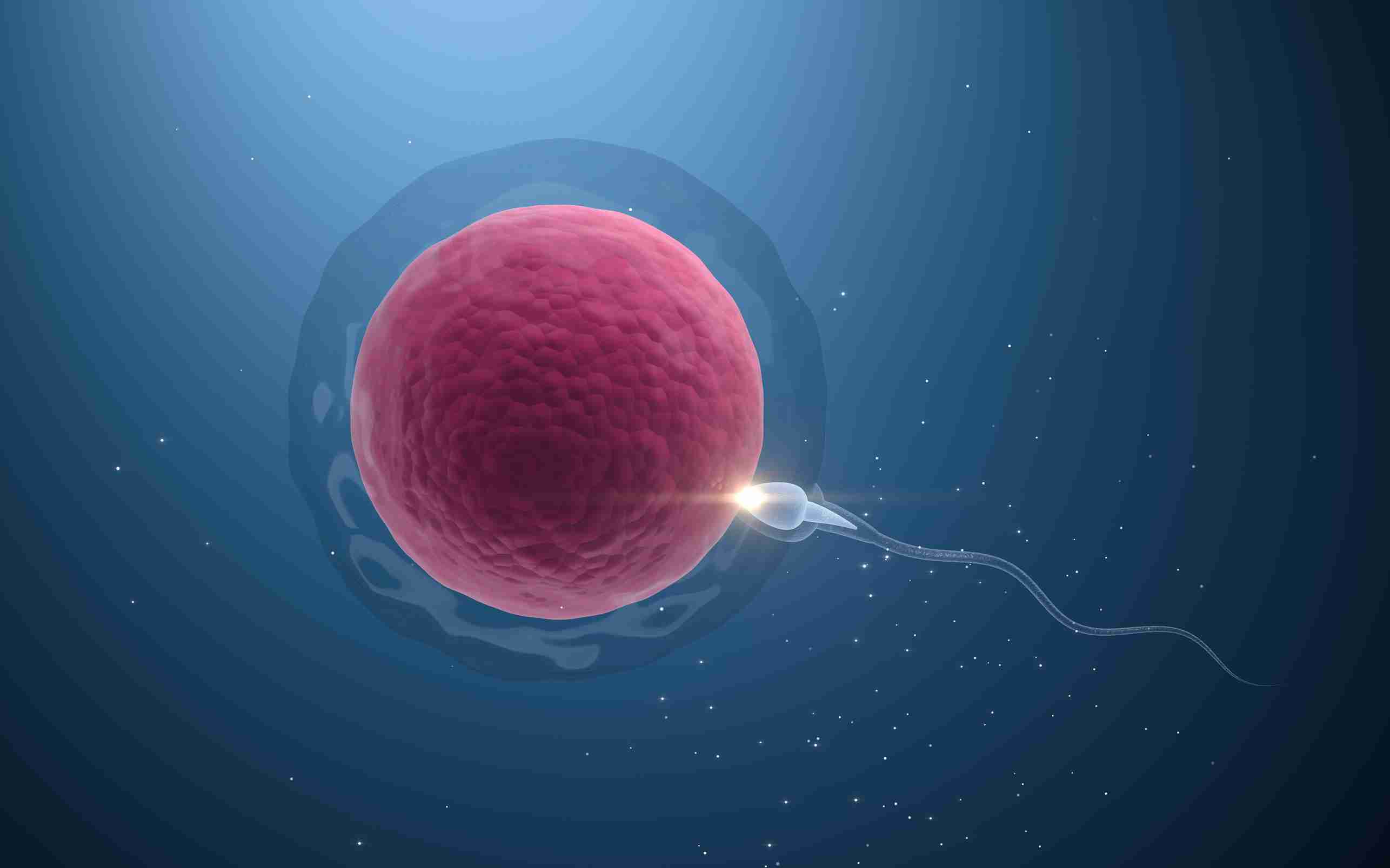
The maximum egg size to get pregnant is usually about 24-26 mm. After this, the follicles may become overmature.
Important considerations:
Bigger is not always better. Overmature follicles may release eggs that have lower fertilisation ability.
Follicles usually grow 1-2 mm per day during the late follicular phase.
This rate of growth helps doctors determine the timing of ovulation and schedule fertility treatments. This is especially important for:

Not necessarily. Follicle size does not always mean egg quality. Other factors include:
Even a follicle of optimal size may have lower-quality eggs if ovarian reserve is diminished.
Ovulation usually happens when follicles are 18-22 mm.
Ovulation can be induced when follicles are 18-20 mm.
Multiple follicles are stimulated. Eggs are usually retrieved when follicles are 18-22 mm.

Consult a fertility specialist if:

Cloudnine is recognised for its evidence-based reproductive and fertility management services made possible through advanced ultrasound scanning, hormonal analysis, and fertility planning. Their fertility specialists are committed to cycle monitoring, ovulation analysis, and fertility treatment plans designed for each patient’s reproductive needs. With specialised fertility care professionals, state-of-the-art facilities, and comprehensive reproductive services, Cloudnine ensures continuity of care from fertility assessment to early pregnancy follow-up, thus improving the accuracy of treatment and patient confidence.
Understanding the size of egg follicles in the context of conceiving includes knowing what size one should aim for and the maximum size at which pregnancy can still occur; such knowledge enhances fertility awareness and treatment planning.
The quality of eggs, proper hormonal balance, timing, and good reproductive health all combine to ensure successful conception. If pregnancy does not occur quickly, early medical assessment will help identify and treat the underlying factors with efficiency.


Normally, 18–22 mm is considered an optimal size for ovulation and subsequent fertilisation.
Yes, but very large follicles may sometimes indicate overmaturity.
Typically about 18 mm, although some pregnancies do occur with slightly smaller follicles.
Yes, letrozole is widely used for the stimulation of follicle growth in ovulation induction.







 Best Gynecologists in Bellandur Best Gynecologists in Electronic City Best Gynecologists in HRBR LayoutBest Gynecologists in Jayanagar Best Gynecologists in Kanakapura RoadBest Gynecologists in Malleswaram Best Gynecologists in Nagarbhavi Best Gynecologists in Old Airport RoadBest Gynecologists in Sahakarnagar Best Gynecologists in Sarjapur RoadBest Gynecologists in ThanisandraBest Gynecologists in Varthur RoadBest Gynecologists in Whitefield Best Gynecologists in Industrial Area Phase IIBest Gynecologists in OMRBest Gynecologists in T NagarBest Gynecologists in New Industrial TownBest Gynecologists in IndirapuramBest Gynecologists in Golf Course RoadBest Gynecologists in Sector 14Best Gynecologists in Sector 47Best Gynecologists in Banjara HillsBest Gynecologists in GachibowliBest Gynecologists in Hitech CityBest Gynecologists in KompallyBest Gynecologists in Gomti NagarBest Gynecologists in MaladBest Gynecologists in NerulBest Gynecologists in VashiBest Gynecologists in Kailash ColonyBest Gynecologists in PatparganjBest Gynecologists in Punjabi BaghBest Gynecologists in VikaspuriBest Gynecologists in Gaur CityBest Gynecologists in Pari ChowkBest Gynecologists in Sector 51Best Gynecologists in Sector 5 Swastik ViharBest Gynecologists in Kalyani NagarBest Gynecologists in SB RoadBest Gynecologists in Pimple SaudagarBest Pediatricians in BellandurBest Pediatricians in Electronic CityBest Pediatricians in HRBR LayoutBest Pediatricians in JayanagarBest Pediatricians in Kanakapura RoadBest Pediatricians in MalleswaramBest Pediatricians in NagarbhaviBest Pediatricians in Old Airport RoadBest Pediatricians in SahakarnagarBest Pediatricians in Sarjapur RoadBest Pediatricians in ThanisandraBest Pediatricians in Varthur RoadBest Pediatricians in WhitefieldBest Pediatricians in Industrial Area Phase IIBest Pediatricians in OMRBest Pediatricians in T NagarBest Pediatricians in New Industrial TownshipBest Pediatricians in IndirapuramBest Pediatricians in Golf Course RoadBest Pediatricians in Sector 14Best Pediatricians in Sector 47Best Pediatricians in Hitech CityBest Pediatricians in Banjara HillsBest Pediatricians in GachibowliBest Pediatricians in KompallyBest Pediatricians in Gomti NagarBest Pediatricians in MaladBest Pediatricians in NerulBest Pediatricians in VashiBest Pediatricians in Kailash ColonyBest Pediatricians in PatparganjBest Pediatricians in Punjabi BaghBest Pediatricians in VikaspuriBest Pediatricians in Gaur CityBest Pediatricians in Pari ChowkBest Pediatricians in Sector 51Best Pediatricians in Sector 5 Swastik ViharBest Pediatricians in Kalyani NagarBest Pediatricians in SB RoadBest Pediatricians in Pimple Saudagar


