
Have you noticed how your body feels different after childbirth, especially when the weather changes? One day, you feel fine. The next day, there is body pain, tiredness or a sudden cold. After pregnancy, your body is still healing. Hormones are shifting. Sleep is broken. Strength takes time to return. When seasons change, this delicate phase feels harder. Infections appear faster. Old aches feel sharper. Emotions feel heavier. Many mothers think this is normal and ignore it. Understanding how seasons affect your health and immunity after pregnancy helps you care for yourself better and recover with confidence.
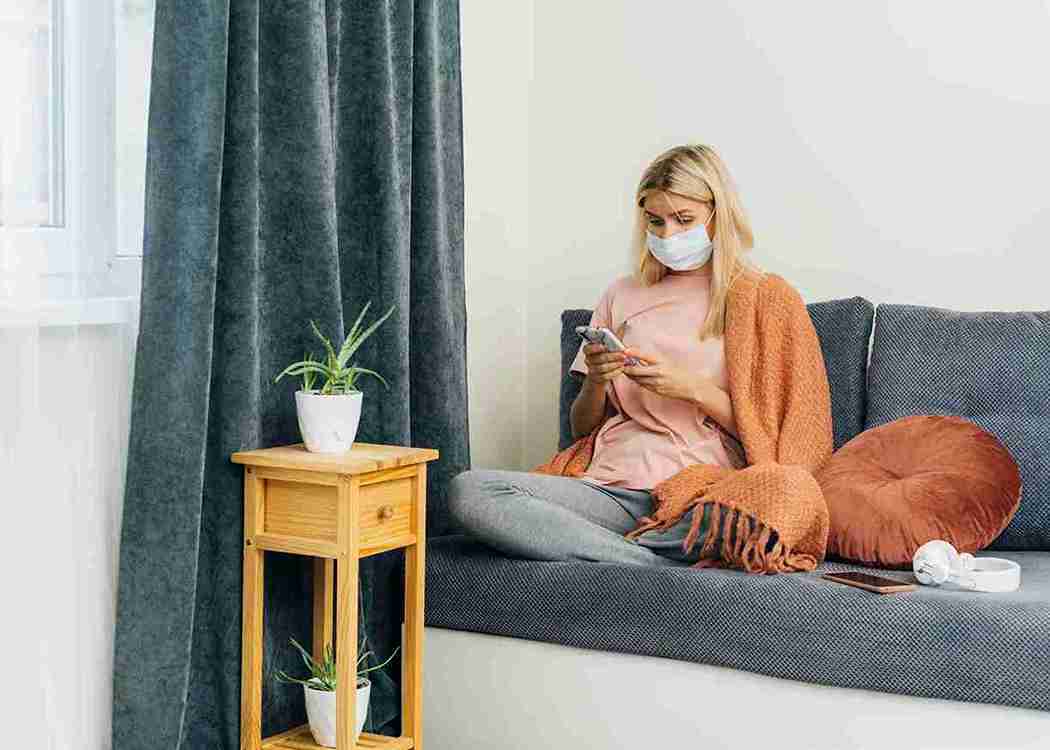
The postpartum period refers to the time following childbirth. Healthcare professionals usually consider the first six to eight weeks after delivery to be the time when the body begins to recover from pregnancy and return to its pre-pregnancy state. However, many physiological and emotional changes may persist beyond this period, often resulting in postpartum health problems like fatigue, heightened sensitivity, and a sense of imbalance among new mothers.
During the first few days after giving birth, you may notice several changes in your body.
● Your uterus begins to shrink back to its normal size, which can cause cramps and some bleeding.
● Rapid hormonal fluctuations may lead to symptoms such as hot flashes, headaches, or mood swings.
● The onset of lactation often results in breast swelling, tightness and soreness.
● Vaginal soreness is common, and minor perineal tears may occur after delivery.
● After a C-section, pain around the incision site may persist for several days.
● As your body releases excess fluid, swelling in the hands, feet, and face may continue for about a week.
● You may experience significant fatigue as your body heals and you adjust to caring for your baby.
These changes put extra stress on a new mom’s body. Low iron, weak immunity, poor sleep, and healing tissues can lower her natural defences. When the weather changes—whether it gets cold, hot, or humid—germs spread more easily, and joint and muscle pain can increase. As a result, new mothers are more likely to get sick, feel tired, and need more time to recover.
When the weather changes, temperature, humidity, and air quality can all shift. These changes make it easier for viruses, bacteria, and allergens to spread. Heat, rain, and cold can be especially hard on a body that is still recovering from childbirth. Because new mothers often have lower immunity and feel tired, they may notice these seasonal changes more and face a higher risk of infections, body aches, and slower recovery.
Heat, cold, rain and sudden weather shifts can affect a new mom’s health after pregnancy. Each season brings its own risks, so knowing what to expect helps spot problems early and protect postpartum recovery.

Winter is often a tough time for new mothers. The cold keeps them inside, away from fresh air and sunlight. This can cause low mood, tiredness, and feelings of loneliness. As their bodies heal, the cold and long days indoors can slow recovery and make discomfort feel worse.
Given below are some of the most common health issues that new mothers face during the winter months:
The common cold is caused by viruses that spread through the air when an infected person coughs, sneezes, or talks. It also spreads when you touch shared objects and then touch your nose, eyes, or mouth.
Symptoms
● Runny or blocked nose
● Sore or itchy throat
● Cough
● Sneezing
● Watery eyes
● Mild body aches
● Low fever
● Tiredness
Both the flu and the common cold can cause coughing and a runny nose, but they are caused by different viruses. The flu often makes you feel worse overall and affects your whole body. It spreads quickly through coughs, sneezes, close contact, or by touching things that have the virus on them. For new mothers, flu symptoms can be stronger and may last longer.
Symptoms
● Fatigue
● High temperature
● Headaches
● Muscle and body pain
● Sore throat
● Cough
● Blocked or runny nose
Postpartum depression can feel worse in cold, dark months. After birth, hormones drop, sleep is disrupted, and stress remains high. Less sunlight and fewer outdoor activities can lower mood and increase worry.
Symptoms
● Avoiding people or skipping social activities
● Losing interest in activities or hobbies you used to enjoy
● Having trouble focusing or remembering things
● Blaming yourself or having harsh thoughts about your parenting
● Feeling distant from your baby

Summer can be just as hard for new mothers. High heat and humidity lead to sweating, fluid loss and poor sleep. This can cause weakness, skin problems, and low energy. As the body heals after birth, hot weather can make discomfort and tiredness feel worse.
Given below are some of the most common health issues that new mothers face during the summer months:
Heat-related illness occurs when your body gets too hot and cannot cool down properly. After giving birth, new mothers lose fluids through sweating and breastfeeding, often feel tired and have a harder time controlling body temperature. This makes them more likely to have problems in hot weather, such as heat rash, heat cramps, heat exhaustion, or even heat stroke. These conditions can range from mild skin or muscle issues to serious overheating.
Symptoms
● Heavy sweating
● Feeling dizzy or lightheaded
● Weakness or tiredness
● Headache
● Muscle cramps
● Nausea
● Warm or flushed skin
Hay fever is a seasonal allergy caused by pollen from trees, grass, and weeds. These tiny particles float in the air during warm months and enter the nose and eyes. After childbirth, sleep and immunity often stay weak, which can make allergy symptoms feel stronger and last longer. Hay fever does not harm the baby, but it can affect breathing, sleep, and daily comfort, which makes recovery harder for new mothers.
Symptoms
● Frequent sneezing and/or cough
● Runny or blocked nose
● Itchy nose, mouth or throat
● Watery, red, itchy eyes
● Mucus dripping down the throat
● Dark or puffy skin under the eyes
● Extreme fatigue due to poor sleep
Monsoon brings a higher risk of diseases after pregnancy for new mothers. Rain, damp air, and sudden weather changes keep many people indoors and raise moisture in the air. This makes the body feel heavy and tired. Wet and humid conditions are ideal
One of the most common health issues that new mothers face during the monsoon months is due to mosquito-borne illnesses. Mosquitoes breed faster in warm, wet weather, which raises the risk of bites and infections. For new mothers, low immunity and ongoing fatigue make it harder for the body to fight these illnesses. What may feel mild for others can lead to longer recovery and more weakness after childbirth.
Symptoms
● Sudden fever
● Chills
● Headache
● Body and joint pain
● Extreme tiredness
● Nausea
● Skin rash

Seasonal changes can complicate postpartum recovery. The body needs time, rest and care as it heals through heat, cold and rain. Recognising early signs of illness and seeking support helps protect both mother and baby, promoting a smoother recovery.

Season changes stress a body that is still healing after childbirth. Hormone shifts, low iron, weak immunity, and poor sleep lower your defences. Cold, heat, rain, and humidity help germs spread and raise body and joint pain. This leads to more infections, tiredness, and slower recovery.
During winter, new mothers face a higher risk of common cold, flu, and postpartum depression.
● High fever, chills, or body pain that lasts ● Extreme tiredness or weakness ● Breathing trouble, severe cough, or chest pain ● Dizziness or fainting ● Heavy sweating with nausea
After birth, hormone levels drop fast. This leads to hot flashes, headaches, mood swings, and poor sleep. These changes weaken immunity and emotional balance. When seasons shift, this raises the risk of infections, tiredness, and postpartum depression.







 Best Gynecologists in Bellandur Best Gynecologists in Electronic City Best Gynecologists in HRBR LayoutBest Gynecologists in Jayanagar Best Gynecologists in Kanakapura RoadBest Gynecologists in Malleswaram Best Gynecologists in Nagarbhavi Best Gynecologists in Old Airport RoadBest Gynecologists in Sahakarnagar Best Gynecologists in Sarjapur RoadBest Gynecologists in ThanisandraBest Gynecologists in Varthur RoadBest Gynecologists in Whitefield Best Gynecologists in Industrial Area Phase IIBest Gynecologists in OMRBest Gynecologists in T NagarBest Gynecologists in New Industrial TownBest Gynecologists in IndirapuramBest Gynecologists in Golf Course RoadBest Gynecologists in Sector 14Best Gynecologists in Sector 47Best Gynecologists in Banjara HillsBest Gynecologists in GachibowliBest Gynecologists in Hitech CityBest Gynecologists in KompallyBest Gynecologists in Gomti NagarBest Gynecologists in MaladBest Gynecologists in NerulBest Gynecologists in VashiBest Gynecologists in Kailash ColonyBest Gynecologists in PatparganjBest Gynecologists in Punjabi BaghBest Gynecologists in VikaspuriBest Gynecologists in Gaur CityBest Gynecologists in Pari ChowkBest Gynecologists in Sector 51Best Gynecologists in Sector 5 Swastik ViharBest Gynecologists in Kalyani NagarBest Gynecologists in SB RoadBest Gynecologists in Pimple SaudagarBest Pediatricians in BellandurBest Pediatricians in Electronic CityBest Pediatricians in HRBR LayoutBest Pediatricians in JayanagarBest Pediatricians in Kanakapura RoadBest Pediatricians in MalleswaramBest Pediatricians in NagarbhaviBest Pediatricians in Old Airport RoadBest Pediatricians in SahakarnagarBest Pediatricians in Sarjapur RoadBest Pediatricians in ThanisandraBest Pediatricians in Varthur RoadBest Pediatricians in WhitefieldBest Pediatricians in Industrial Area Phase IIBest Pediatricians in OMRBest Pediatricians in T NagarBest Pediatricians in New Industrial TownshipBest Pediatricians in IndirapuramBest Pediatricians in Golf Course RoadBest Pediatricians in Sector 14Best Pediatricians in Sector 47Best Pediatricians in Hitech CityBest Pediatricians in Banjara HillsBest Pediatricians in GachibowliBest Pediatricians in KompallyBest Pediatricians in Gomti NagarBest Pediatricians in MaladBest Pediatricians in NerulBest Pediatricians in VashiBest Pediatricians in Kailash ColonyBest Pediatricians in PatparganjBest Pediatricians in Punjabi BaghBest Pediatricians in VikaspuriBest Pediatricians in Gaur CityBest Pediatricians in Pari ChowkBest Pediatricians in Sector 51Best Pediatricians in Sector 5 Swastik ViharBest Pediatricians in Kalyani NagarBest Pediatricians in SB RoadBest Pediatricians in Pimple Saudagar


