
A partial molar pregnancy is a rare pregnancy complication where abnormal placental tissue develops along with an abnormal fetus that cannot survive. This is caused by an error during fertilisation, leading to abnormal genetic material.
Having or being diagnosed with this condition can be very emotionally challenging. It is essential to handle this subject with care and understanding that many people experience grief, anxiety, or confusion during the time of diagnosis and treatment. Emotional support and professional advice are essential in the healing process.
Early diagnosis and monitoring are essential because sometimes the abnormal tissue may continue to grow if it is not completely treated. With proper treatment and monitoring, most people experience complete recovery and have healthy pregnancies in the future.

A partial molar pregnancy is a type of gestational trophoblastic disease that results from abnormal fertilisation. There is abnormal placental development and an abnormal fetus that is not viable. In a typical pregnancy, the embryo will have 46 chromosomes, with 23 from each parent. However, in a partial molar pregnancy, the embryo will have 69 chromosomes, which is usually due to fertilisation of a single egg by two sperm.
Difference from complete molar pregnancy:
Some fetal tissue is present but non-viable
No fetus is present, only abnormal placental tissue
The primary cause of a partial molar pregnancy is a genetic anomaly that occurs during conception.
The critical factors that contribute to the development of a partial molar pregnancy include:
It is essential to note that a partial molar pregnancy is not the result of lifestyle factors, diet, exercise, or any other activity that an individual engages in on a daily basis. It is a random occurrence that happens during conception.
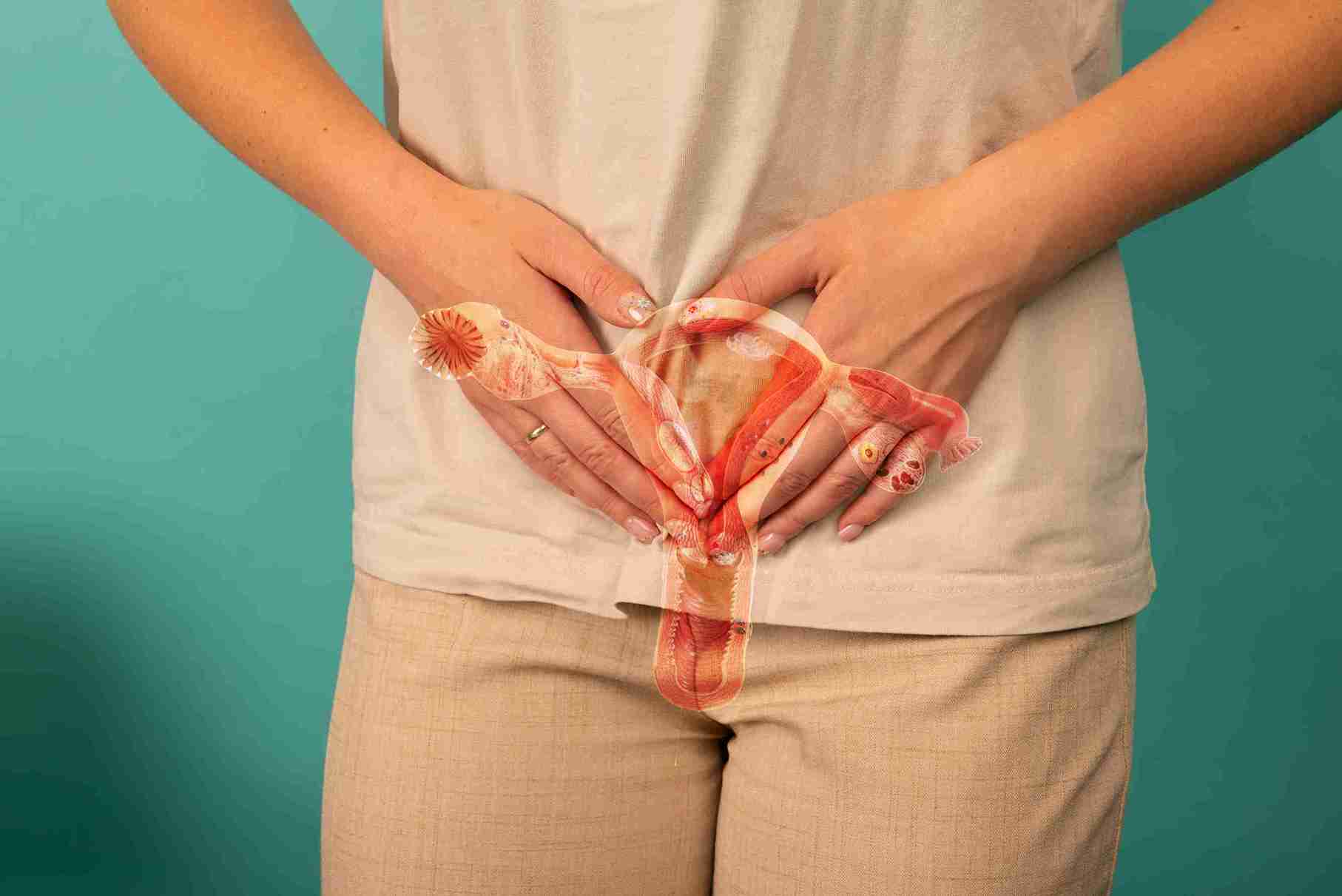
Partial molar pregnancy symptoms include:
The symptoms may be similar to those of a miscarriage or a typical pregnancy, which is why accurate testing is necessary for diagnosis.
Diagnosis is done through:
May reveal abnormal placenta, small baby, or low fluid levels.
Measure the level of hCG hormone, which may be higher than normal.
Confirmation of the condition is done after removing tissue for examination.

The management of partial molar pregnancy involves the removal of abnormal tissue and monitoring for recovery.
Primary management involves:
This is the main treatment that involves the removal of abnormal tissue from the uterus.
Monitoring of hCG levels is done after treatment for several months to ensure that all abnormal tissue has been removed.
Follow-up care is important as some tissue may remain in the uterus and continue to grow.
Treatment of partial molar pregnancy involves:
Recovery from partial molar pregnancy involves physical and emotional healing.

Monitoring of hCG levels is done for several months after treatment.
Pregnancy should be avoided for a period of 6-12 months to ensure proper monitoring.
Counselling and support groups may be helpful in dealing with the emotional trauma of the experience.
Most people can have healthy pregnancies in the future.

Go for urgent care if you experience:
Risk factors include:
Most of them cannot be prevented because they are caused by genetic fertilisation errors.
Cloudnine excels at high-risk pregnancy management by applying cutting-edge diagnostic tools, highly skilled fetal medicine experts, and a multidisciplinary approach to managing pregnancies. At Cloudnine, pregnancy care involves the timely detection of pregnancy-related issues, timely follow-up care, and guidance that helps overcome any emotional turmoil. Pregnancy care at Cloudnine involves highly skilled obstetricians and utilises cutting-edge technology that enables accurate diagnosis and helps ensure a safe recovery.
A partial molar pregnancy, though very rare, can be treated effectively when diagnosed properly and treated accordingly. With appropriate medical treatment for the management of partial molar pregnancy and emotional support, an individual can make a successful recovery with a possibility of having a healthy pregnancy in the future.

Want to consult the best gynecologists in India? Please find the links below.

No. The fetus isn't viable because it has genetic abnormalities.
Abnormal tissue can continue growing and may lead to complications or rare cancerous changes.
Through ultrasound, symptoms, and abnormal hCG levels confirmed by lab testing.
It may persist for some weeks, though it is not sustainable and must be treated.







 Best Gynecologists in Bellandur Best Gynecologists in Electronic City Best Gynecologists in HRBR LayoutBest Gynecologists in Jayanagar Best Gynecologists in Kanakapura RoadBest Gynecologists in Malleswaram Best Gynecologists in Nagarbhavi Best Gynecologists in Old Airport RoadBest Gynecologists in Sahakarnagar Best Gynecologists in Sarjapur RoadBest Gynecologists in ThanisandraBest Gynecologists in Varthur RoadBest Gynecologists in Whitefield Best Gynecologists in Industrial Area Phase IIBest Gynecologists in OMRBest Gynecologists in T NagarBest Gynecologists in New Industrial TownBest Gynecologists in IndirapuramBest Gynecologists in Golf Course RoadBest Gynecologists in Sector 14Best Gynecologists in Sector 47Best Gynecologists in Banjara HillsBest Gynecologists in GachibowliBest Gynecologists in Hitech CityBest Gynecologists in KompallyBest Gynecologists in Gomti NagarBest Gynecologists in MaladBest Gynecologists in NerulBest Gynecologists in VashiBest Gynecologists in Kailash ColonyBest Gynecologists in PatparganjBest Gynecologists in Punjabi BaghBest Gynecologists in VikaspuriBest Gynecologists in Gaur CityBest Gynecologists in Pari ChowkBest Gynecologists in Sector 51Best Gynecologists in Sector 5 Swastik ViharBest Gynecologists in Kalyani NagarBest Gynecologists in SB RoadBest Gynecologists in Pimple SaudagarBest Pediatricians in BellandurBest Pediatricians in Electronic CityBest Pediatricians in HRBR LayoutBest Pediatricians in JayanagarBest Pediatricians in Kanakapura RoadBest Pediatricians in MalleswaramBest Pediatricians in NagarbhaviBest Pediatricians in Old Airport RoadBest Pediatricians in SahakarnagarBest Pediatricians in Sarjapur RoadBest Pediatricians in ThanisandraBest Pediatricians in Varthur RoadBest Pediatricians in WhitefieldBest Pediatricians in Industrial Area Phase IIBest Pediatricians in OMRBest Pediatricians in T NagarBest Pediatricians in New Industrial TownshipBest Pediatricians in IndirapuramBest Pediatricians in Golf Course RoadBest Pediatricians in Sector 14Best Pediatricians in Sector 47Best Pediatricians in Hitech CityBest Pediatricians in Banjara HillsBest Pediatricians in GachibowliBest Pediatricians in KompallyBest Pediatricians in Gomti NagarBest Pediatricians in MaladBest Pediatricians in NerulBest Pediatricians in VashiBest Pediatricians in Kailash ColonyBest Pediatricians in PatparganjBest Pediatricians in Punjabi BaghBest Pediatricians in VikaspuriBest Pediatricians in Gaur CityBest Pediatricians in Pari ChowkBest Pediatricians in Sector 51Best Pediatricians in Sector 5 Swastik ViharBest Pediatricians in Kalyani NagarBest Pediatricians in SB RoadBest Pediatricians in Pimple Saudagar


