





You are pregnant, and suddenly everyone, including your mother, mother-in-law, neighbour, and even the woman at the vegetable market, begins doling out advice on what you should and shouldn't eat now! "Don't touch papaya!" "No seafood!" "Give up your morning chai!" The list of pregnancy food myths seems endless, and it can leave you confused, anxious and overthinking every meal.
In Indian cultures, where there are strong food traditions and high family involvement during pregnancy, nutrition myths often spread rapidly. But what does science say about it? Let's separate the facts from the fiction and help you build a healthy pregnancy diet.

This is perhaps the most common misconception. Your grandmother might urge you to eat double portions, but science says otherwise. During pregnancy, you only need about 300-350 extra calories per day, which is roughly the equivalent of a banana with peanut butter or a bowl of dal with rice. Not an extra meal in itself. Too much of it may cause too much weight gain, diabetes, and complications during delivery. It’s quality, not quantity. A well-balanced meal, including grains, proteins, veggies, fruits, and fat, will provide the baby with the required nutrients without harming the mother’s health.
"Don't eat papaya - it will cause miscarriage!" This is one of the most widespread pregnancy food myths. The truth? Ripe papaya is perfectly safe and good for you during pregnancy. Unripe or semi-ripe papaya has a high latex content. This latex in high amounts may cause uterine contractions. But ripe papaya has very low latex content and is rich in vitamins A and C, folate, and fibre.
How to tell if a papaya is ripe? The skin should be mostly yellow or orange, and the flesh should be soft and sweet. If the papaya is green, hard, and has white latex oozing from cuts, avoid it. Otherwise, enjoy ripe papaya as part of your diet.
Many women completely avoid fish during pregnancy, fearing mercury poisoning. This fear causes them to miss out on omega-3 fatty acids that are important for their baby's brain and eye development.
The scientific facts about pregnancy diets say, “Don't avoid seafood; instead, choose wisely.” Some fish contain high levels of mercury and should be avoided. Small fish generally contain lower levels of mercury than the bigger fish.
Avoid these high-mercury fish:
Safe fish to eat (2-3 servings weekly):
Aim for 225-340 grams of low-mercury fish per week. Just make sure all seafood is fully cooked - no sushi or raw preparations. Cooking kills harmful bacteria that could make you sick during pregnancy.
Must you give up your morning tea or coffee completely? No! This is another common myth. You can have caffeine during pregnancy, just in moderation. Medical guidelines state pregnant women can safely consume up to 200 mg of caffeine daily. That's roughly:
Remember, caffeine is also in soft drinks, chocolate, and energy drinks. Add up your total intake to stay within limits. Excessive caffeine (over 200 mg daily) has been linked to low birth weight and increased miscarriage risk, but moderate amounts are fine.
If you are sensitive to caffeine or if it disrupts your sleep, it is wise to cut back further. But you don't need to quit entirely unless you want to.
Some families believe pregnant women shouldn't eat eggs. This myth has no scientific basis. Eggs are actually one of the best foods for pregnancy. One egg provides high-quality protein, choline (important for the baby's brain development), vitamin D, and other nutrients, all for about 70 calories. The key is cooking them properly. Avoid raw or runny eggs, which can carry Salmonella bacteria. Fully cooked eggs are completely safe and beneficial. If you are a vegetarian and don't eat eggs, ensure you are getting enough protein from dals, paneer, tofu, nuts, and seeds.
Whilst many food fears are myths, some foods genuinely pose risks. Here's what not to eat during pregnancy:
Raw or undercooked foods:

Unpasteurised dairy:
Processed meats:
High-mercury fish
Alcohol: No amount is considered safe during pregnancy.
Unwashed Fruits and Vegetables:
Wash all your fruits and vegetables properly to remove any pesticides or bacteria.
Rather than focusing on the myths, you can build a healthy pregnancy diet with the following foods:
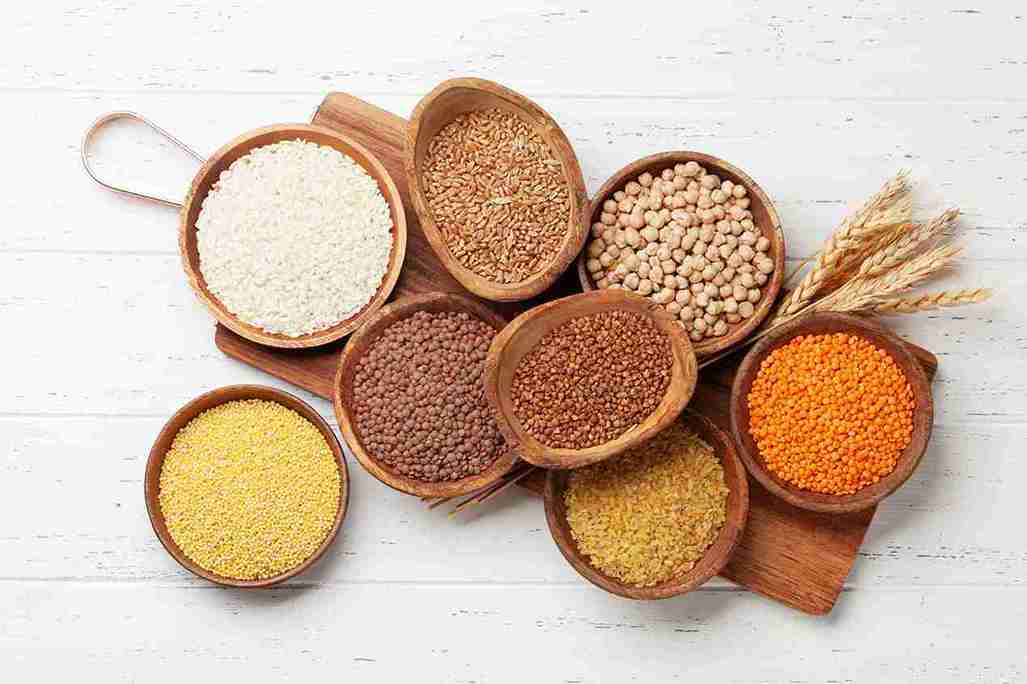
Eat a variety of colourful vegetables and fruits. Drink plenty of water. Take your prenatal vitamins as recommended.

Your pregnancy cravings are real and can be explained by the change in taste preferences and hormones. Craving ice cream or pani puri doesn't mean your baby "needs" it. It's fine to indulge occasionally, but don't use pregnancy as an excuse to eat unlimited sweets or fried foods. If you crave non-food items like ice, chalk, or dirt (a condition called pica), tell your doctor, as it might indicate iron deficiency.
Your body knows how to grow a healthy baby. Not all advice from well-meaning relatives needs to be followed—trust science, listen to your body, and consult your doctor if in doubt. Most pregnancy food myths stem from overcaution or cultural traditions that are not necessarily evidence-based. Ripe papaya does not cause miscarriage. Moderate caffeine won't harm your baby. Low-mercury fish are beneficial, not dangerous. Eggs are nutritious, not harmful.
Focus on eating a balanced, varied diet. Cook food properly and avoid raw foods. Wash fresh produce thoroughly. Avoid genuinely risky foods like raw meat, unpasteurised dairy, and high-mercury fish. So sit back, relax and enjoy your meals. Pregnancy is challenging enough without unnecessary food anxiety. Arm yourself with facts, not fears, and you will nourish both yourself and your baby.

Want to consult the best gynecologists in India? Please find the links below.

Yes, pregnant women can safely eat ripe papaya. Ripe papaya is rich in vitamins A and C, folate, and fibre. The concern is about consuming unripe (green) or semi-ripe papaya, which contains high levels of latex that might trigger contractions when consumed in large amounts. Ripe papaya has very low latex content and is perfectly safe. Look for yellow or orange skin and sweet, soft flesh. Avoid green, hard papaya with white latex. Include ripe papaya as part of a balanced diet during pregnancy.
No, seafood shouldn't be completely avoided during pregnancy. Fish provides omega-3 fatty acids important for the baby's brain and eye development. Pregnant women can safely eat 225-340 grams weekly of low-mercury fish like pomfret, rohu, sardines, salmon, and prawns. Avoid high-mercury fish like king mackerel, shark, swordfish, and bigeye tuna. Always cook seafood thoroughly, and avoid raw sushi or undercooked preparations. Low-mercury seafood is beneficial, not dangerous, when properly prepared.
No, caffeine isn't completely banned during pregnancy. Medical guidelines allow up to 200 mg of caffeine daily, roughly equivalent to 2 cups of chai or 1 cup of filter coffee. Moderate caffeine consumption is safe. Excessive amounts (over 200 mg daily) have been linked to low birth weight and increased miscarriage risk, but moderate intake poses no harm. Remember, caffeine is also in chocolate, soft drinks, and tea. Track your total daily intake to stay within safe limits.
No, pregnant women should not avoid eggs. Eggs are one of the best pregnancy foods, providing high-quality protein, choline (for the baby's brain development), vitamin D, and other nutrients. One egg has only 70 calories but packs substantial nutrition. The key is cooking eggs properly. Avoid raw or runny eggs, which can carry salmonella. Fully cooked eggs - boiled, scrambled, or in cooked dishes are completely safe and highly beneficial during pregnancy. Include them regularly in your diet.


 Best Gynecologists in Bellandur Best Gynecologists in Electronic City Best Gynecologists in HRBR LayoutBest Gynecologists in Jayanagar Best Gynecologists in Kanakapura RoadBest Gynecologists in Malleswaram Best Gynecologists in Nagarbhavi Best Gynecologists in Old Airport RoadBest Gynecologists in Sahakarnagar Best Gynecologists in Sarjapur RoadBest Gynecologists in ThanisandraBest Gynecologists in Varthur RoadBest Gynecologists in Whitefield Best Gynecologists in Industrial Area Phase IIBest Gynecologists in OMRBest Gynecologists in T NagarBest Gynecologists in New Industrial TownBest Gynecologists in IndirapuramBest Gynecologists in Golf Course RoadBest Gynecologists in Sector 14Best Gynecologists in Sector 47Best Gynecologists in Banjara HillsBest Gynecologists in GachibowliBest Gynecologists in Hitech CityBest Gynecologists in KompallyBest Gynecologists in Gomti NagarBest Gynecologists in MaladBest Gynecologists in NerulBest Gynecologists in VashiBest Gynecologists in Kailash ColonyBest Gynecologists in PatparganjBest Gynecologists in Punjabi BaghBest Gynecologists in VikaspuriBest Gynecologists in Gaur CityBest Gynecologists in Pari ChowkBest Gynecologists in Sector 51Best Gynecologists in Sector 5 Swastik ViharBest Gynecologists in Kalyani NagarBest Gynecologists in SB RoadBest Gynecologists in Pimple SaudagarBest Pediatricians in BellandurBest Pediatricians in Electronic CityBest Pediatricians in HRBR LayoutBest Pediatricians in JayanagarBest Pediatricians in Kanakapura RoadBest Pediatricians in MalleswaramBest Pediatricians in NagarbhaviBest Pediatricians in Old Airport RoadBest Pediatricians in SahakarnagarBest Pediatricians in Sarjapur RoadBest Pediatricians in ThanisandraBest Pediatricians in Varthur RoadBest Pediatricians in WhitefieldBest Pediatricians in Industrial Area Phase IIBest Pediatricians in OMRBest Pediatricians in T NagarBest Pediatricians in New Industrial TownshipBest Pediatricians in IndirapuramBest Pediatricians in Golf Course RoadBest Pediatricians in Sector 14Best Pediatricians in Sector 47Best Pediatricians in Hitech CityBest Pediatricians in Banjara HillsBest Pediatricians in GachibowliBest Pediatricians in KompallyBest Pediatricians in Gomti NagarBest Pediatricians in MaladBest Pediatricians in NerulBest Pediatricians in VashiBest Pediatricians in Kailash ColonyBest Pediatricians in PatparganjBest Pediatricians in Punjabi BaghBest Pediatricians in VikaspuriBest Pediatricians in Gaur CityBest Pediatricians in Pari ChowkBest Pediatricians in Sector 51Best Pediatricians in Sector 5 Swastik ViharBest Pediatricians in Kalyani NagarBest Pediatricians in SB RoadBest Pediatricians in Pimple Saudagar


