





Pregnancy brings many changes to the body. Some changes during pregnancy are expected, but others can be concerning. Vaginal itching is one such issue. It can show up suddenly and cause both discomfort and worry. Many pregnant women experience this at some point. As with any health concern, a common question comes up: Can vaginal itching affect the baby?
It’s natural for expectant moms to worry about the baby growing within their womb. To ease their tension, this article deals with all relevant aspects of vaginal itching during pregnancy, including any potential impact on the health of the unborn child.
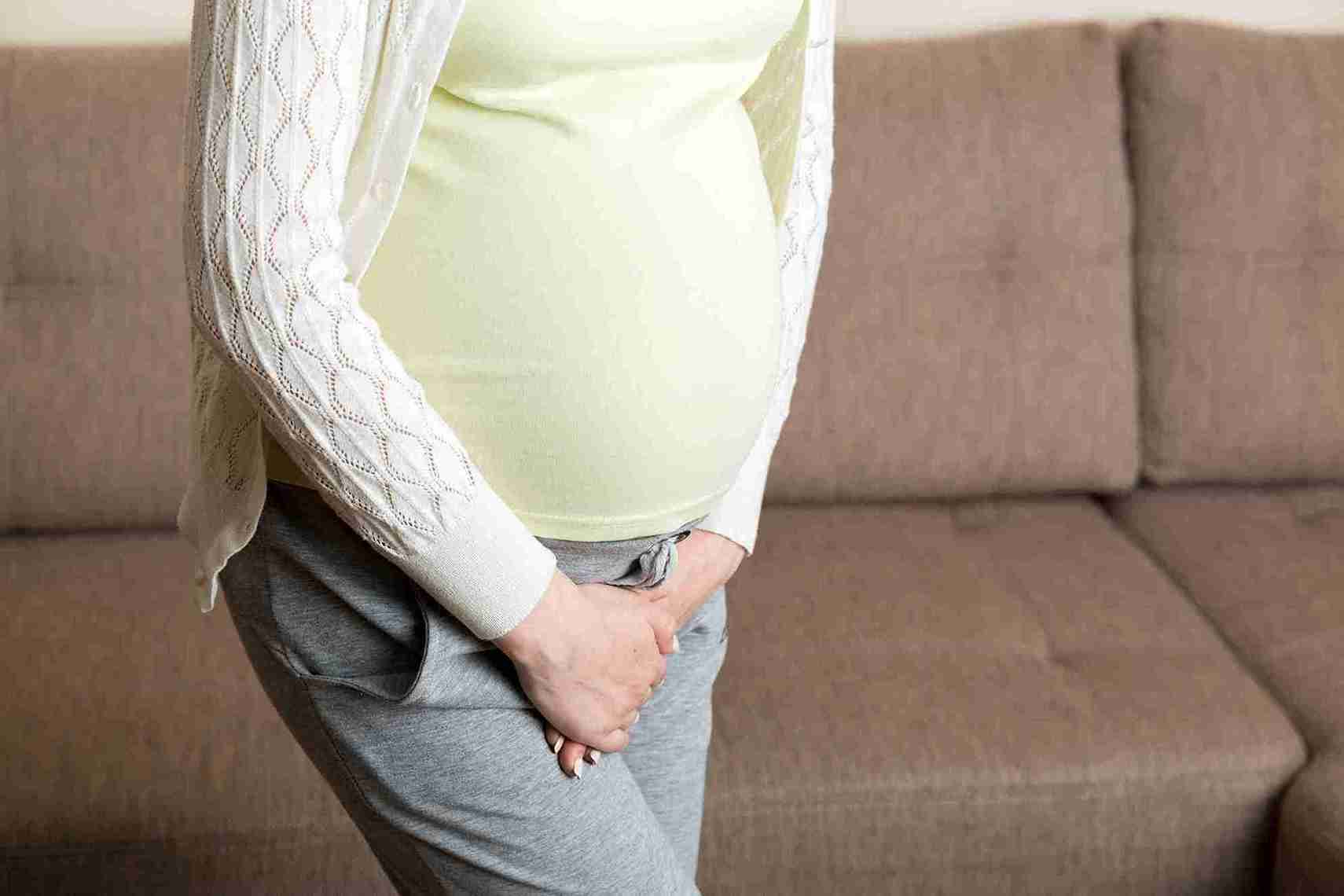
Vaginal itching is an unpleasant sensation whereby you feel irritation or soreness in or around the vagina and have a strong urge to scratch. Before looking at how it affects the baby, it helps to understand its symptoms and common causes during pregnancy.
Vaginal itching can show up in different ways during pregnancy. Some signs feel mild, while others feel hard to ignore. These symptoms often affect daily comfort and peace of mind. Noticing what your body feels helps you decide when to seek care.
These are the common symptoms to watch for:
● Itching or burning inside the vagina
● Itching, soreness, or irritation around the vulva
● Pain or discomfort at the vaginal opening
● Stinging or pain while passing urine
● Discomfort or itching after sex
● Changes in the amount or consistency of vaginal discharge
Vaginal itching during pregnancy does not happen for one reason alone. Body changes, infections and daily habits all play a role. Given below are some of the reasons why pregnant women may experience vaginal irritation:
Pregnancy hormones affect the skin and vaginal lining. This often leads to dryness, sensitivity, mild rashes, and itching.
A yeast infection during pregnancy results from the overgrowth of the fungus Candida. This often occurs in the second and third trimesters. It usually causes itching and irritation, but it does not usually harm the baby.
This occurs when healthy vaginal bacteria lose balance. It leads to itching, irritation, and abnormal discharge. If untreated, it raises the risk of early birth and low birth weight.
Infections such as herpes, chlamydia, gonorrhoea, and trichomoniasis can irritate vaginal tissue. Treatment for such vaginal infections during pregnancy is important because these infections can pass to the baby.
This type of bacteria is present in many pregnant women without symptoms. It can pass to the baby during delivery. Testing near the end of pregnancy helps prevent problems.
As the body prepares for breastfeeding, estrogen levels drop. This change dries the vaginal lining, leading to itching or discomfort.
Some allergy and mental health medicines reduce natural moisture. This dryness leads to irritation and itching. Also, at times, soaps and other products may trigger an allergic reaction that causes itching.
During pregnancy, pubic hair often becomes thicker and longer. Tight clothes rub against this area. This rubbing irritates the skin and can lead to itching.
Cholestasis of pregnancy is a liver condition that may cause vaginal itching. It usually appears in the later months of pregnancy. The itching often starts on the hands and feet and can spread to other areas, including the vagina. If not treated, it can raise the risk of early birth, fetal distress, or stillbirth.

Vaginal itching by itself does not harm the baby. It is typically caused by normal body changes, dryness, or mild infections limited to the vaginal area. Although these conditions may cause discomfort for the mother, they do not affect the womb or the baby.
Identifying the underlying cause of itching is essential. Infections such as bacterial vaginosis, sexually transmitted infections, or Group B streptococcus can be transmitted to the baby. If untreated, these conditions increase the risk of preterm birth, low birth weight, breathing difficulties, or newborn infection.
In rare cases, conditions like intrahepatic cholestasis of pregnancy cause severe itching. This can be risky for the baby, so it is important to get medical care right away.
Getting checked when itching lasts, worsens, or is accompanied by unusual discharge helps protect both mother and baby.
Vaginal itching during pregnancy often settles with simple care. Still, any symptom that feels strong or lasts needs a doctor’s advice. The right treatment depends on the cause.
Doctors often suggest antifungal creams or vaginal tablets. These treat the infection safely..
A baking soda bath or a soft compress can calm itching. Cool water also helps reduce discomfort.
Soaps, wipes, or sprays sometimes cause irritation. Stopping these and using mild, unscented products gives relief. Avoid aggressive cleaning of vaginal area repeatedly with soaps, keep area dry and ventilated.
Doctors treat these with antibiotics. This clears the infection and protects the baby.
Anti-itch creams like corticosteroids can reduce swelling and relieve itching. Use them only if your doctor has prescribed them.
Doctors closely monitor the mother and give medicines that improve bile flow and reduce the risk to the baby.
You can’t always prevent vaginal itching, but small daily habits can lower your risk. These easy steps help keep the area healthy and comfortable.
Choose cotton underwear. It allows air flow and reduces moisture buildup.
Tight pants and innerwear cause friction and trap sweat. Loose clothes feel better for sensitive skin.
Avoid using scented soaps, sprays, and wipes. Choose mild, fragrance-free products to help keep your natural pH balance healthy.
The vaginal area should always be kept dry and clean. Use plain water or mild cleansers. Gently pat the area dry after bathing to prevent moisture buildup. Change out of wet clothes soon after exercise or swimming because damp fabric allows germs to grow.
Douching can upset the natural balance of the vagina and may cause irritation.
Slow breathing and prenatal yoga help you feel calm in body and mind. Lower stress keeps your hormones balanced, which can reduce skin and vaginal itching.

Many expectant moms have vaginal itching during pregnancy. Although it can be uncomfortable, most cases are mild and simple to treat. If you notice any changes, it’s a good idea to get them checked early to help keep you and your baby safe.

Many pregnant women experience vaginal itching.
Some infections linked to itching, such as bacterial vaginosis, STIs, or cholestasis, raise the risk of preterm birth.
Vaginal itching during pregnancy may be caused by hormone changes, yeast infections, bacterial vaginosis, sexually transmitted infections, Group B streptococcus, low estrogen, medicines, skin reactions to products, tight clothing, and rare liver conditions like cholestasis.
Vaginal itching in early pregnancy is often mild and comes from things like yeast or hormone changes. These are easy to treat. Still, it is best to see a doctor or midwife. Some infections need care and can cause problems if left untreated.


 Best Gynecologists in Bellandur Best Gynecologists in Electronic City Best Gynecologists in HRBR LayoutBest Gynecologists in Jayanagar Best Gynecologists in Kanakapura RoadBest Gynecologists in Malleswaram Best Gynecologists in Nagarbhavi Best Gynecologists in Old Airport RoadBest Gynecologists in Sahakarnagar Best Gynecologists in Sarjapur RoadBest Gynecologists in ThanisandraBest Gynecologists in Varthur RoadBest Gynecologists in Whitefield Best Gynecologists in Industrial Area Phase IIBest Gynecologists in OMRBest Gynecologists in T NagarBest Gynecologists in New Industrial TownBest Gynecologists in IndirapuramBest Gynecologists in Golf Course RoadBest Gynecologists in Sector 14Best Gynecologists in Sector 47Best Gynecologists in Banjara HillsBest Gynecologists in GachibowliBest Gynecologists in Hitech CityBest Gynecologists in KompallyBest Gynecologists in Gomti NagarBest Gynecologists in MaladBest Gynecologists in NerulBest Gynecologists in VashiBest Gynecologists in Kailash ColonyBest Gynecologists in PatparganjBest Gynecologists in Punjabi BaghBest Gynecologists in VikaspuriBest Gynecologists in Gaur CityBest Gynecologists in Pari ChowkBest Gynecologists in Sector 51Best Gynecologists in Sector 5 Swastik ViharBest Gynecologists in Kalyani NagarBest Gynecologists in SB RoadBest Gynecologists in Pimple SaudagarBest Pediatricians in BellandurBest Pediatricians in Electronic CityBest Pediatricians in HRBR LayoutBest Pediatricians in JayanagarBest Pediatricians in Kanakapura RoadBest Pediatricians in MalleswaramBest Pediatricians in NagarbhaviBest Pediatricians in Old Airport RoadBest Pediatricians in SahakarnagarBest Pediatricians in Sarjapur RoadBest Pediatricians in ThanisandraBest Pediatricians in Varthur RoadBest Pediatricians in WhitefieldBest Pediatricians in Industrial Area Phase IIBest Pediatricians in OMRBest Pediatricians in T NagarBest Pediatricians in New Industrial TownshipBest Pediatricians in IndirapuramBest Pediatricians in Golf Course RoadBest Pediatricians in Sector 14Best Pediatricians in Sector 47Best Pediatricians in Hitech CityBest Pediatricians in Banjara HillsBest Pediatricians in GachibowliBest Pediatricians in KompallyBest Pediatricians in Gomti NagarBest Pediatricians in MaladBest Pediatricians in NerulBest Pediatricians in VashiBest Pediatricians in Kailash ColonyBest Pediatricians in PatparganjBest Pediatricians in Punjabi BaghBest Pediatricians in VikaspuriBest Pediatricians in Gaur CityBest Pediatricians in Pari ChowkBest Pediatricians in Sector 51Best Pediatricians in Sector 5 Swastik ViharBest Pediatricians in Kalyani NagarBest Pediatricians in SB RoadBest Pediatricians in Pimple Saudagar


