


Hypertension in pregnancy is a common health complication that many women face. When a pregnant woman’s blood pressure is too high, there are a few things she should do and avoid doing during pregnancy for her and her baby’s benefit. Knowing what is right and what is not safe in such conditions can help prevent further complications.
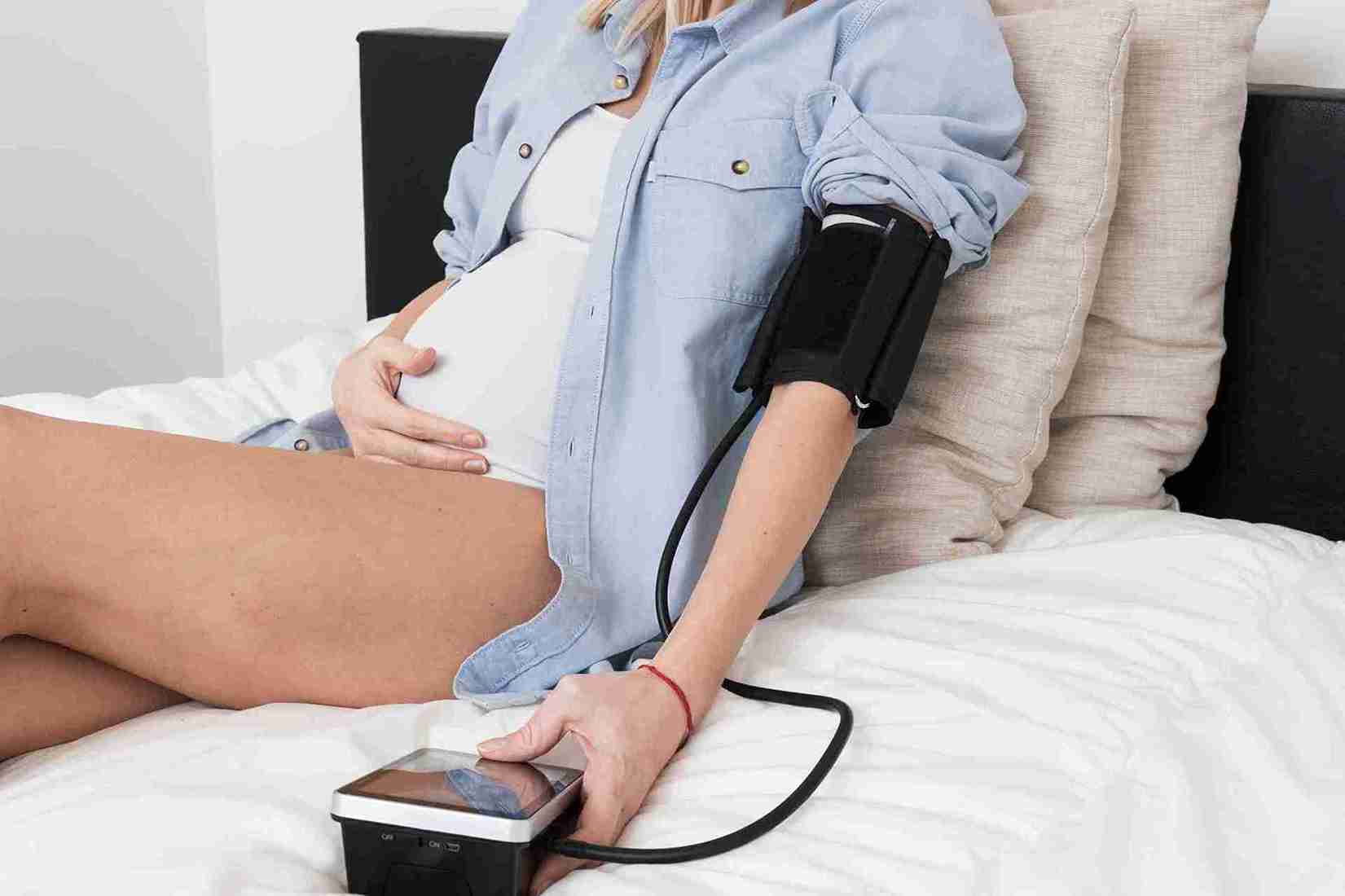
Hypertension in pregnancy refers to a blood pressure reading of 140/90 or more in the second half of pregnancy (after 20 weeks). During pregnancy, it is common for the expecting mother’s blood pressure to be slightly elevated above her normal average. When the reading is consistently over 140/90 after the 20th week, it is referred to as gestational hypertension.
Pregnancy-induced hypertension is a common health complication during pregnancy, but it can be controlled effectively without letting it affect the pregnancy or the baby. Gestational hypertension differs from regular hypertension, as it develops only in the second half of the pregnancy.
Most health care providers will check the expecting mother’s blood pressure at every prenatal visit. Tracking the blood pressure, knowing how much it is increasing or decreasing during pregnancy, can help understand the blood pressure pattern. Very high or very low blood pressure during the delivery can cause complications. Knowing about it beforehand helps doctors take the necessary precautions and prevent it from impacting the mother or baby.
High blood pressure during pregnancy is not limited to gestational hypertension. The other types of hypertension that can affect a pregnant woman are –
● Chronic Hypertension – When the blood pressure is high from the early days of pregnancy or even before pregnancy. This hypertension is bound to continue even after the baby’s delivery. If left unchecked, it can lead to preeclampsia – a serious complication in pregnancy.
● Preeclampsia – This type of hypertension is also common only in the second half of the pregnancy. It is characterised by high blood pressure and the presence of protein in the urine. If left unchecked, preeclampsia can start affecting the mother’s kidneys and other organs like the liver, lungs, brain, or even the placenta.
If you are wondering why everyone worries about a little extra blood pressure during pregnancy, here are a few risks associated with hypertension in pregnancy –
● Leads to preeclampsia, which can lead to organ damage if not treated in time.
● Can increase the intracranial bleeding, leading to neurological complications.
● Increases the risk of stroke, seizures, liver problems, and temporary kidney-related issues.
● May require a C-section delivery due to the complications caused by the high pressure.
● Can prevent the placenta from developing properly, thus affecting the oxygen and nutrients reaching the baby
● Intrauterine growth restrictions, low birth weight, or premature birth
● Increases the risk of labour induction to reduce the impact of complications mentioned above, or if the baby is in danger.
● If left unnoticed, very high blood pressure can even lead to stillbirth.

If you are suffering from hypertension in pregnancy, here is what you should do –
1. If your blood pressure reading is consistently high even after a few hours, seek medical attention immediately.
2. If you are on medications for hypertension, ensure you take them as prescribed. – dosage, frequency, and timing.
3. Follow a balanced diet with sufficient quantities of fibre, protein, and essential nutrients.
4. Focus on quality sleep every night. Your body needs rest to handle the extra demands on the body.
5. Invest in a blood pressure reading machine and monitor your levels regularly at home. Especially when you experience any symptoms.
6. Pay close attention to the symptoms and listen to your body. If you notice anything concerning, seek medical attention immediately.
7. Drink plenty of water during the day, as it helps flush out the salt in the blood.
8. Exercise regularly. Moderate exercises with a doctor’s approval or just walking on flat surfaces in the case of limitations on physical activities.
9. Engage in activities that can help reduce your stress, blood pressure, and restore calmness. Yoga, meditation, breathing techniques, and art are pregnancy-safe, simple activities that can help reduce blood pressure.
10. Discuss with your doctor and finalise on a delivery plan to avoid any last-minute surprises or confusion in case the pressure reaches dangerous levels.
Here is what a woman suffering from hypertension in pregnancy should not do –
1. Never skip a doctor’s appointment, even if you have no new symptoms or concerns regarding your blood pressure.
2. Don’t ignore the warning signs. Even if they are mild, pay close attention and alert your doctor if you experience any signs or symptoms again.
3. Don’t self-medicate or change your medication dosage without consulting your doctor.
4. Do not start on a new low or no-salt diet to reduce blood pressure. A sudden drop in levels can lead to complications.
5. Reduce consumption of highly processed foods, foods high in salt and fat.
6. Avoid standing for too long. If your work demands it, take frequent breaks to sit every few minutes.
7. Do not follow random tips or ideas to reduce blood pressure quickly. A sudden drop in blood pressure can make you feel lightheaded or dizzy, and it is not safe during pregnancy.
8. Do not engage in strenuous activities or extreme exercises.
9. Do not let stress get to you. Trying to do too much before the baby’s arrival can add undue stress and increase your pressure.
10. Do not ignore changes in the baby’s movements. If your baby’s movements decrease, it requires immediate medical attention.

Hypertension in pregnancy is not uncommon and can mostly be controlled with lifestyle changes, close monitoring, and medications if the blood pressure is too high. Pay close attention to your body to address any changes or symptoms at the earliest.

Uncontrolled hypertension refers to very high blood pressure in an expecting mother that refuses to reduce despite taking measures or medications. It is a high-risk condition that requires immediate medical attention to prevent severe complications in both mother and baby.
Very high blood pressure when not controlled can lead to severe complications like a stroke, organ damage, seizures, or preeclampsia in the mother. It can be dangerous to the developing baby as it increases the risk of preterm birth, low birth weight, intrauterine growth restriction, and placental abruption.
A blood pressure reading of 140/90 mmHg or higher is considered high blood pressure, and if it is more than 160/110 mmHg, it requires immediate medical attention. Some warning signs to note are severe headaches, disturbance in vision, pain in the shoulder or upper abdomen, or sudden swelling of the face or hands.
The first step is to let your gynaecologist know about the readings and consult a specialist if necessary to help you bring the blood pressure to normal levels. You may need pregnancy-safe medication for immediate control, after which you have to maintain the blood pressure through changes in the diet, increasing exercise, limiting salt consumption, and effective stress management.


 Best Gynecologists in Bellandur Best Gynecologists in Electronic City Best Gynecologists in HRBR LayoutBest Gynecologists in Jayanagar Best Gynecologists in Kanakapura RoadBest Gynecologists in Malleswaram Best Gynecologists in Nagarbhavi Best Gynecologists in Old Airport RoadBest Gynecologists in Sahakarnagar Best Gynecologists in Sarjapur RoadBest Gynecologists in ThanisandraBest Gynecologists in Varthur RoadBest Gynecologists in Whitefield Best Gynecologists in Industrial Area Phase IIBest Gynecologists in OMRBest Gynecologists in T NagarBest Gynecologists in New Industrial TownBest Gynecologists in IndirapuramBest Gynecologists in Golf Course RoadBest Gynecologists in Sector 14Best Gynecologists in Sector 47Best Gynecologists in Banjara HillsBest Gynecologists in GachibowliBest Gynecologists in Hitech CityBest Gynecologists in KompallyBest Gynecologists in Gomti NagarBest Gynecologists in MaladBest Gynecologists in NerulBest Gynecologists in VashiBest Gynecologists in Kailash ColonyBest Gynecologists in PatparganjBest Gynecologists in Punjabi BaghBest Gynecologists in VikaspuriBest Gynecologists in Gaur CityBest Gynecologists in Pari ChowkBest Gynecologists in Sector 51Best Gynecologists in Sector 5 Swastik ViharBest Gynecologists in Kalyani NagarBest Gynecologists in SB RoadBest Gynecologists in Pimple SaudagarBest Pediatricians in BellandurBest Pediatricians in Electronic CityBest Pediatricians in HRBR LayoutBest Pediatricians in JayanagarBest Pediatricians in Kanakapura RoadBest Pediatricians in MalleswaramBest Pediatricians in NagarbhaviBest Pediatricians in Old Airport RoadBest Pediatricians in SahakarnagarBest Pediatricians in Sarjapur RoadBest Pediatricians in ThanisandraBest Pediatricians in Varthur RoadBest Pediatricians in WhitefieldBest Pediatricians in Industrial Area Phase IIBest Pediatricians in OMRBest Pediatricians in T NagarBest Pediatricians in New Industrial TownshipBest Pediatricians in IndirapuramBest Pediatricians in Golf Course RoadBest Pediatricians in Sector 14Best Pediatricians in Sector 47Best Pediatricians in Hitech CityBest Pediatricians in Banjara HillsBest Pediatricians in GachibowliBest Pediatricians in KompallyBest Pediatricians in Gomti NagarBest Pediatricians in MaladBest Pediatricians in NerulBest Pediatricians in VashiBest Pediatricians in Kailash ColonyBest Pediatricians in PatparganjBest Pediatricians in Punjabi BaghBest Pediatricians in VikaspuriBest Pediatricians in Gaur CityBest Pediatricians in Pari ChowkBest Pediatricians in Sector 51Best Pediatricians in Sector 5 Swastik ViharBest Pediatricians in Kalyani NagarBest Pediatricians in SB RoadBest Pediatricians in Pimple Saudagar